What Sub-250g Means and Why It Matters for Drone Pilots
Published How we research
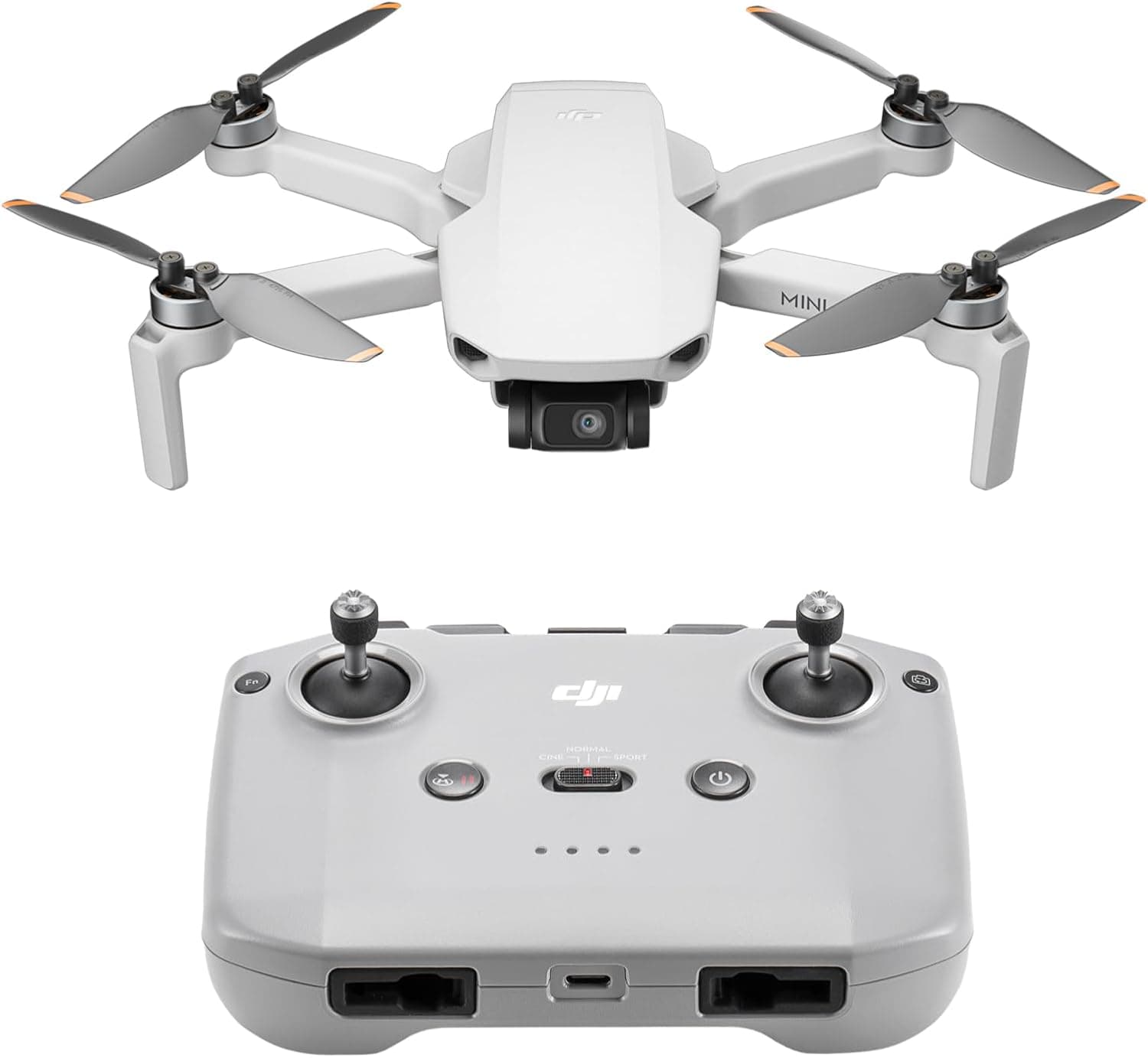
You will see the phrase sub-250g everywhere in the drone world, and there is a good reason for its popularity. Many aviation authorities use 250 grams as a regulatory threshold, treating drones below that weight with lighter requirements than heavier aircraft. The number is not arbitrary; it reflects the reduced risk that a very light drone poses if it falls or collides with a person. Knowing what this class means helps you understand why so many drones are engineered to land just under it.
Products from this article
The highest-scoring picks from the buying guides this article links to. Scores are our editorial assessment, not customer ratings.
+ DJI's 3-Axis gimbal delivers smooth, level footage that budget camera drones struggle to match
From our guide: Best Sub-250g Drones for Lighter Rules (2026)
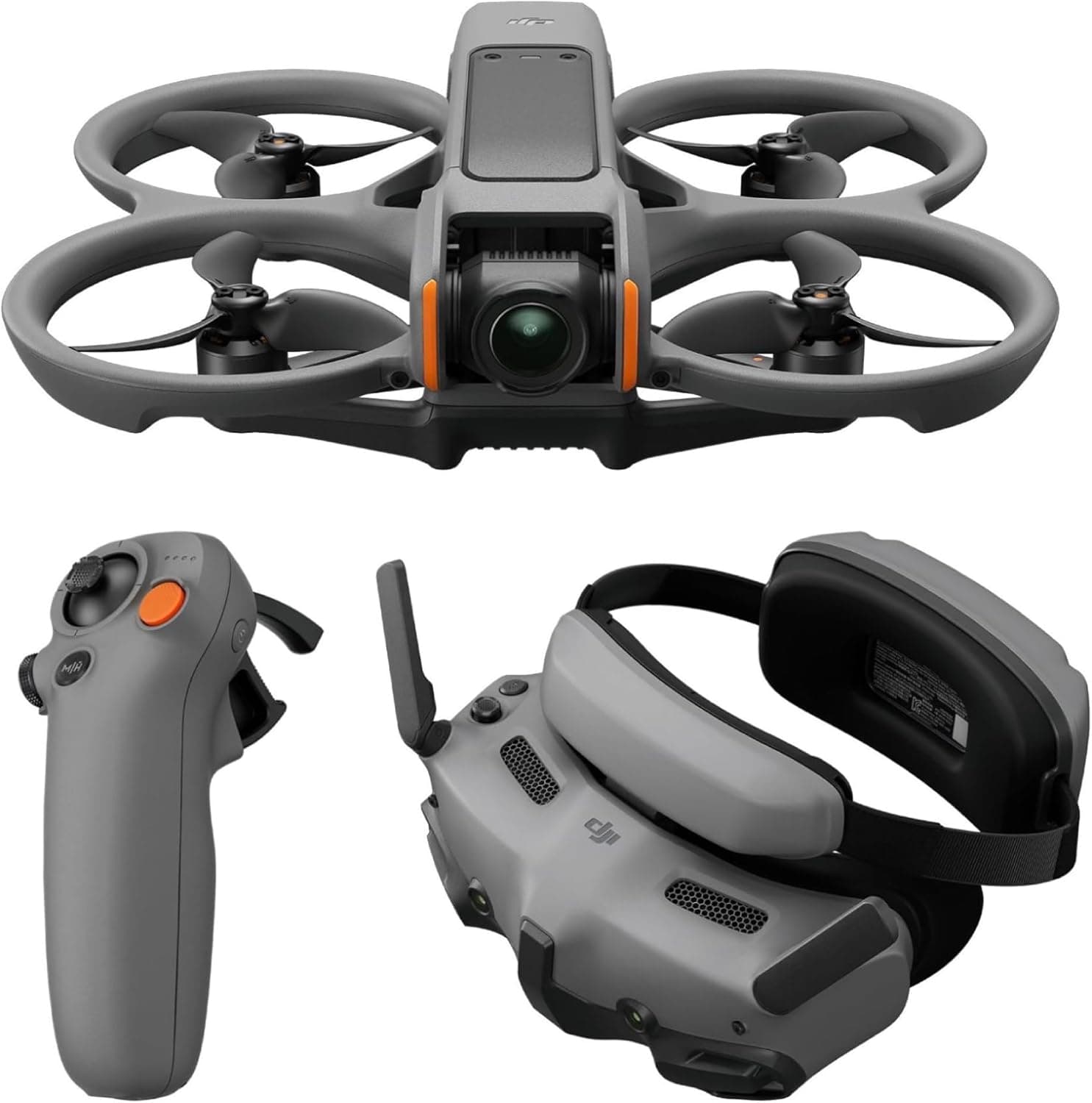
+ Goggles 3 give a sharp, low latency digital view for smooth immersive flights
From our guide: Best FPV Drones for Immersive Flight (2026)
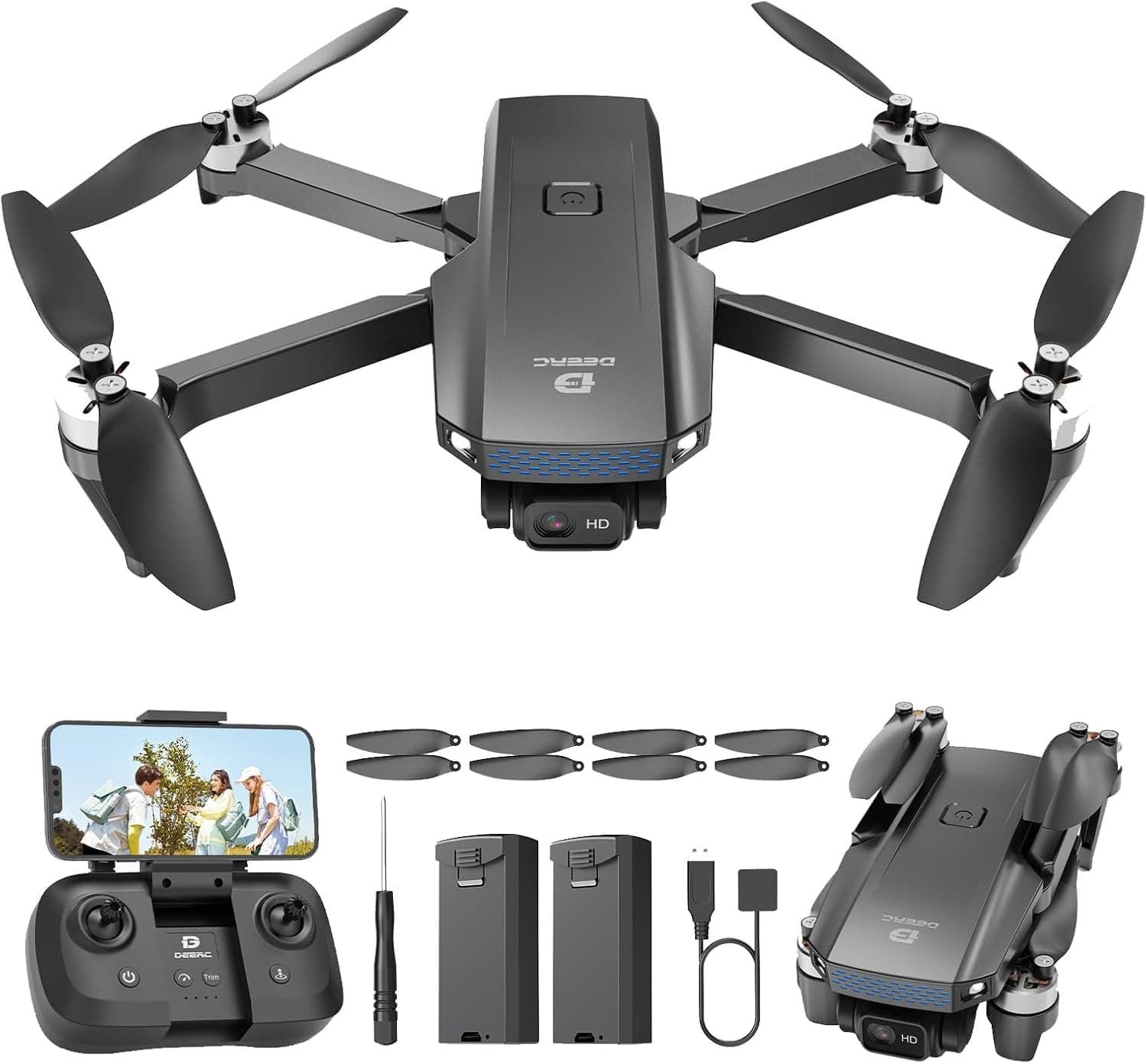
+ Brushless motor lasts longer and runs more efficiently than brushed beginner motors
From our guide: Best Beginner Drones for First-Time Pilots (2026)
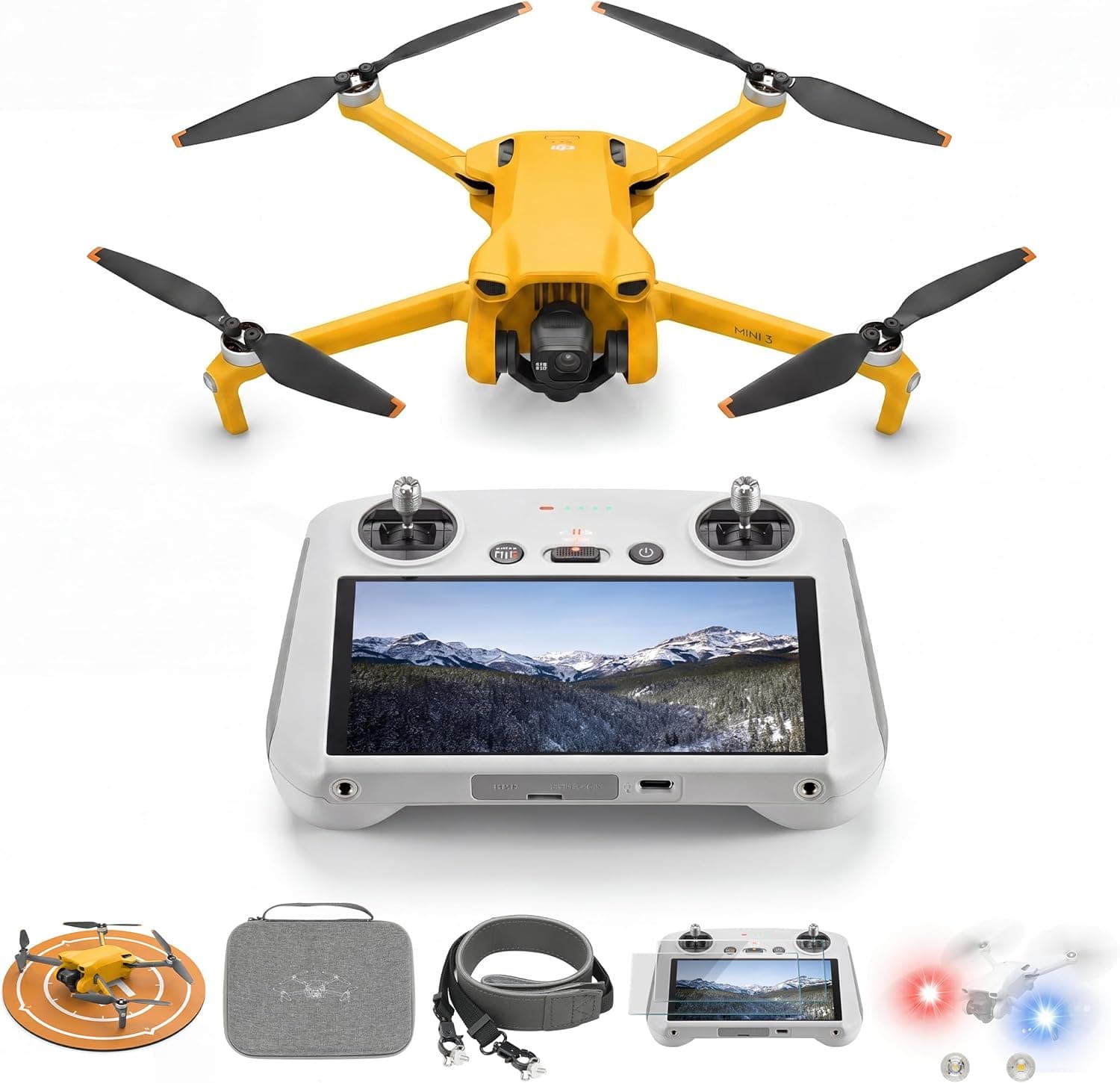
+ 48MP photos and 4K video give image quality well above budget ultralight drones
From our guide: Best Sub-250g Drones for Lighter Rules (2026)
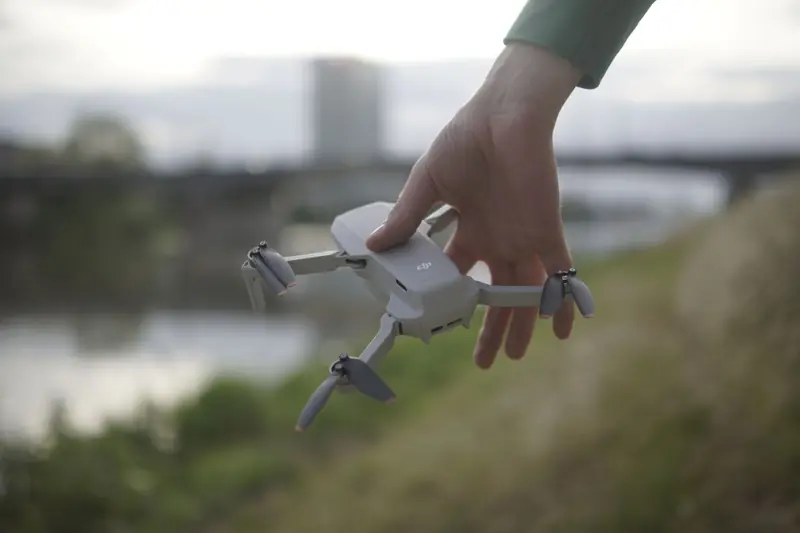
The practical benefit is reduced red tape. In several regions, a sub-250g drone flown recreationally may not require registration, and the operating rules can be more relaxed. This lowers the barrier to entry, letting newcomers start flying without navigating heavy paperwork. It is important to note that requirements vary by country and change over time, so the exact perks depend entirely on where you live and how you fly.
Design compromises come with the weight target. To stay under 250 grams, manufacturers use lighter materials, smaller batteries, and compact cameras. This can mean shorter flight times and less resistance to wind compared with heavier models. Engineers work hard to balance these tradeoffs, but a featherweight drone will generally feel more delicate in gusty conditions than a larger, heavier aircraft.
Sub-250g does not mean rule-free. Even the lightest drones are still subject to core safety expectations, such as keeping the aircraft in sight, avoiding airports and restricted airspace, and respecting people's privacy. The lighter category reduces some administrative steps, but it does not exempt you from flying responsibly. Treat the weight break as a convenience, not a loophole.
For many beginners, choosing a sub-250g drone is a smart starting point. It offers a gentler on-ramp into the hobby, fewer bureaucratic hurdles in many places, and a portable form factor that travels well. Just remember to verify the current rules in your own country before you fly, since regulations are updated periodically and enforcement differs widely from place to place.
Popular right now
- ESC explainedGlossary
- Drone Flight Modes ExplainedArticle
- Understanding Drone Motors and KV RatingsArticle
- Best FPV Antennas for Stronger Range (2026)Buying guide
- Best ESCs for FPV Drones (2026)Buying guide
- Best FPV Frames for Freestyle and Racing (2026)Buying guide
Based on the last 28 days of search and visitor data.