DJI Mini 3 Pro (DJI RC) 4K Video 48MP 34 Mins Less than 249g Review (2026)
Updated September 14, 2026 · Research-based review
Our verdict
The DJI Mini 3 Pro with the DJI RC controller suits pilots who want serious 4K and 48MP image quality in a sub 249g body that skips drone registration hassles in many regions. Its screen built controller and long battery life are the strengths, while premium DJI pricing and newer Mini models make it a pricier, aging pick today.
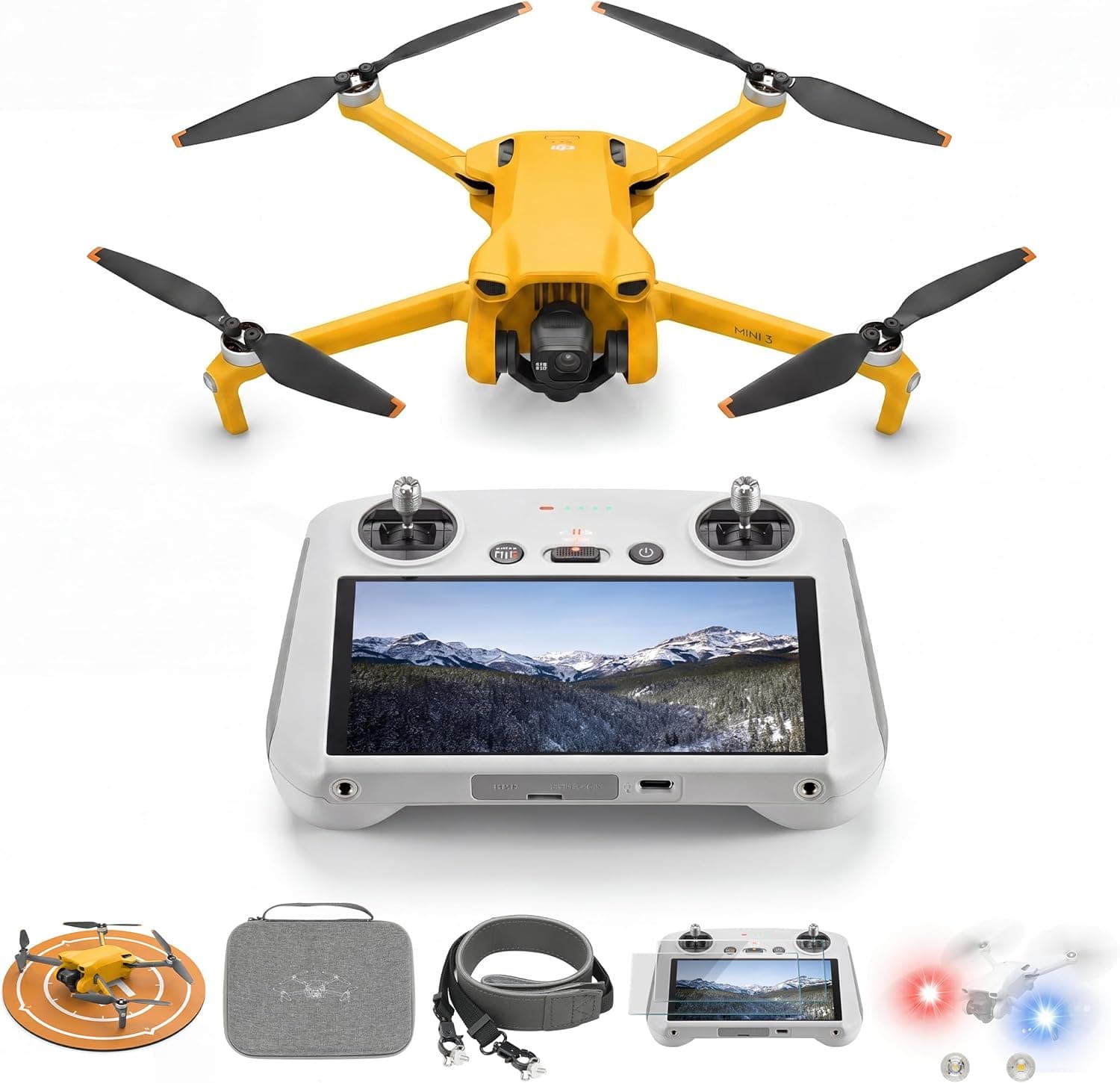
DJI Mini 3 Pro with the DJI RC screen controller, shooting 4K video and 48MP photos with 34 Mins of flight under 249g.
Price range: $ (Budget)
What we liked
- + 48MP photos and 4K video give image quality well above budget ultralight drones
- + DJI RC controller has a built-in screen, so you do not need to use your phone
- + 34 Mins per flight is a strong figure for a drone this light
Trade-offs
- - Premium DJI pricing is much higher than other picks in the ultralight range
- - Newer DJI Mini models have since replaced it, so check that the listing is current stock
Who This Drone Is Built For
The Mini 3 Pro targets flyers who want DJI reliability and real image quality without carrying a full sized drone that triggers stricter local registration rules. At under 249 grams it slots into the lightweight class that many countries treat differently from heavier drones, though pilots should always confirm current local rules before flying rather than relying on weight alone. The DJI RC version bundles a controller with a built in screen, which removes the need to clip a phone into a cradle every flight and cuts down on cable clutter at the launch site. This makes it a strong choice for travelers, real estate shooters, and hobbyists who want a grab and go kit. It is less suited to buyers who already own a phone mounted controller from another DJI drone, since paying extra for a second screen controller adds cost without adding new flight capability.
Camera and Flight Specs Explained
The camera uses a 1 over 1.3 inch sensor with dual native ISO, which helps the Mini 3 Pro hold detail in both bright skies and shaded ground in the same frame, a common problem for smaller drone sensors. It shoots 4K video at up to 60 frames per second and 48 megapixel stills, giving noticeably more cropping room and print detail than typical 12 megapixel budget drones. Rated flight time is up to 34 minutes on the standard battery, or up to 51 minutes with the larger Intelligent Flight Battery Plus, though real world time is always shorter once wind, cold weather, and hover maneuvers are factored in. Forward, rear, and downward vision sensors give obstacle sensing in the directions DJI covers, which is not the same as full 360 degree coverage some larger DJI models offer.
Setting Up and Flying Day to Day
Because the DJI RC controller has its own screen, first flights are simpler: power on the drone and controller, wait for GPS lock, and take off without hunting for a phone cable that fits the port. The compact folding arms make it easy to slip into a jacket pocket or small sling bag, and DJI's Fly app handles firmware updates, flight logs, and automated shot modes like QuickShots once you do plug in for setup or review footage on a larger screen. Owners typically carry a spare battery or two since even the longer rated flight time covers only a single location before a swap is needed. Routine care is standard for small drones: wipe the gimbal and lens after dusty or sandy flights, store batteries at partial charge for long gaps between trips, and keep firmware current through the DJI Fly app before each outing.
Where It Gives Ground to Rivals
Against the newer DJI Mini 4K, which posts a similar overall score in this guide, the Mini 3 Pro still wins on camera specs with its larger sensor and 48MP stills, but the Mini 4K undercuts it on price for buyers who only need solid 4K footage without the extra sensor size. Against the Potensic ATOM SE, a mid range alternative in the same weight class, the Mini 3 Pro pulls ahead on obstacle sensing and DJI's app ecosystem, while the ATOM SE claims a longer listed flight time across its included batteries and a lower cost of entry. The clearest trade-off across this whole class is that DJI's brand reliability and support network come at a real price premium compared with challenger brands chasing the same specs sheet.
Final Call and Who Should Choose Differently
For pilots who want dependable DJI firmware, strong low light and detail performance, and a controller that does not depend on a phone, the Mini 3 Pro remains a capable choice even as newer Mini models arrive, earning our score of 8.6 out of 10 in this guide. Buyers on a tighter budget, or anyone who already owns a phone cradle controller, should look at the DJI Mini 4K or Potensic ATOM SE instead, since both close most of the practical gap for less money. Because DJI regularly refreshes this line, always check that the specific listing still ships current stock and the DJI RC controller variant you expect, rather than an older or newer bundle mixed into the same product page.
Frequently asked questions
Does the DJI Mini 3 Pro need drone registration?
It weighs under 249 grams, which qualifies for lighter registration rules in many countries, but requirements vary by region so check your local aviation authority before flying.
Do I need a phone to fly the DJI RC version?
No. The DJI RC controller has a built in screen, so you can fly without ever connecting a phone, though the DJI Fly app is still useful for updates and reviewing footage.
How long does the battery actually last?
DJI rates the standard battery at up to 34 minutes and the Intelligent Flight Battery Plus at up to 51 minutes, though wind and cold weather typically shorten real flights.
Does it have obstacle avoidance in every direction?
It senses obstacles forward, rear, and downward, not a full 360 degrees, so pilots should still fly carefully around sides and overhead obstacles.
Prices change often, so check the current price and availability on Amazon.
Check price on AmazonDrone FPV Lab may earn a commission from the link above.