FPV vs Camera Drones
Published How we research
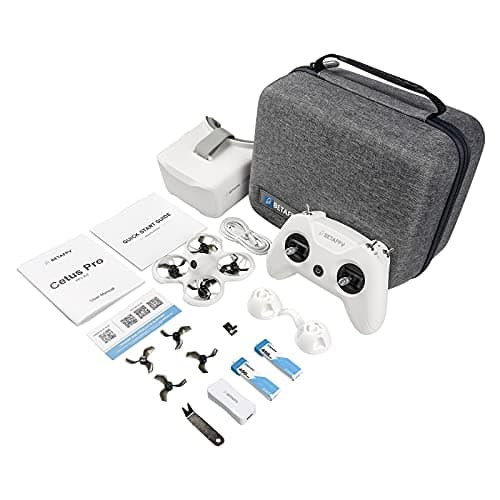
Camera drones hover automatically, hold altitude via GPS, and are forgiving to fly, prioritizing smooth, stabilized cinematic footage; you can fly one reasonably well within an hour. FPV drones do not self-level in acro mode and require learning manual control (usually weeks in a simulator first), rewarding pilots with immersive, dynamic flight and fast, close-proximity shots a camera drone cannot match. Camera drones are bought as sealed packages; FPV drones are typically built, tuned, and repaired by the pilot. FPV and camera drones look similar from a distance, but they represent two very different hobbies. Camera drones are built for smooth, stabilized aerial footage and are designed to be forgiving and easy to fly. FPV drones, short for first person view, are built for immersive, dynamic flight where you wear goggles and feel like you are sitting in the cockpit. Understanding this split is the first step to choosing the right path.
Products from this article
The highest-scoring picks from the buying guides this article links to. Scores are our editorial assessment, not customer ratings.
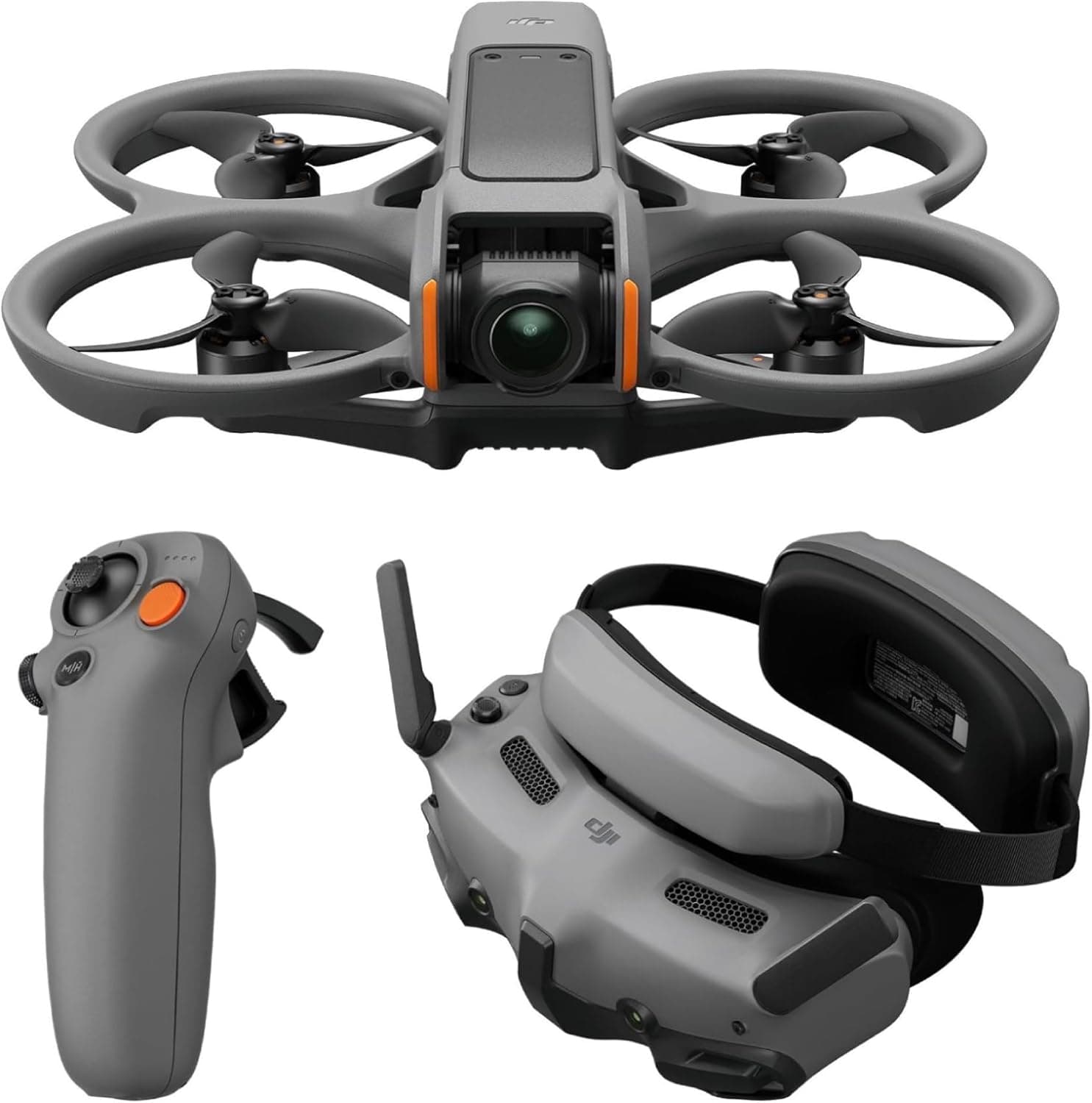
+ Goggles 3 give a sharp, low latency digital view for smooth immersive flights
From our guide: Best FPV Drones for Immersive Flight (2026)
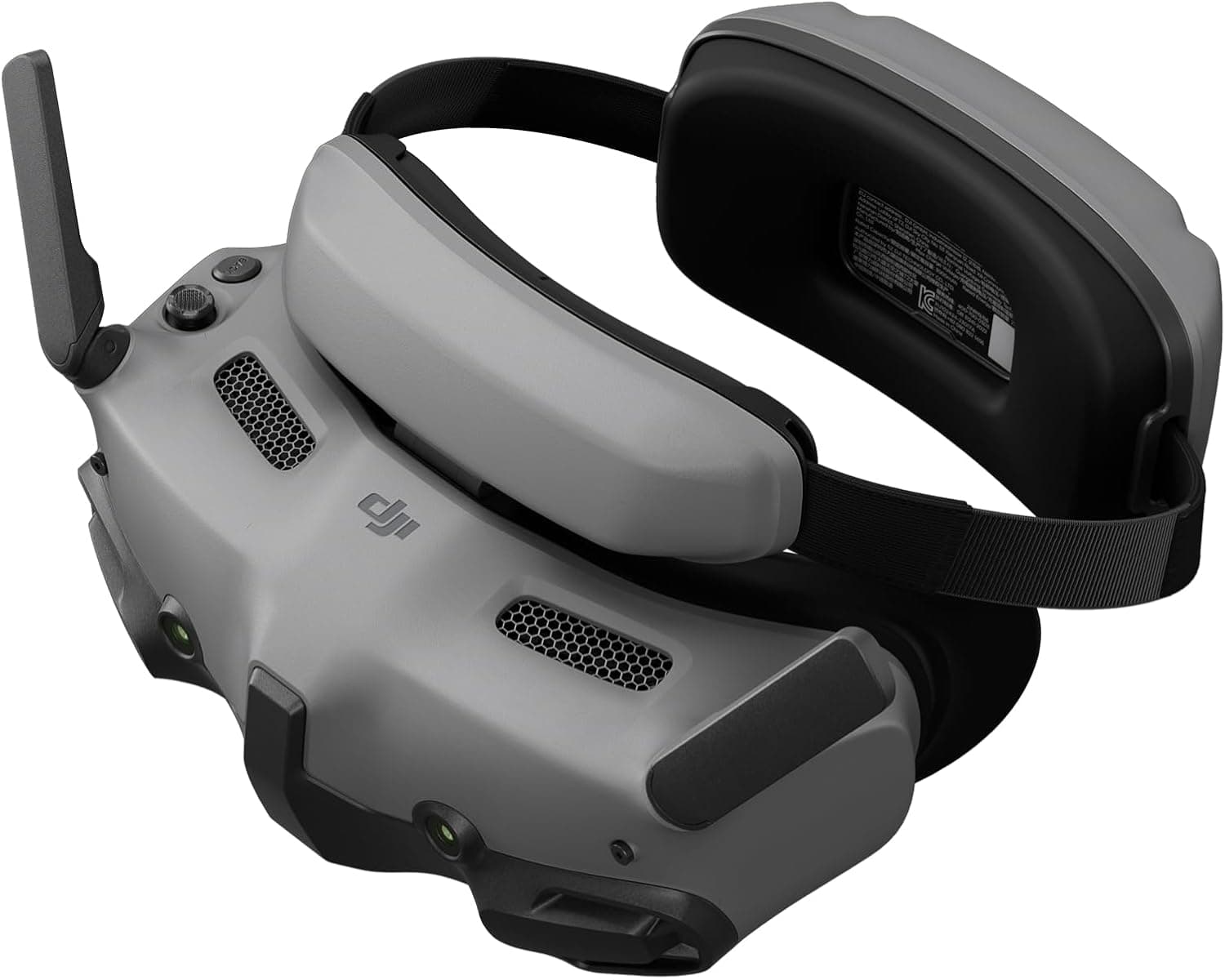
+ Micro-OLED screens give deep blacks and sharp detail for immersive flying
From our guide: Best FPV Goggles for Immersive Flying (2026)
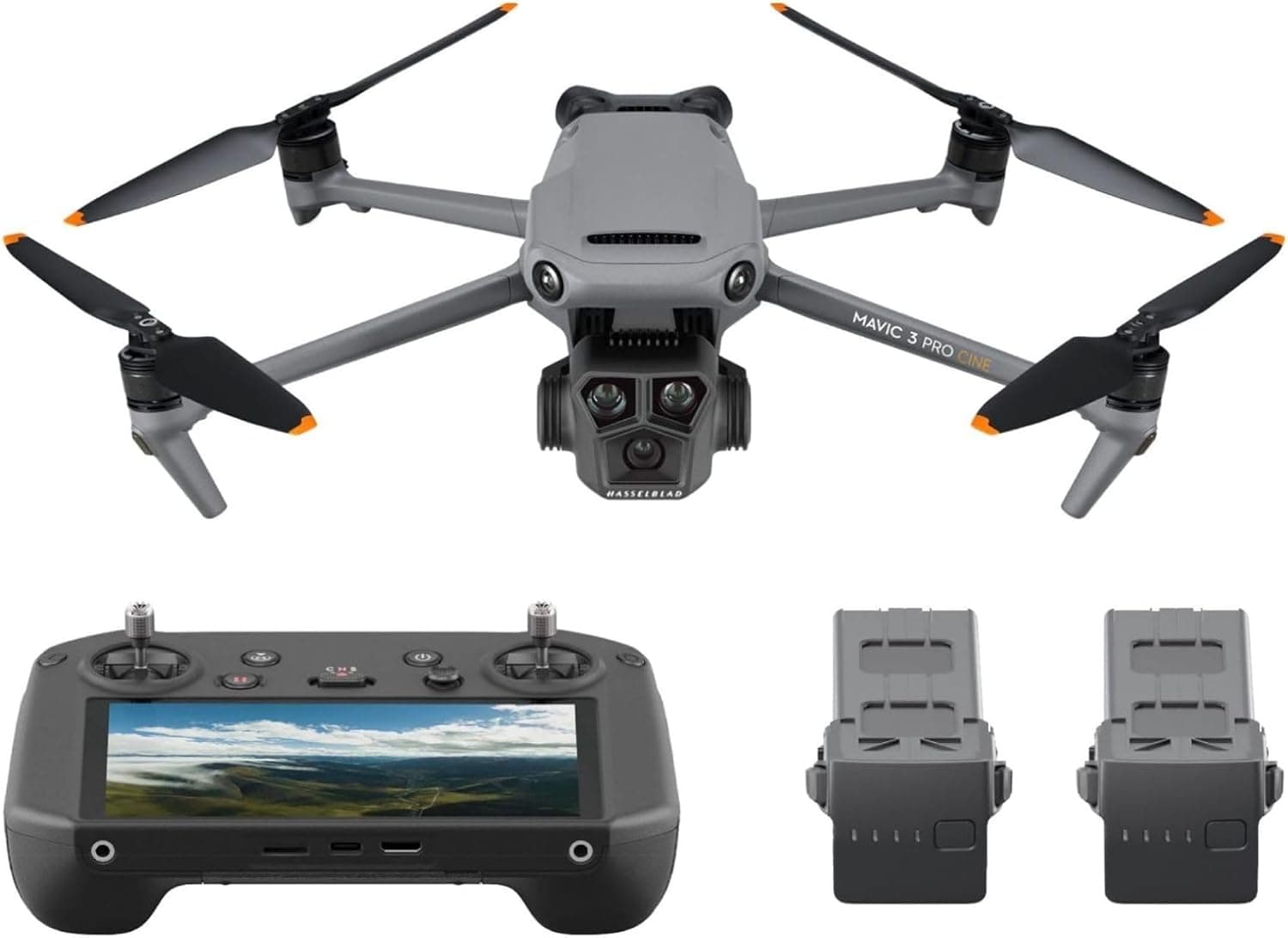
+ ProRes recording keeps high image quality for color grading in professional edits
From our guide: Best Cinematic Drones for Smooth Aerial Video (2026)
+ FPV Goggles V2 are included, so the combo is ready to fly out of the box
From our guide: Best FPV Drones for Immersive Flight (2026)
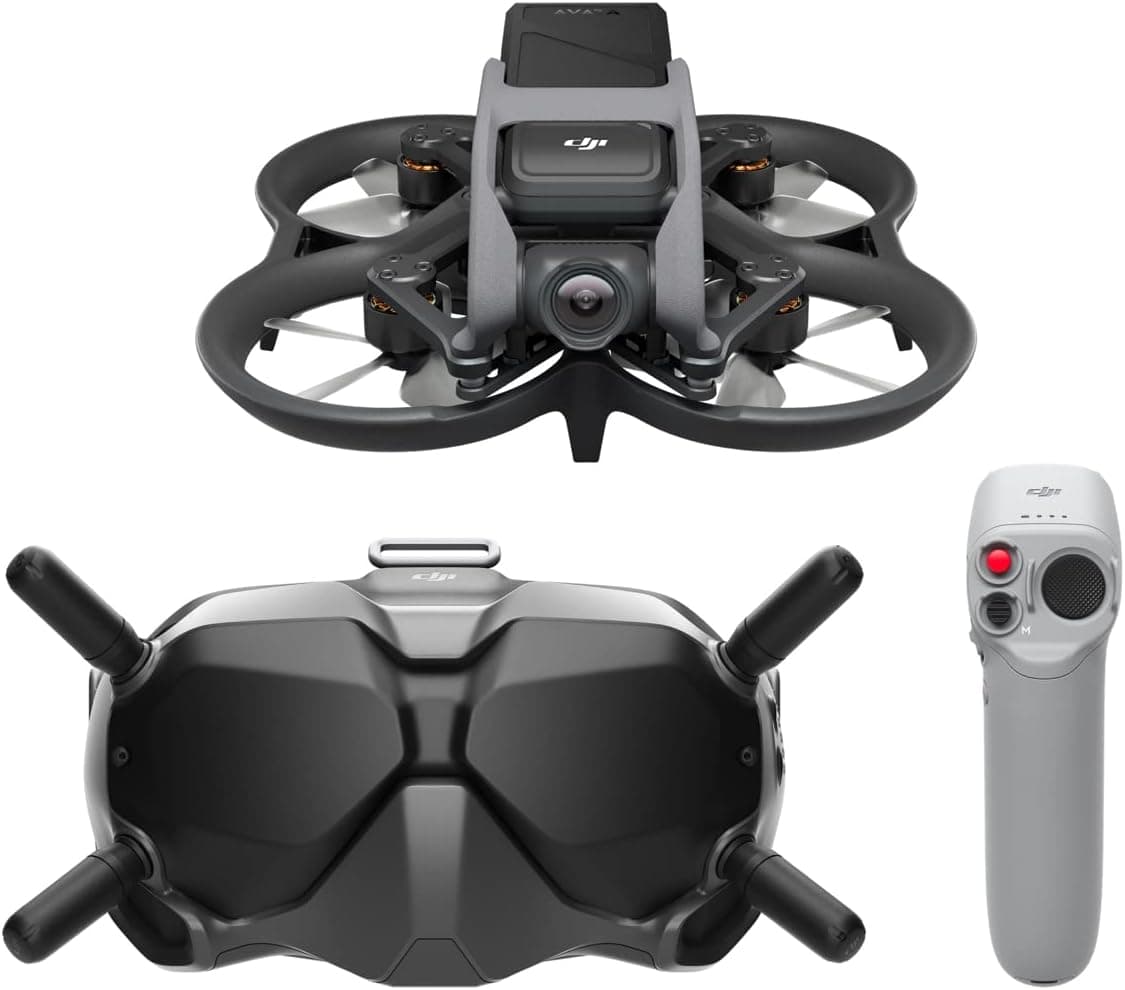
The flying experience diverges most
The flying experience is where the two diverge most. A camera drone typically hovers in place when you release the sticks, holds altitude automatically, and relies on GPS to stay stable. An FPV drone, especially in acro mode, does not self-level and will keep moving in whatever direction you point it. That makes FPV thrilling and expressive, but it also means you must learn to control the aircraft manually at all times.
Camera goals differ too
Camera goals differ too. Camera drones prioritize clean, cinematic shots with stabilized gimbals, ideal for real estate, travel, and landscape work. FPV drones prioritize motion and energy, capturing fast dives, tight proximity flights, and sweeping single-take moves that a traditional drone simply cannot perform. Neither is better overall; they serve different creative intentions.
The learning curve is a major practical difference
The learning curve is a major practical difference. Camera drones can be flown reasonably well within an hour because so much is automated. FPV flying, by contrast, usually requires significant practice in a simulator before you risk real hardware. Many FPV pilots spend weeks in simulation learning to hover, turn, and recover before their first outdoor flight. If instant results matter to you, that gap is worth knowing about.
Cost and repairability also separate the two
Cost and repairability also separate the two. Camera drones are often bought as complete, sealed packages, while FPV drones are frequently built, tuned, and repaired by the pilot. FPV encourages tinkering, soldering, and customization, which is part of the appeal for hands-on hobbyists. If you want to fly and film with minimal fuss, a camera drone fits. If you crave immersion and enjoy building gear, FPV is calling you.
Frequently asked questions
What is the difference between FPV and camera drones? Camera drones hover and stabilize automatically for smooth cinematic footage and are easy to fly; FPV drones give an immersive, manually controlled flying experience through goggles, prioritizing motion over stability.
Is FPV drone flying harder to learn than a camera drone? Significantly harder at first. Camera drones can be flown reasonably well within an hour thanks to automation, while FPV usually requires weeks of simulator practice before a first real flight.
Can FPV drones take smooth cinematic footage like camera drones? Not by design. FPV drones prioritize fast, dynamic, close-proximity flight rather than the stabilized, forgiving hovering that makes camera drones ideal for clean cinematic shots.
Do FPV drones require building and repair skills? Usually yes. Camera drones are typically bought as complete, sealed packages, while FPV drones are frequently built, tuned, and repaired by the pilot, which is part of the hobby's appeal.
At a glance: FPV drone vs Camera drone
| FPV drone | Camera drone | |
|---|---|---|
| Skill needed | High, manual acro flying | Low, GPS hold and auto modes |
| Footage style | Fast, dynamic, close to obstacles | Smooth, stable, wide aerials |
| Hover | Does not hover by itself | Holds position |
| Crashes | Expected, parts are repairable | Less common, repairs costly |
| Speed | Very fast | Moderate |
| Setup | Goggles, radio, batteries | Mostly ready to fly |
Choose FPV drone if
- You want the thrill of flying
- You want dynamic chase or dive shots
- You enjoy tinkering and repairs
Choose Camera drone if
- You want great aerial photos quickly
- You do not want to learn manual flying
- You film travel and landscapes
Bottom line: Pick a camera drone for easy, reliable aerial photos. Pick FPV if flying itself is the hobby and you want footage no GPS drone can capture.
Popular right now
- ESC explainedGlossary
- Drone Flight Modes ExplainedArticle
- Understanding Drone Motors and KV RatingsArticle
- Best FPV Antennas for Stronger Range (2026)Buying guide
- Best ESCs for FPV Drones (2026)Buying guide
- Best FPV Frames for Freestyle and Racing (2026)Buying guide
Based on the last 28 days of search and visitor data.