DJI Mini 4K, Drone with 4K UHD Camera, 3-Axis Gimbal, Under 249g (1 Battery) Review (2026)
Updated September 14, 2026 · Research-based review
Our verdict
DJI's Mini 4K pairs a sub 249g airframe with a real 3-Axis mechanical gimbal and DJI's polished flight app. It suits buyers who want dependable, level footage without a steep learning curve. The trade-off is a single included battery, so longer outings need extra packs. Our score is 8.8 out of 10.
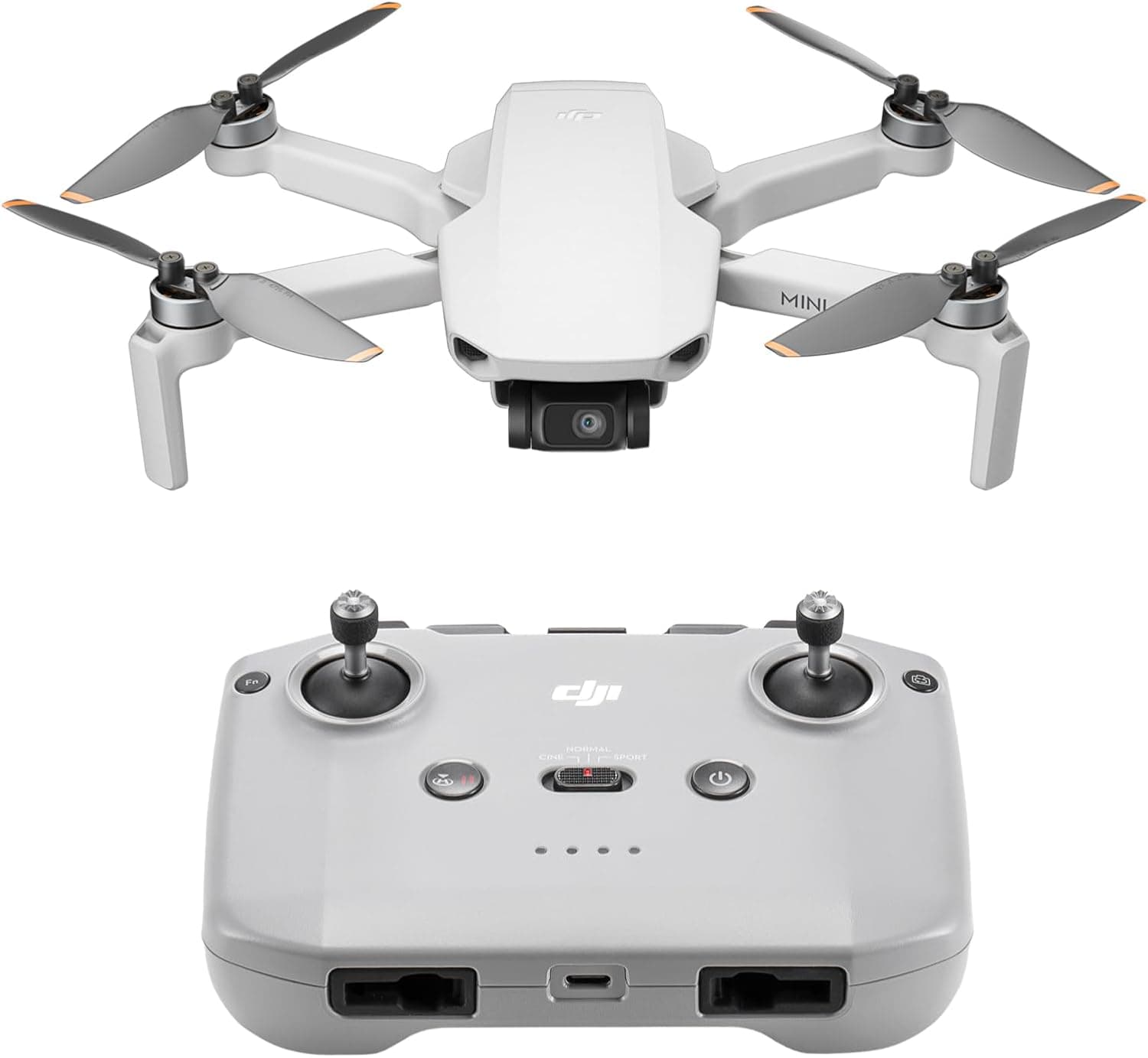
DJI Mini 4K is an under 249g camera drone with 4K UHD video and a 3-Axis gimbal, sold here with a single battery.
Price range: See on Amazon
What we liked
- + DJI's 3-Axis gimbal delivers smooth, level footage that budget camera drones struggle to match
- + Under 249g weight makes it a light, bag-friendly drone for travel photography
- + DJI Fly app is polished and beginner friendly, so learning camera moves is straightforward
Trade-offs
- - Only 1 battery is included, so a longer outing needs extra packs or the Fly More Combo
- - Entry DJI model lacks obstacle sensors, so careful flying near trees is still required
Who the Mini 4K is built for
The Mini 4K is DJI's budget entry drone, aimed at travelers, beginners and casual content creators who want DJI's build quality and app polish without paying for the sensors and features found on the Mini 4 Pro. DJI lists the aircraft weight at 246 grams, keeping it in the lightest drone class alongside the Ruko and Holy Stone models in this same guide, which simplifies casual flying compared with heavier drones. Because this listing includes a single Intelligent Flight Battery rather than the Fly More Combo's three batteries, it suits pilots who fly shorter, occasional sessions rather than all day shoots. Anyone who wants obstacle sensors, a longer single battery flight time or a telephoto lens should look at the Mini 4 Pro instead, since the Mini 4K is deliberately the simplified, lower cost model in DJI's Mini lineup.
Camera, gimbal and transmission explained
DJI equips the Mini 4K with a 1/2 inch CMOS sensor producing 12 megapixel stills and video up to 4K at 30 frames per second, 2.7K at 60fps or 1080p at 60fps, figures aimed at travel and landscape footage rather than professional color grading work. The 3-Axis mechanical gimbal tilts from minus 90 degrees straight down to plus 20 degrees in extended mode, physically countering flight vibration rather than relying on software correction alone, which is the main reason DJI's footage looks steadier than many budget camera drones. DJI's O2 video transmission system delivers up to 10 kilometers of range with roughly 200 milliseconds of latency under open, interference free conditions, far more than most casual pilots will use but useful headroom near open fields or coastline. DJI folds the aircraft to 138 by 81 by 58 millimeters, close to the size of a large smartphone, for travel packing.
Living with a single battery Mini 4K
DJI rates the included Intelligent Flight Battery at up to 31 minutes of flight time under controlled, windless conditions, so real world sessions with wind and maneuvering will run shorter, and because this listing includes only one battery, a single outing effectively caps out around half an hour before recharging. DJI rates Level 5 wind resistance at 10.7 meters per second, giving the Mini 4K a documented buffer against moderate breezes that would unsettle lighter, less refined drones. The DJI Fly app handles calibration, firmware updates and flight modes in one polished interface, which is one of the clearer advantages DJI holds over budget drone brands whose apps are less consistently maintained. Buyers who expect to fly more than once per outing should budget for at least one spare Intelligent Flight Battery, since DJI sells the Mini 4K in both single battery and Fly More Combo configurations for exactly this reason.
How it compares with Ruko and Holy Stone rivals
In the site's camera drones guide the Mini 4K ranks first of seven, ahead of the Ruko U11MINI, which counters with a brushless gimbal of its own and a lower overall price position but without DJI's app polish or image processing pipeline. In the sub 250g drones guide it also ranks first of seven, ahead of the DJI Mini 3 Pro, which adds obstacle sensors and a higher resolution sensor at a higher price point. Against Holy Stone's HS360S, the Mini 4K's confirmed 3-Axis mechanical gimbal is a clear step up from a listing that does not headline gimbal stabilization at all. The honest trade-off across this comparison is that DJI's refinement and gimbal quality come with a single battery in this configuration, while some rivals bundle two or three batteries for a similar total cost.
Verdict and who should choose differently
The Mini 4K earns its top score in this guide by combining a genuine 3-Axis mechanical gimbal, a sub 249g weight class and DJI's dependable flight app, which together make it an easy recommendation for anyone taking their first steps into aerial photography. It fits travelers and casual creators who want reliable, level footage without a steep learning curve. Buyers who need obstacle avoidance, longer single battery endurance or professional grade image quality should step up to the Mini 4 Pro instead, and anyone planning back to back flights on one outing should add a second battery or choose the Fly More Combo listing rather than this single battery version.
Frequently asked questions
How much does the DJI Mini 4K weigh?
DJI lists the aircraft at 246 grams, keeping it under the 249g threshold that many pilots use as a simpler weight class for casual flying.
How long does the included battery last?
DJI rates the single Intelligent Flight Battery at up to 31 minutes under controlled conditions, and this listing includes only one battery, so real sessions with wind will run shorter.
Does the Mini 4K have a real gimbal or just digital stabilization?
It uses a 3-Axis mechanical gimbal that tilts from minus 90 to plus 20 degrees, physically countering vibration rather than relying only on software correction.
How does the Mini 4K compare with the Ruko U11MINI in this guide?
Both use a form of gimbal stabilization and stay under 249g, but the Mini 4K's higher score reflects DJI's more polished flight app and image processing, while the Ruko costs less and includes more batteries in its package.
Prices change often, so check the current price and availability on Amazon.
Check price on AmazonDrone FPV Lab may earn a commission from the link above.