Understanding Drone Motors and KV Ratings
Published How we research
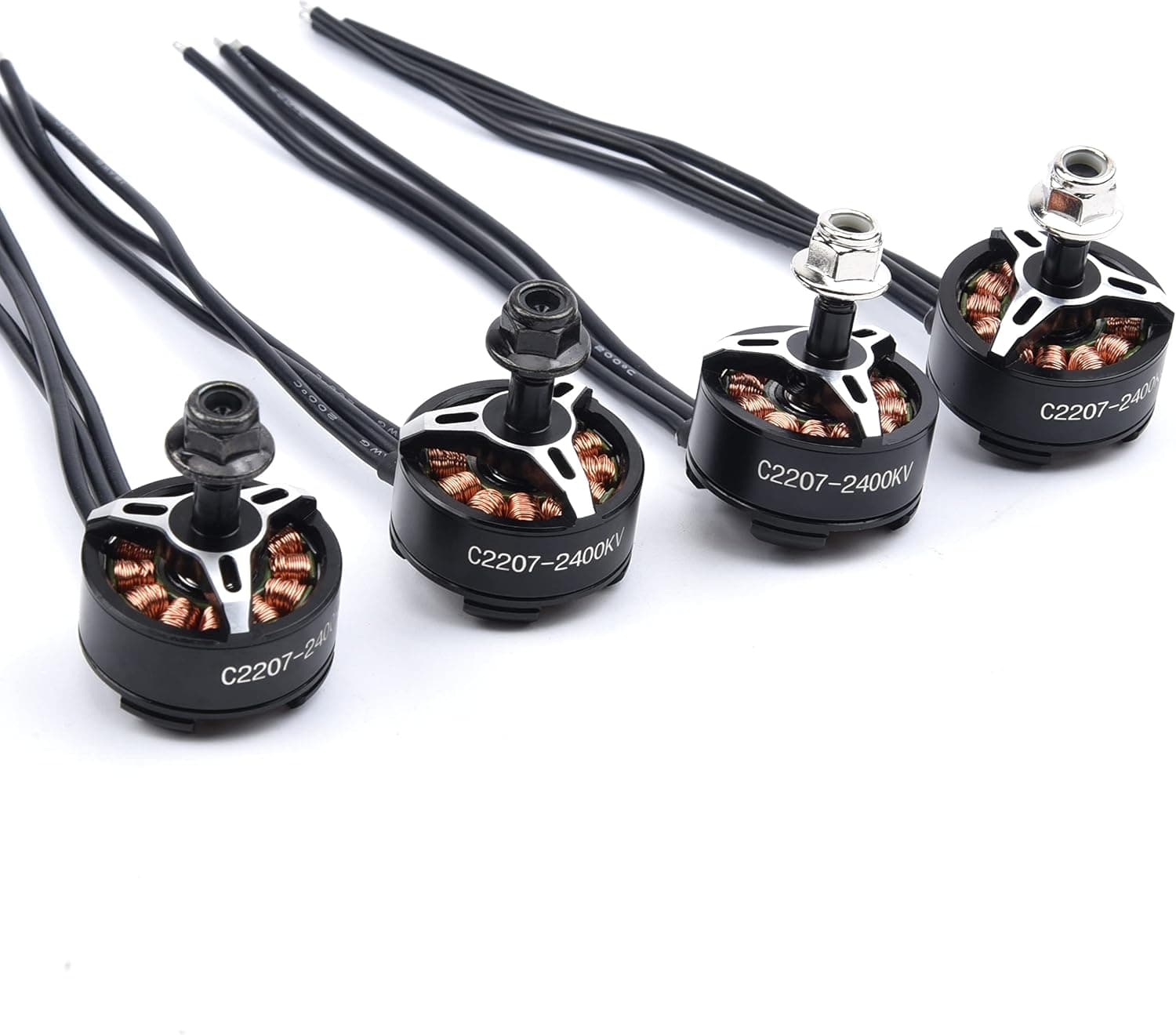
Motors are the muscles of your drone, converting electrical energy into the spinning force that drives your propellers. Understanding how they work, and what their specifications mean, helps you build better aircraft and diagnose performance issues. Two of the most talked about motor characteristics are physical size and KV rating, and grasping these will demystify a big part of drone performance. Motors are chosen to match your props, battery, and flying goals as a coordinated system.
Products from this article
The highest-scoring picks from the buying guides this article links to. Scores are our editorial assessment, not customer ratings.
+ Three KV options cover low and high voltage builds from one trusted motor line
From our guide: Best Brushless Motors for FPV Drones (2026)
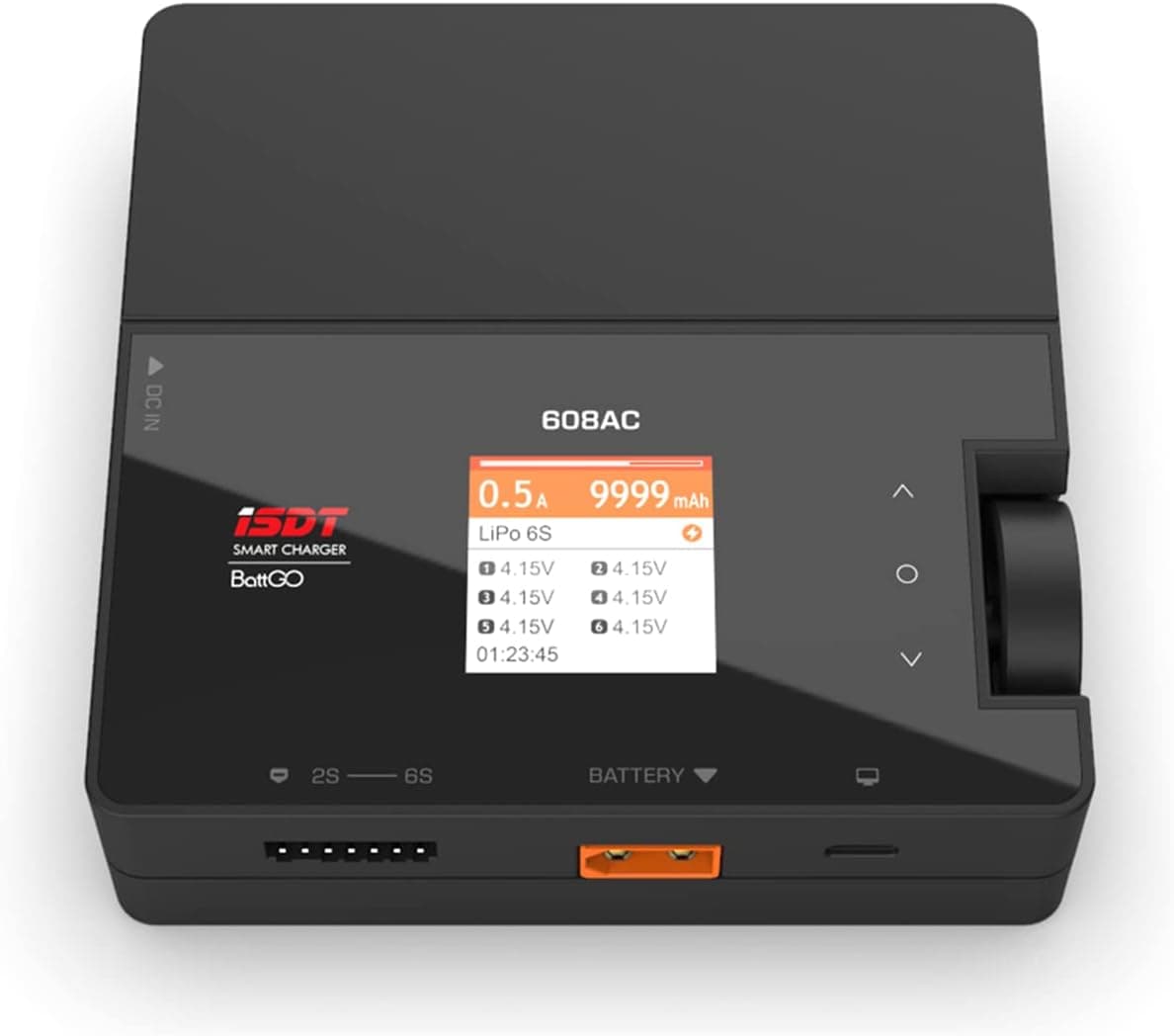
+ 200W output charges large packs or parallel boards quickly
From our guide: Best Drone Power Supplies for FPV Builds (2026)
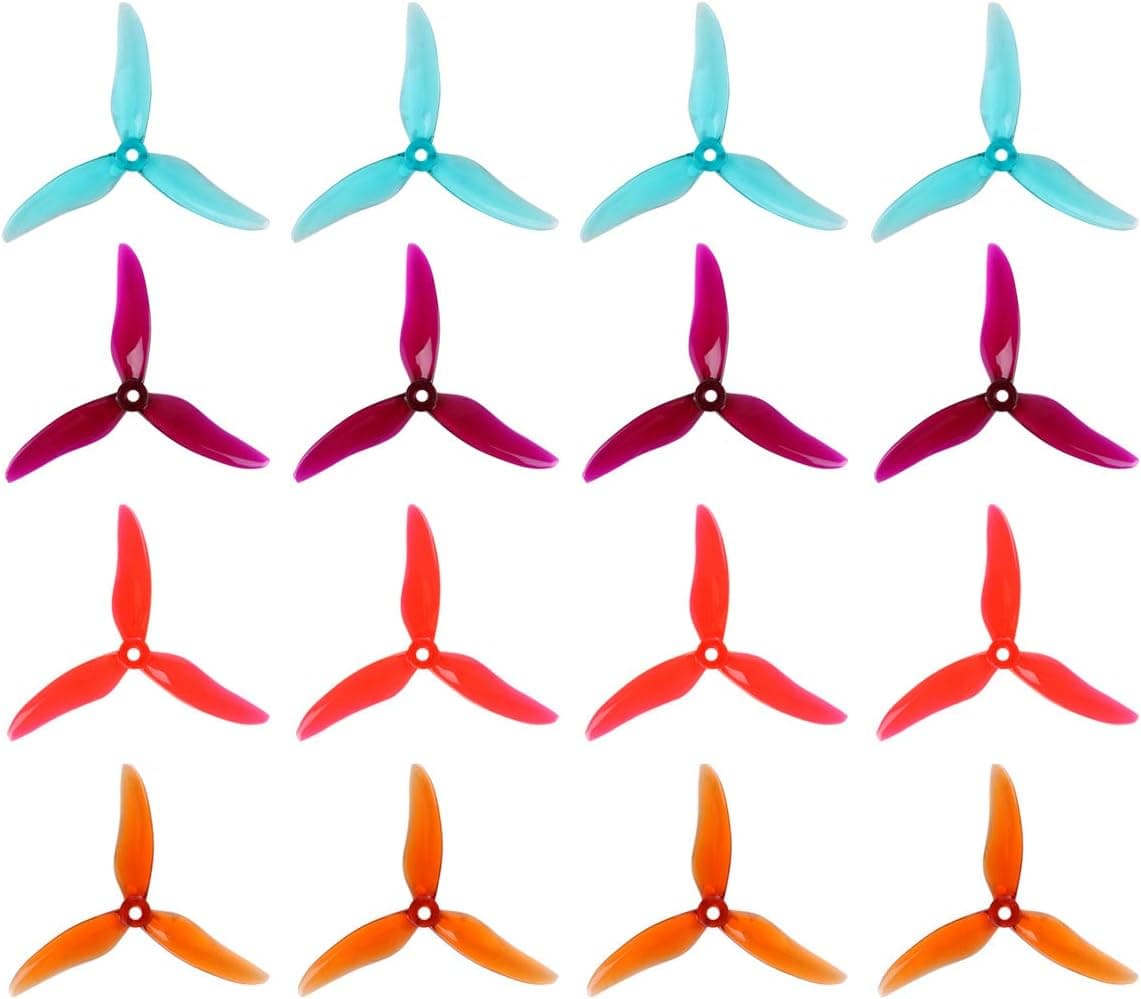
+ 16pcs gives four full sets of props for crash-heavy practice
From our guide: Best Propellers for FPV Drones (2026)
+ 4S 2400KV setup gives crisp throttle response for freestyle
From our guide: Best Brushless Motors for FPV Drones (2026)
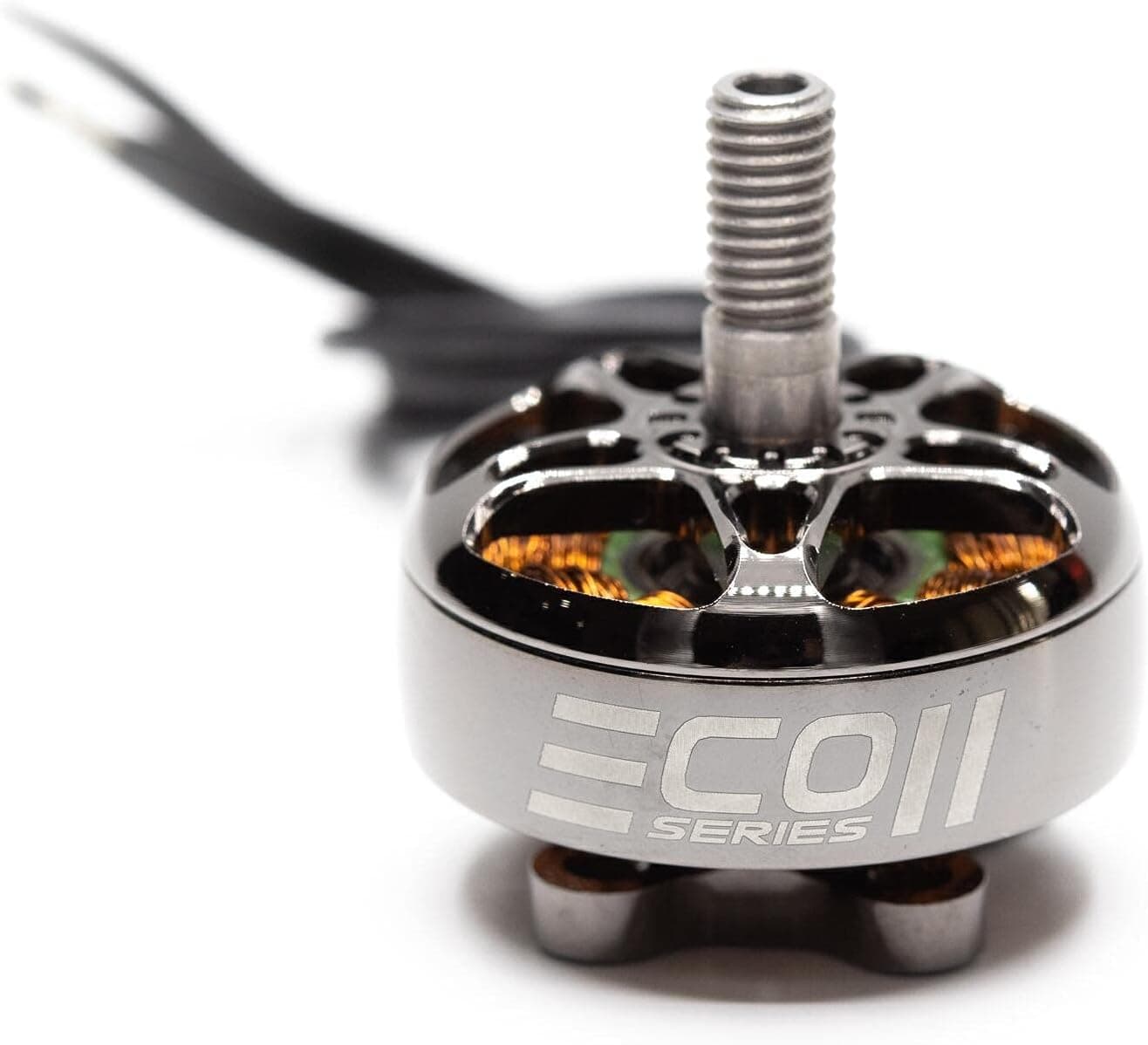
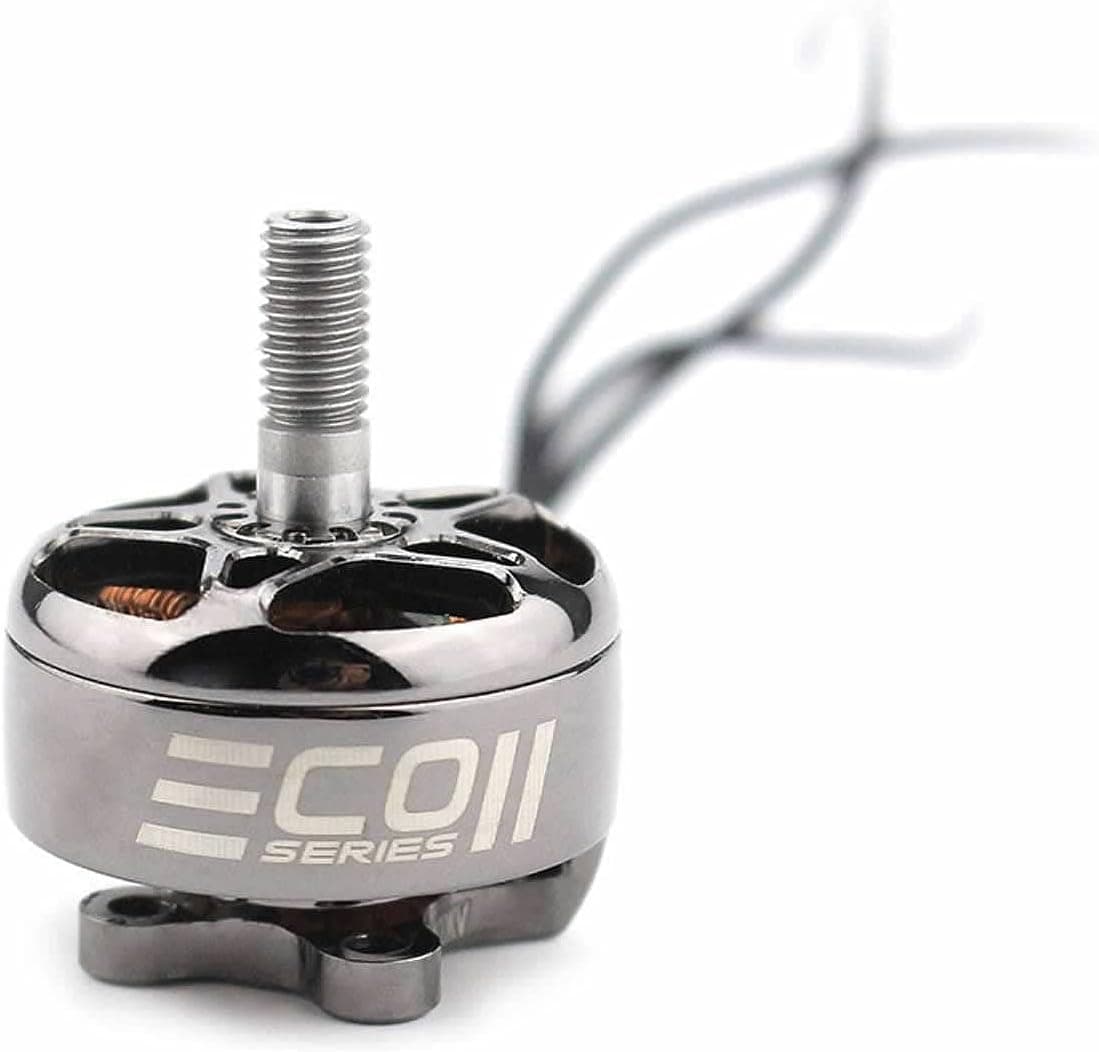
KV rating is one of the most misunderstood specs in the hobby. KV describes how many revolutions per minute a motor turns for each volt applied, with no load attached. A higher KV motor spins faster for a given voltage, while a lower KV motor spins slower but often produces more turning force. KV is not a measure of power or quality; it is simply a characteristic that must be matched appropriately to your propellers and battery.
The relationship between KV, props, and battery voltage is central to building a balanced quad. High KV motors tend to pair with smaller propellers and can spin them very fast, while lower KV motors suit larger props that move more air more slowly. Mismatching these can cause motors to overheat or perform poorly. This is why builders follow proven combinations rather than mixing components at random, especially when starting out.
Motor size, usually given as a set of dimensions, tells you about the stator that generates force. Larger stators generally produce more torque and can handle heavier loads, which is why bigger, heavier drones use larger motors. Smaller drones use compact motors tuned for their light frames and small props. Matching motor size to the overall class of your aircraft keeps everything working within safe and efficient limits.
Heat is the enemy of motors and a useful diagnostic tool. After a flight, motors should be warm but not too hot to touch comfortably; excessive heat signals a mismatch or a problem. Learning to feel your motors after flights helps you catch issues like a bad prop and battery pairing before they cause damage. With a basic understanding of KV and size, you can read a parts list and understand why each motor was chosen.
Popular right now
- ESC explainedGlossary
- Drone Flight Modes ExplainedArticle
- Best FPV Antennas for Stronger Range (2026)Buying guide
- Best ESCs for FPV Drones (2026)Buying guide
- Best FPV Frames for Freestyle and Racing (2026)Buying guide
- Radio Controller Modes ExplainedArticle
Based on the last 28 days of search and visitor data.