FPV Goggles
Published How we research
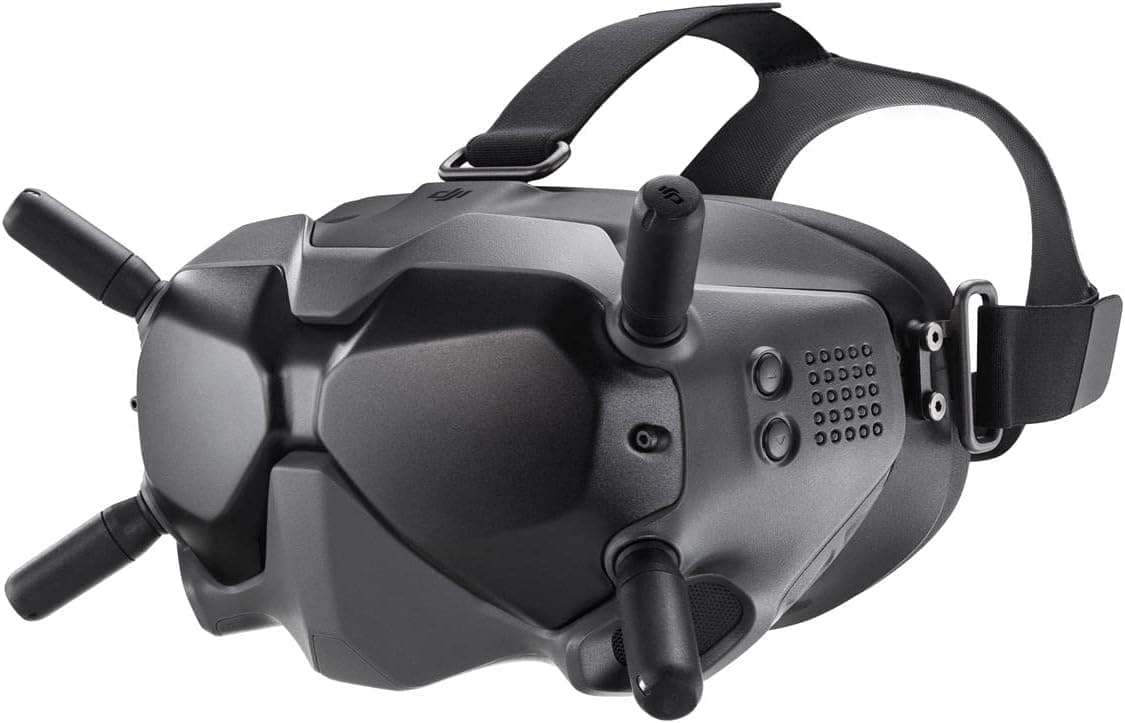
FPV goggles are the heart of the first person view experience, and the biggest choice you will face is analog versus digital video. For many years analog ruled the hobby because it was cheap, light, and reliable. More recently, digital systems have matured and delivered dramatically sharper images. Both approaches remain popular, and understanding their tradeoffs will help you pick the system that matches your priorities.
Products from this article
The highest-scoring picks from the buying guides this article links to. Scores are our editorial assessment, not customer ratings.
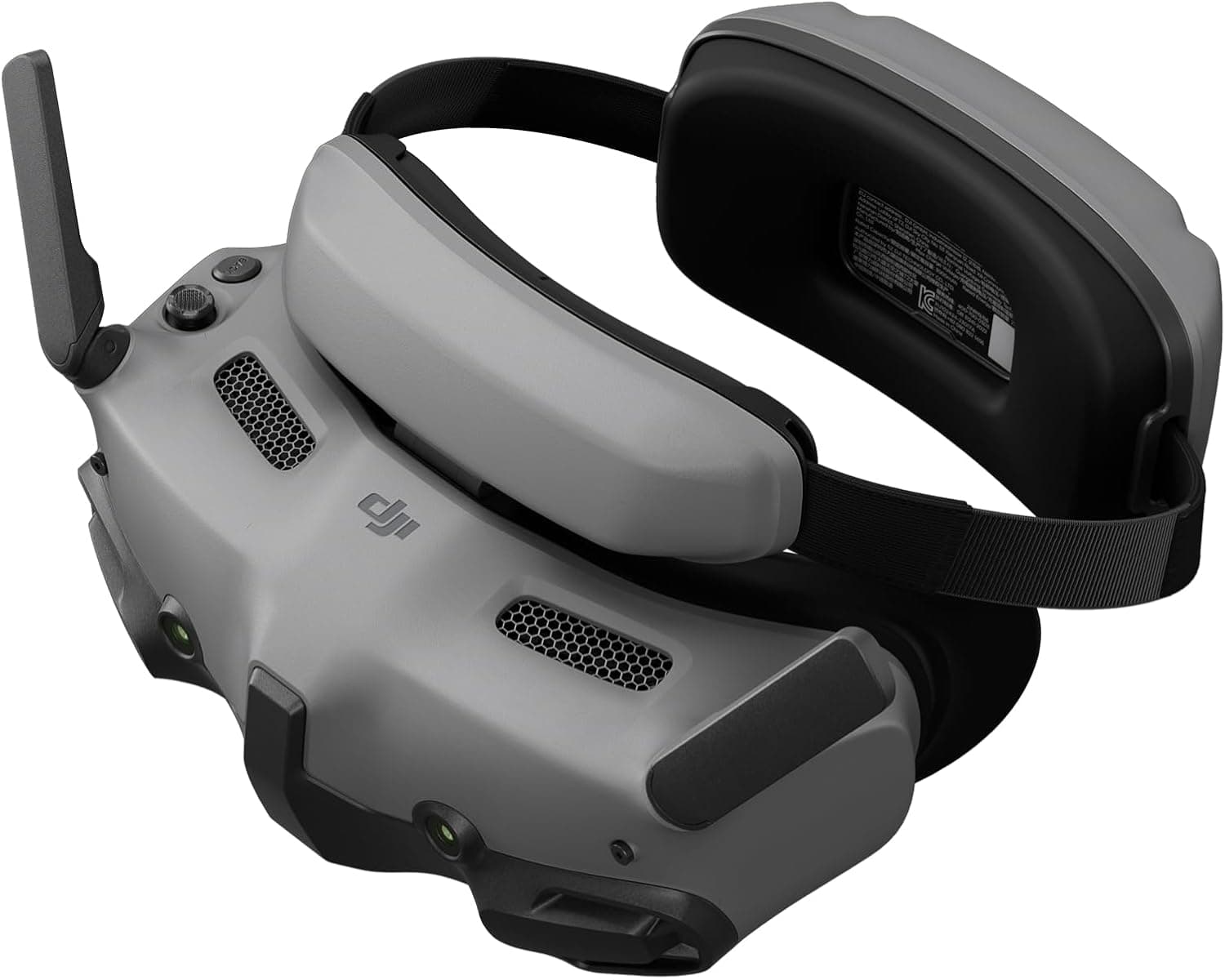
+ Micro-OLED screens give deep blacks and sharp detail for immersive flying
From our guide: Best FPV Goggles for Immersive Flying (2026)
+ Slim Skyzone design is compact and comfortable for long race days
From our guide: Best Analog FPV Goggles for Budget Pilots (2026)
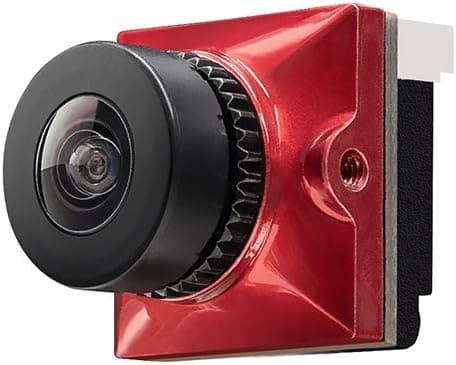
+ Super WDR handles bright skies and shadows better than basic analog cameras
From our guide: Best FPV Cameras for Clear Flight Video (2026)
+ Digital HD image is far sharper than analog goggles, so gaps and branches are easier to read
From our guide: Best FPV Goggles for Immersive Flying (2026)
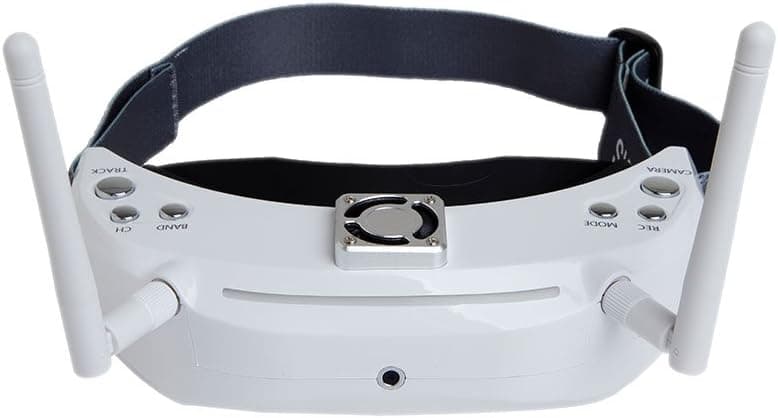
Analog video is known for its graceful failure. As the signal weakens, the image gets noisy and staticky but usually remains flyable, giving you warning before you lose the picture entirely. This soft degradation is prized by long-range and freestyle pilots who want to sense when they are pushing their limits. The downside is comparatively low resolution and visible static even in good conditions, which some pilots find distracting.
Digital video offers a clean, crisp picture that can look almost like a screen in front of your eyes. The clarity makes spotting obstacles and framing shots much easier, and recorded footage from the goggles can look surprisingly good. The tradeoff is that digital systems can fail more abruptly, sometimes freezing or cutting out rather than fading gently. They also tend to cost more and add a little weight compared with basic analog gear.
Latency is a key consideration for fast, aggressive flying. Analog has traditionally offered extremely low latency, which racers value because even small delays affect reaction time. Modern digital systems have narrowed this gap considerably, but the most latency-sensitive racers still scrutinize it closely. For casual cruising and cinematic work, the difference is far less critical.
Your choice ultimately depends on budget, flying style, and how much you value image quality. Analog remains a fantastic, affordable entry point and is deeply supported across the hobby. Digital rewards pilots who want the best possible view and are willing to invest more. Try both if you can, since goggles are a very personal piece of gear and comfort matters as much as the video technology inside.
At a glance: Analog vs Digital
| Analog | Digital | |
|---|---|---|
| Image quality | Low resolution, static and breakup | Clear HD image |
| Latency | Very low | Low on modern systems |
| Signal loss | Gradual, flyable through noise | Can freeze or drop suddenly |
| Cost | Low | Higher |
| Compatibility | Works across brands | Tied to one system |
| Recording | Low quality DVR | HD recording in goggles or on the quad |
Choose Analog if
- You are on a tight budget
- You race with others on analog
- You fly tiny whoops
Choose Digital if
- Image clarity matters most
- You fly freestyle or cinematic lines
- You can pick one system and stay with it
Bottom line: Digital FPV is the better experience for most new freestyle pilots who can afford it. Analog remains a smart, cheap way to start and is still popular for racing and micro drones.
Popular right now
- ESC explainedGlossary
- Drone Flight Modes ExplainedArticle
- Understanding Drone Motors and KV RatingsArticle
- Best FPV Antennas for Stronger Range (2026)Buying guide
- Best ESCs for FPV Drones (2026)Buying guide
- Best FPV Frames for Freestyle and Racing (2026)Buying guide
Based on the last 28 days of search and visitor data.