Drone Flight Modes Explained
Published How we research
GPS-assisted mode holds position precisely using satellite positioning, ideal for relaxed, forgiving flying and beginners, but needs a solid GPS lock. Attitude mode keeps the drone level but lets it drift with wind, demanding more active correction and building manual skill. Sport or fast modes prioritize speed and responsiveness over gentle handling, best for confident pilots in open spaces. Match the mode to your goal: assisted for smooth footage, attitude to practice, sport only with room and experience. Most modern camera drones offer several flight modes, each changing how the aircraft behaves and how much it assists you. Understanding these modes helps you choose the right one for the situation and prevents unpleasant surprises. From heavily assisted modes that practically fly themselves to more manual modes that hand control back to you, each has a purpose. Knowing what each mode does is an essential part of flying safely and getting the results you want.
Products from this article
The highest-scoring picks from the buying guides this article links to. Scores are our editorial assessment, not customer ratings.
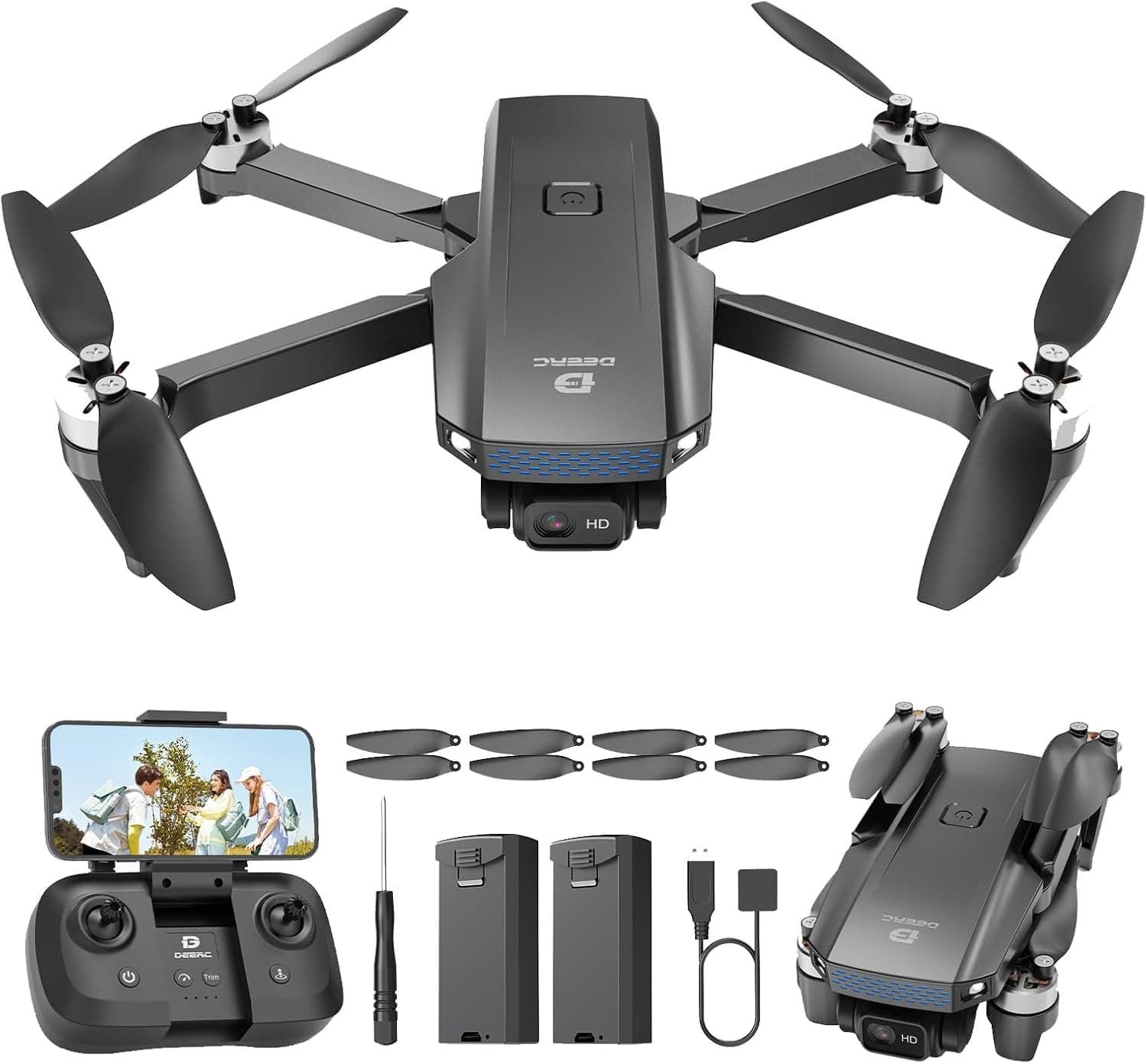
+ Brushless motor lasts longer and runs more efficiently than brushed beginner motors
From our guide: Best Beginner Drones for First-Time Pilots (2026)
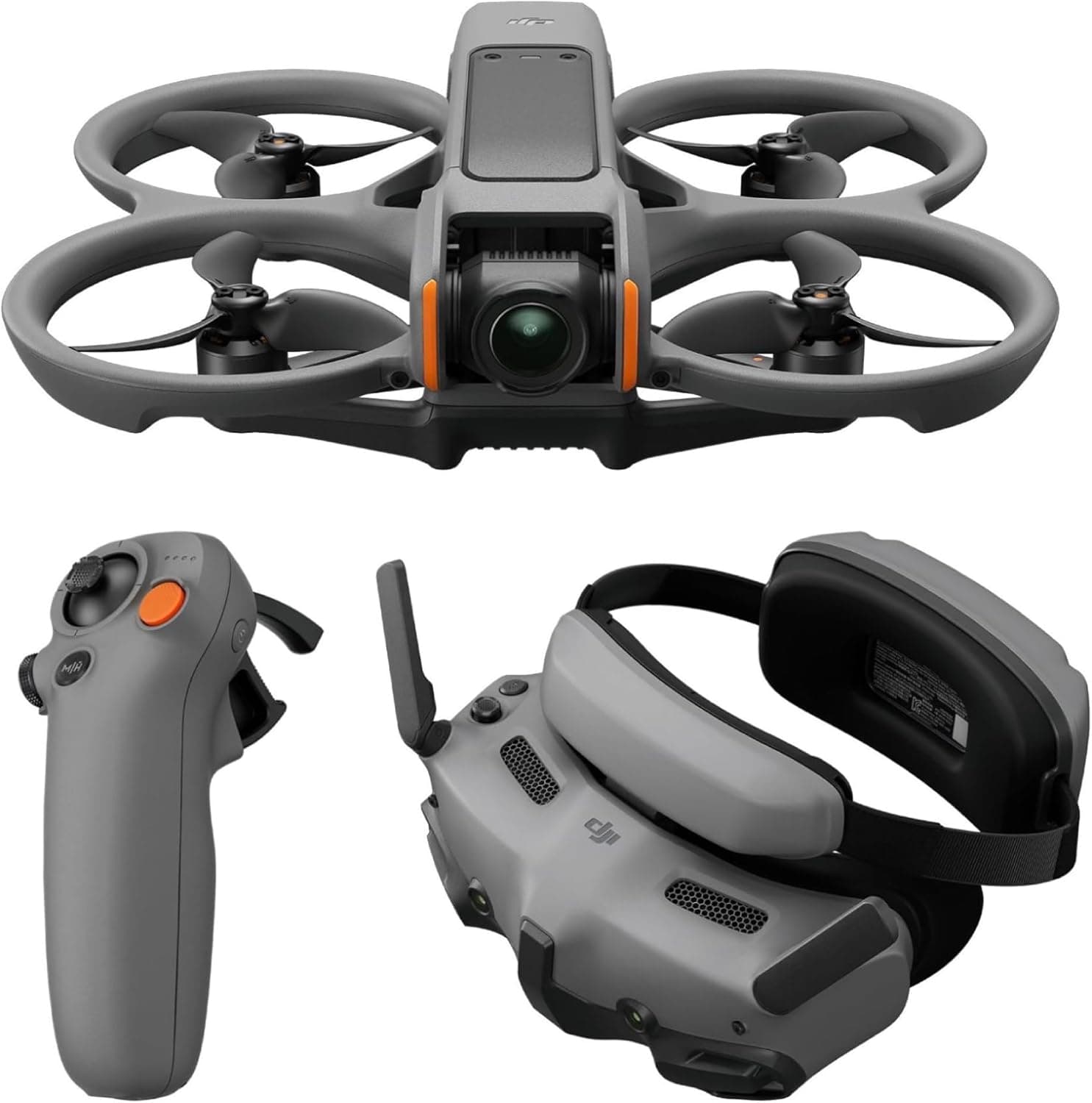
+ Goggles 3 give a sharp, low latency digital view for smooth immersive flights
From our guide: Best FPV Drones for Immersive Flight (2026)
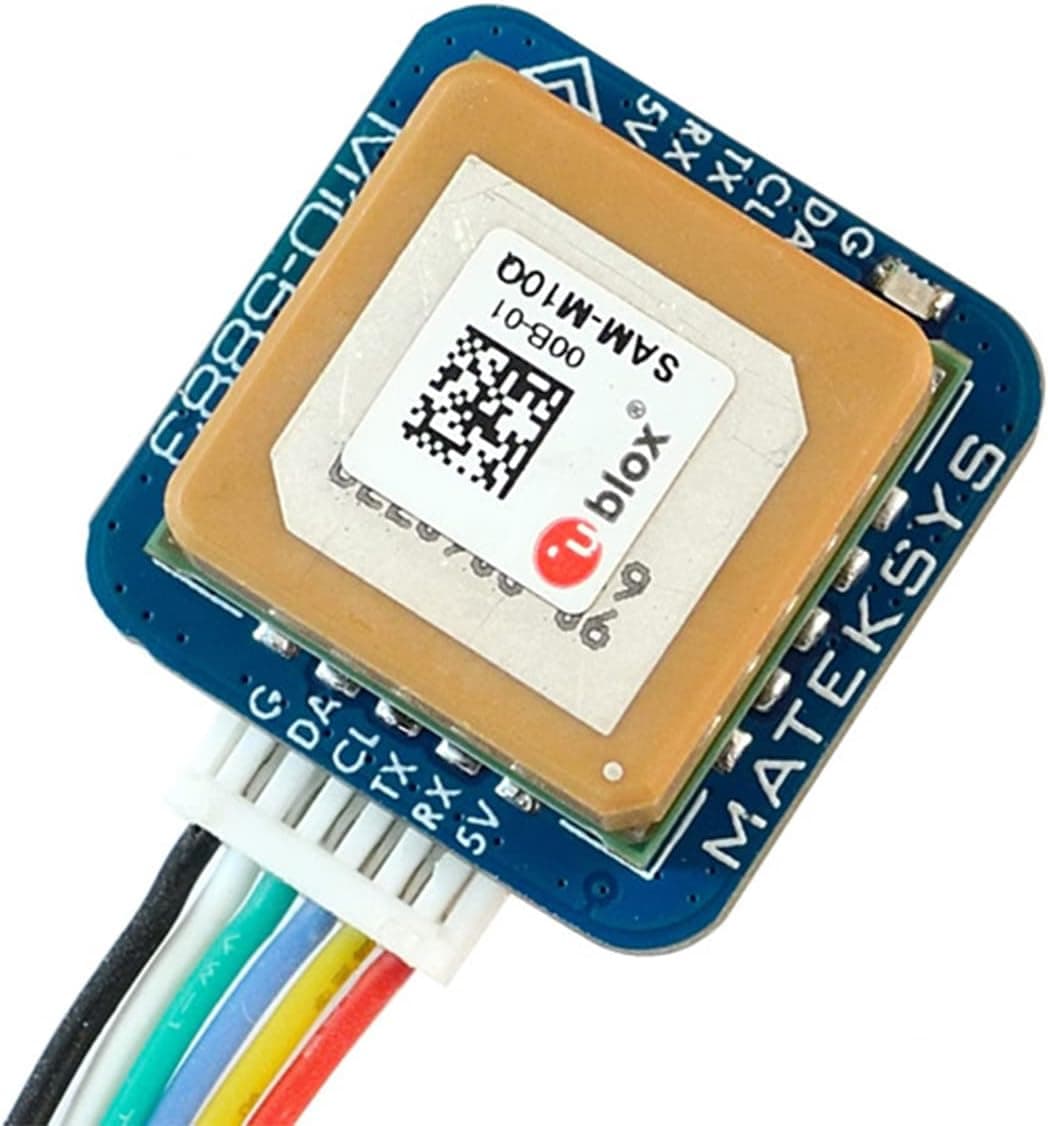
+ Ublox SAM-M10Q gives fast, reliable satellite locks
From our guide: Best GPS Modules for FPV Drones (2026)
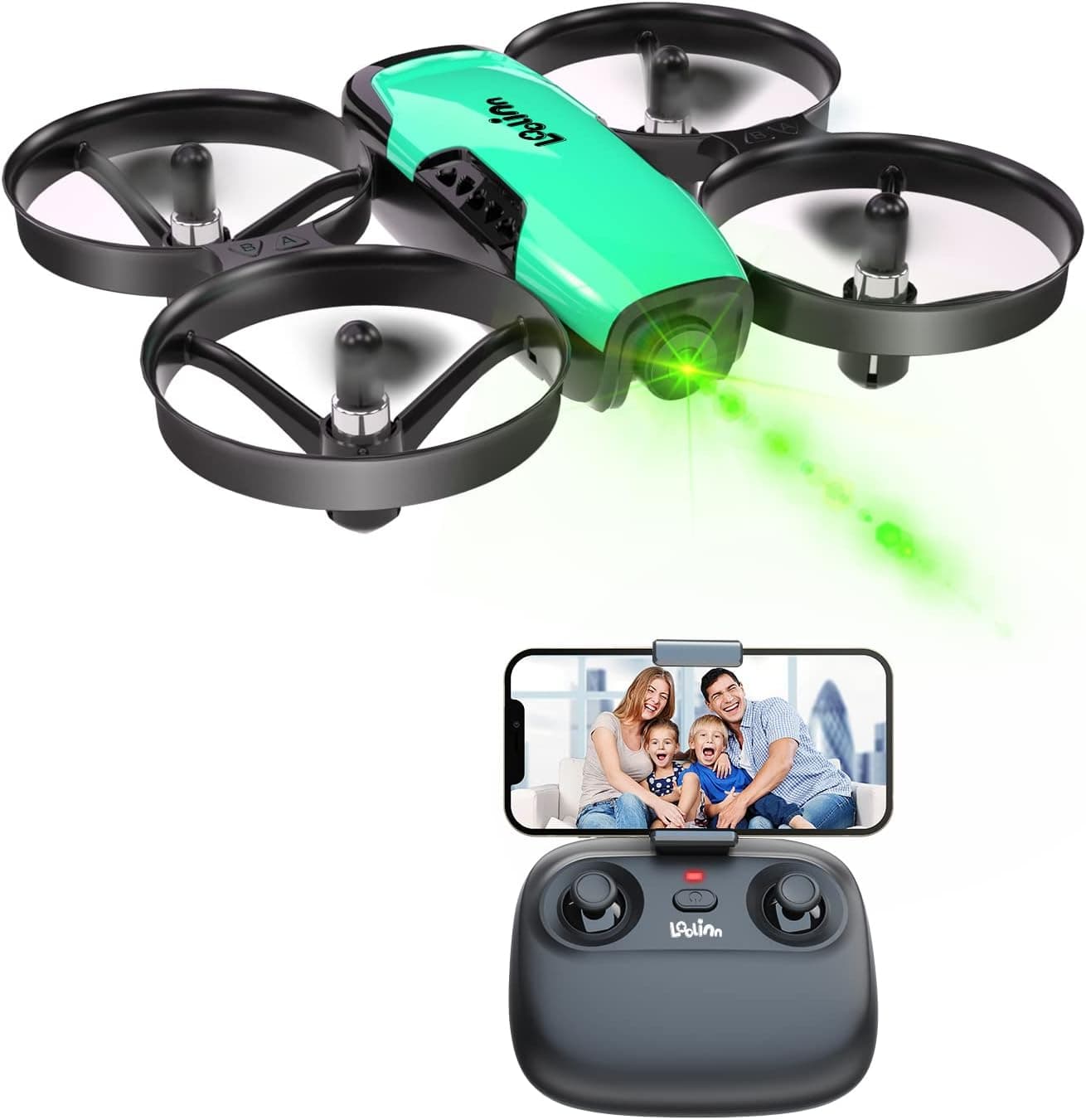
+ GPS hold and return features make outdoor flying relaxed for new pilots
From our guide: Best Beginner Drones for First-Time Pilots (2026)
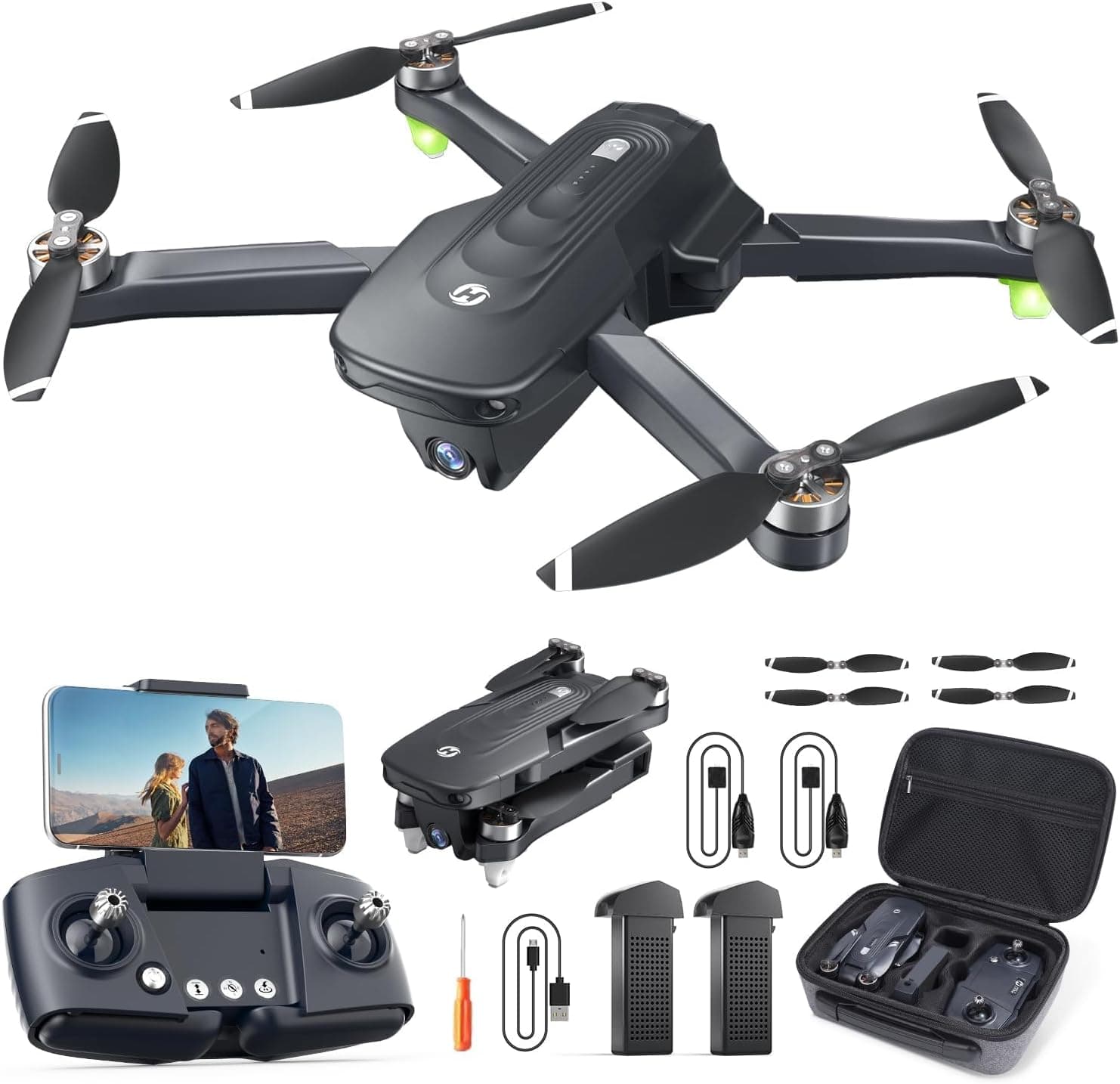
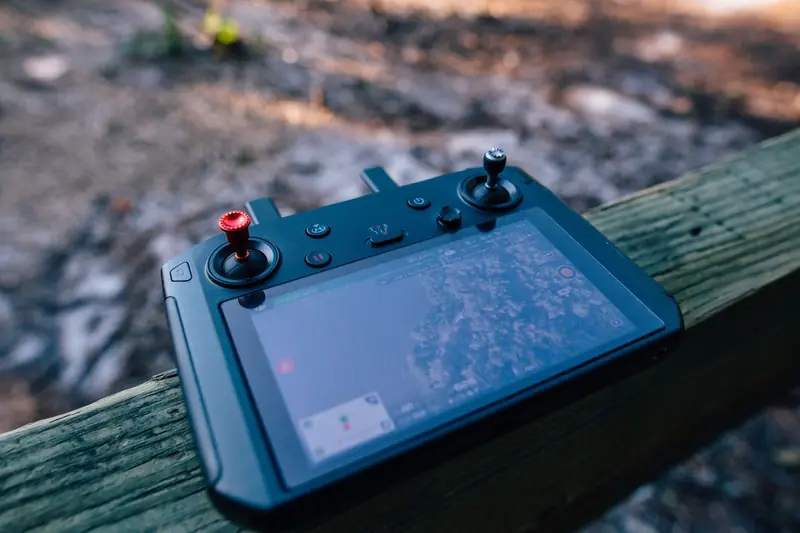
GPS-assisted mode: where most pilots spend their time
GPS-assisted mode is where most pilots spend their time, and for good reason. In this mode the drone uses satellite positioning to hold its place precisely, resisting drift and staying put when you release the sticks. This stability makes flying relaxed and forgiving, which is ideal for capturing steady footage and for beginners still building skills. Strong GPS reception is what makes this mode so dependable, so waiting for a solid lock before takeoff matters.
Attitude mode: level but drifting
Attitude mode, sometimes available when GPS is weak or disabled, keeps the drone level but does not hold its position. Without positioning assistance, the drone will drift with the wind, requiring you to actively correct and maintain your spot. This mode demands more attention and skill, but it teaches valuable manual control. Some pilots practice in this mode to become more capable, so they are prepared if GPS ever becomes unreliable mid-flight.
Sport or fast modes: speed over gentle handling
Sport or fast modes prioritize speed and responsiveness over gentle handling. In these modes the drone accelerates harder, responds more aggressively to your inputs, and often disables some of the softer, more protective behaviors. The result is exhilarating, but it also leaves less margin for error and can drain the battery faster. These modes are best used by confident pilots in open spaces, not by beginners still learning the basics.
Choosing the right mode for your goal
Choosing the right mode comes down to matching it to your goal and skill level. Use assisted modes for smooth footage and relaxed flying, practice more manual modes to grow your abilities, and reserve sport modes for when you have the space and confidence to use them safely. Understanding what each mode does, and what protections it removes, lets you fly deliberately rather than being caught off guard by unexpected behavior.
Frequently asked questions
What is GPS mode on a drone? A flight mode where the drone uses satellite positioning to hold its place precisely and resist drift, making flying relaxed and forgiving, ideal for beginners and steady footage.
What is attitude mode on a drone? A mode that keeps the drone level but does not hold position, so it drifts with wind and requires active correction, useful for practicing manual control skills.
Should beginners use sport mode? No. Sport modes prioritize speed and aggressive response with less margin for error and faster battery drain, best reserved for confident pilots in open spaces.
Why does my drone drift when GPS is weak? Without a strong GPS lock, the drone may fall back to attitude mode, which keeps it level but does not resist wind drift, requiring you to actively correct position.
Popular right now
- ESC explainedGlossary
- Understanding Drone Motors and KV RatingsArticle
- Best FPV Antennas for Stronger Range (2026)Buying guide
- Best ESCs for FPV Drones (2026)Buying guide
- Best FPV Frames for Freestyle and Racing (2026)Buying guide
- Radio Controller Modes ExplainedArticle
Based on the last 28 days of search and visitor data.