Radio Controller Modes Explained
Published How we research
Stick mode describes how the four flight controls (throttle, yaw, pitch, roll) are mapped to a transmitter's two sticks. In Mode 2, the most common layout in FPV and the Western hobby, the left stick is throttle and yaw and the right stick is pitch and roll. Mode 1 splits throttle and pitch onto opposite sticks. Neither is better; pick one, ideally Mode 2 since most tutorials and simulators assume it, and never switch back and forth. When you first pick up a drone radio, you will encounter the concept of stick modes, which describe how the flight controls are mapped to the two sticks. The two most common are Mode 1 and Mode 2, and they differ in which stick controls which movement. Understanding modes matters because it determines how you will develop muscle memory, and switching later can be disorienting. Choosing the right mode from the start makes learning smoother.
Products from this article
The highest-scoring picks from the buying guides this article links to. Scores are our editorial assessment, not customer ratings.
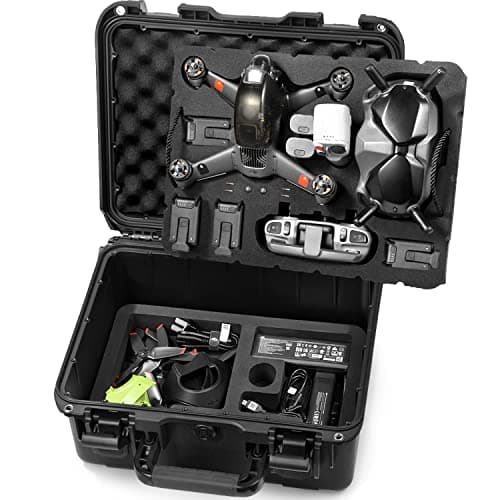
+ Foam insert holds the DJI FPV drone, five batteries, a motion controller, the FPV remote and Goggles Integra or V2.
From our guide: Best Drone Cases for Travel and Storage (2026)
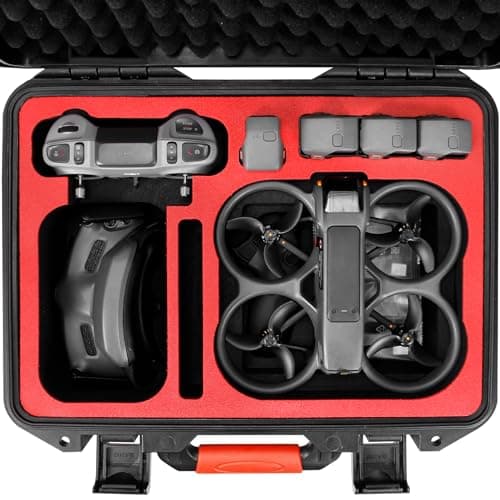
+ IP67 water and dust rating plus a hard engineering-plastic shell suit storage and trips to the beach or lake.
From our guide: Best Drone Cases for Travel and Storage (2026)
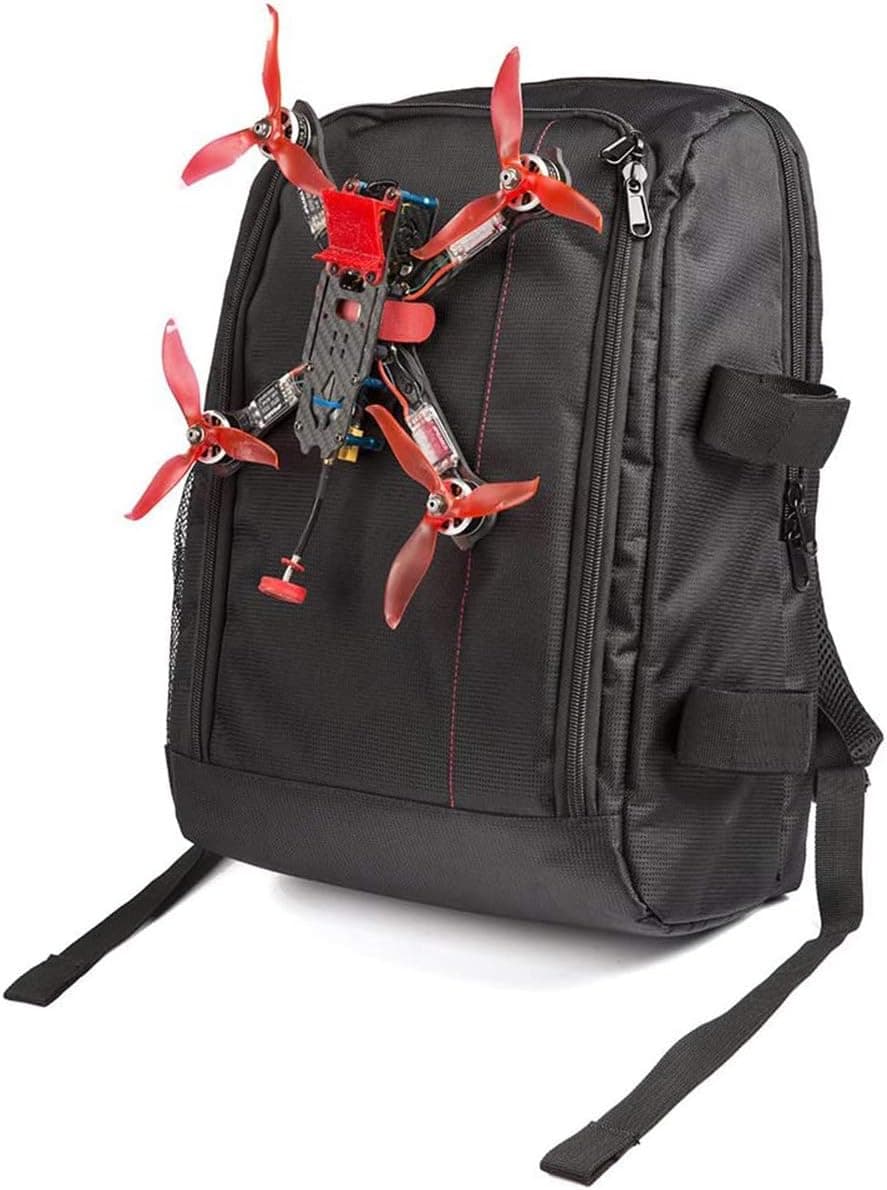
+ Fits both racing quads and small RC planes for mixed hobbyists
From our guide: Best Drone Cases for Travel and Storage (2026)
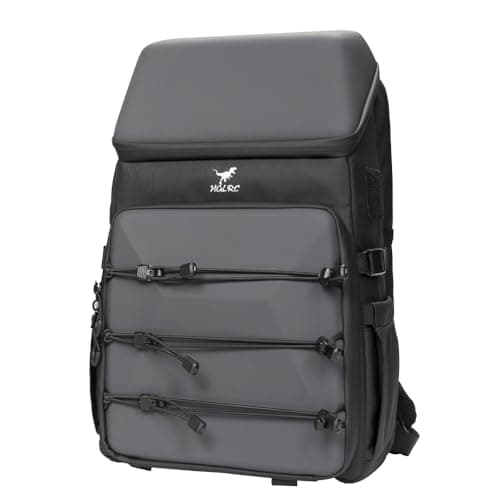
+ YKK zipper is a durable, smooth closure that lasts longer
From our guide: Best Drone Cases for Travel and Storage (2026)
The four controls on two gimbals
A drone transmitter has two gimbals, and between them they control four movements: throttle, yaw, pitch, and roll. Throttle adjusts power and climb, yaw rotates the aircraft, pitch tilts it forward and back, and roll tilts it side to side. The question that stick mode answers is simply which stick handles which of these functions. Every mode covers all four controls; they just arrange them differently.
Mode 2: the most widely used layout
Mode 2 is the most widely used layout, especially in the FPV and Western hobby communities. In Mode 2, the left stick controls throttle and yaw, while the right stick controls pitch and roll. Because throttle stays on the left and does not spring back to center, many pilots find this arrangement intuitive. The popularity of Mode 2 also means most tutorials, simulators, and community advice assume it.
Mode 1 and regional conventions
Mode 1 arranges the controls differently, placing throttle and pitch on opposite sticks compared with Mode 2. It has a strong following in some regions and among pilots who learned on it. Neither mode is inherently better; they are simply different conventions. What matters most is picking one and sticking with it long enough to build reliable reflexes, since your hands will eventually respond without conscious thought.
Choosing a mode as a newcomer
For most newcomers, choosing Mode 2 is a practical default because it aligns with the majority of learning resources and simulators. That said, if you have access to an experienced mentor who flies Mode 1 and can coach you, learning their mode has its own advantages. The important thing is to commit early, practice consistently in a simulator, and avoid switching back and forth, which slows your progress and muddles your instincts.
Frequently asked questions
What is the difference between Mode 1 and Mode 2? It is which stick controls which movement. In Mode 2 the left stick is throttle and yaw; in Mode 1 throttle and pitch are on opposite sticks. Both cover all four controls, just arranged differently.
Which radio mode should a beginner choose? Mode 2, because it aligns with the majority of tutorials, simulators, and community advice, and the non-centering throttle on the left feels intuitive to most pilots.
Can I switch stick modes later? You can, but it is disorienting because you build muscle memory in one layout. Commit early and practice consistently in a simulator rather than switching back and forth.
What do throttle, yaw, pitch, and roll do? Throttle adjusts power and climb, yaw rotates the aircraft, pitch tilts it forward and back, and roll tilts it side to side.
Popular right now
- ESC explainedGlossary
- Drone Flight Modes ExplainedArticle
- Understanding Drone Motors and KV RatingsArticle
- Best FPV Antennas for Stronger Range (2026)Buying guide
- Best ESCs for FPV Drones (2026)Buying guide
- Best FPV Frames for Freestyle and Racing (2026)Buying guide
Based on the last 28 days of search and visitor data.