Understanding Drone Camera Gimbals and How They Work
Published How we research
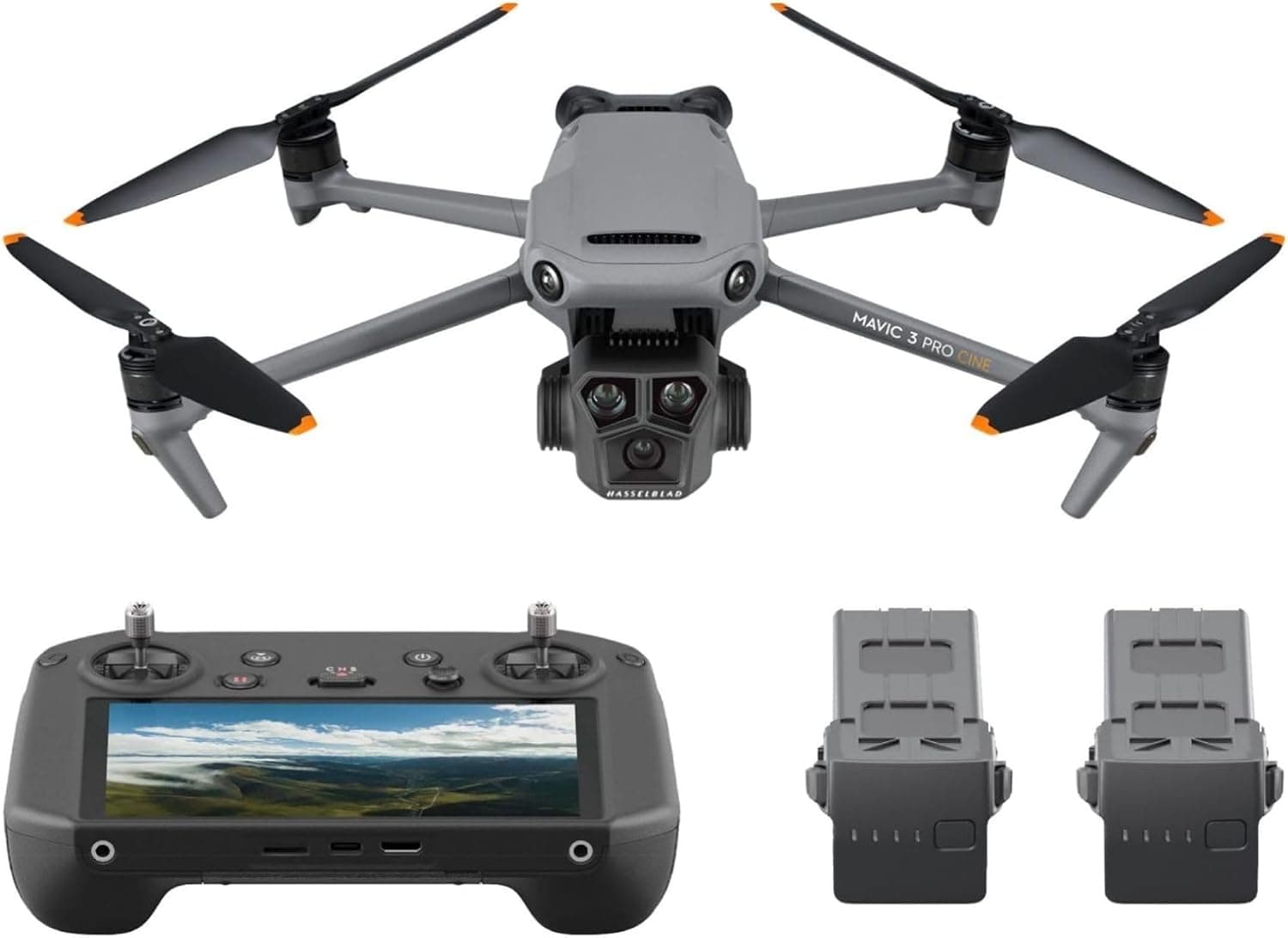
A gimbal keeps a drone camera steady during flight. Mechanical gimbals use motors to physically counter-rotate against the drone's movement for the smoothest, most cinematic results, and are the mark of a serious camera drone. Digital stabilization crops and adjusts the image in software instead, common on lighter drones but usually less smooth and it crops into the frame. Many drones combine both. Gimbals are delicate, so protect them during transport and recalibrate after any crash impact. If drone footage looks buttery smooth even as the aircraft moves through the air, a gimbal is usually the reason. A gimbal is a stabilization system that keeps the camera steady, counteracting the tilts, shakes, and vibrations of flight. Without stabilization, aerial video would be a jittery, unwatchable mess, so understanding gimbals helps you appreciate what separates cinematic drones from basic ones. It also helps you make better buying and shooting decisions.
Products from this article
The highest-scoring picks from the buying guides this article links to. Scores are our editorial assessment, not customer ratings.
+ ProRes recording keeps high image quality for color grading in professional edits
From our guide: Best Cinematic Drones for Smooth Aerial Video (2026)
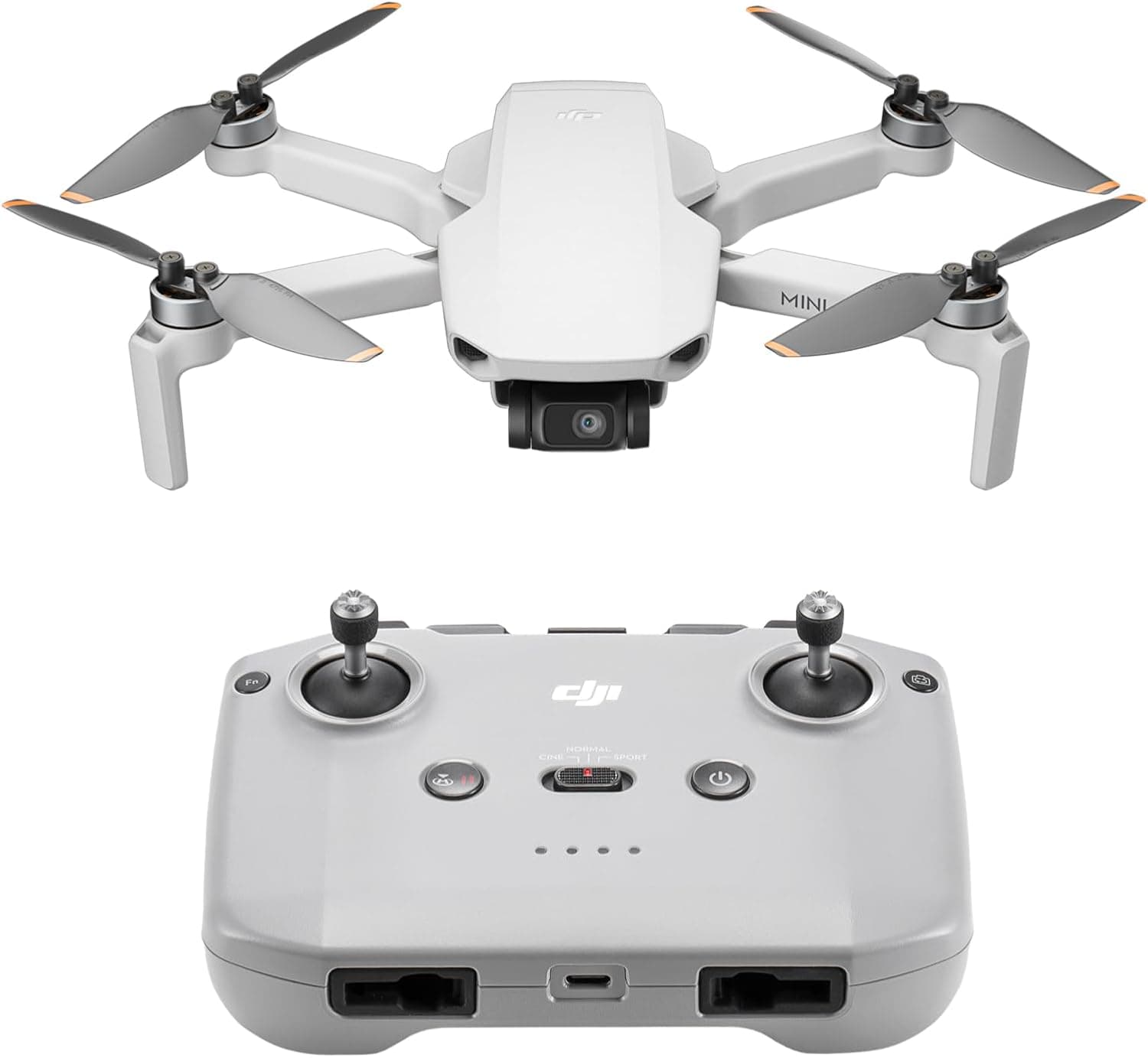
+ DJI's 3-Axis gimbal delivers smooth, level footage that budget camera drones struggle to match
From our guide: Best Camera Drones for Beginners (2026)
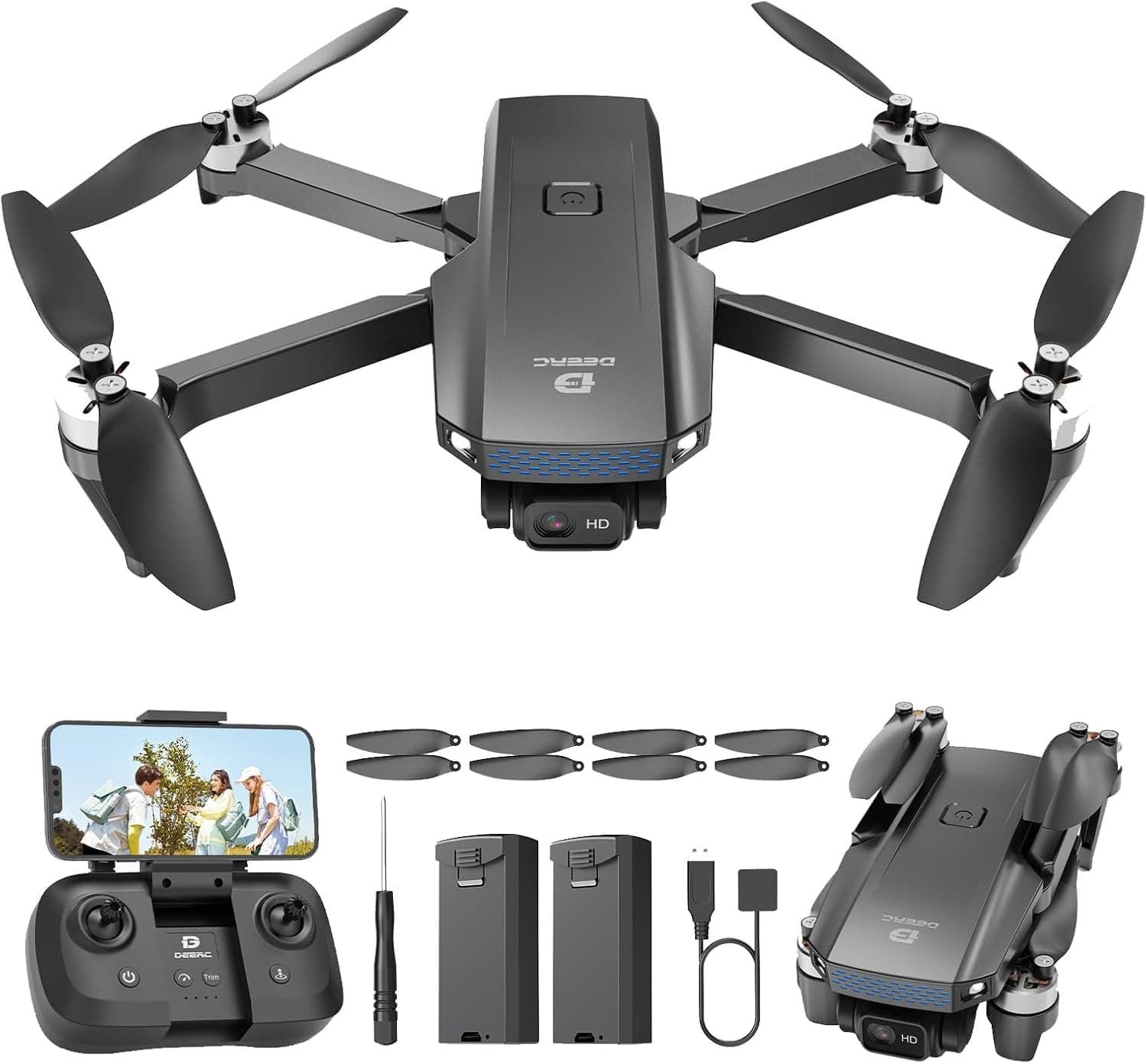
+ Brushless motor lasts longer and runs more efficiently than brushed beginner motors
From our guide: Best Beginner Drones for First-Time Pilots (2026)
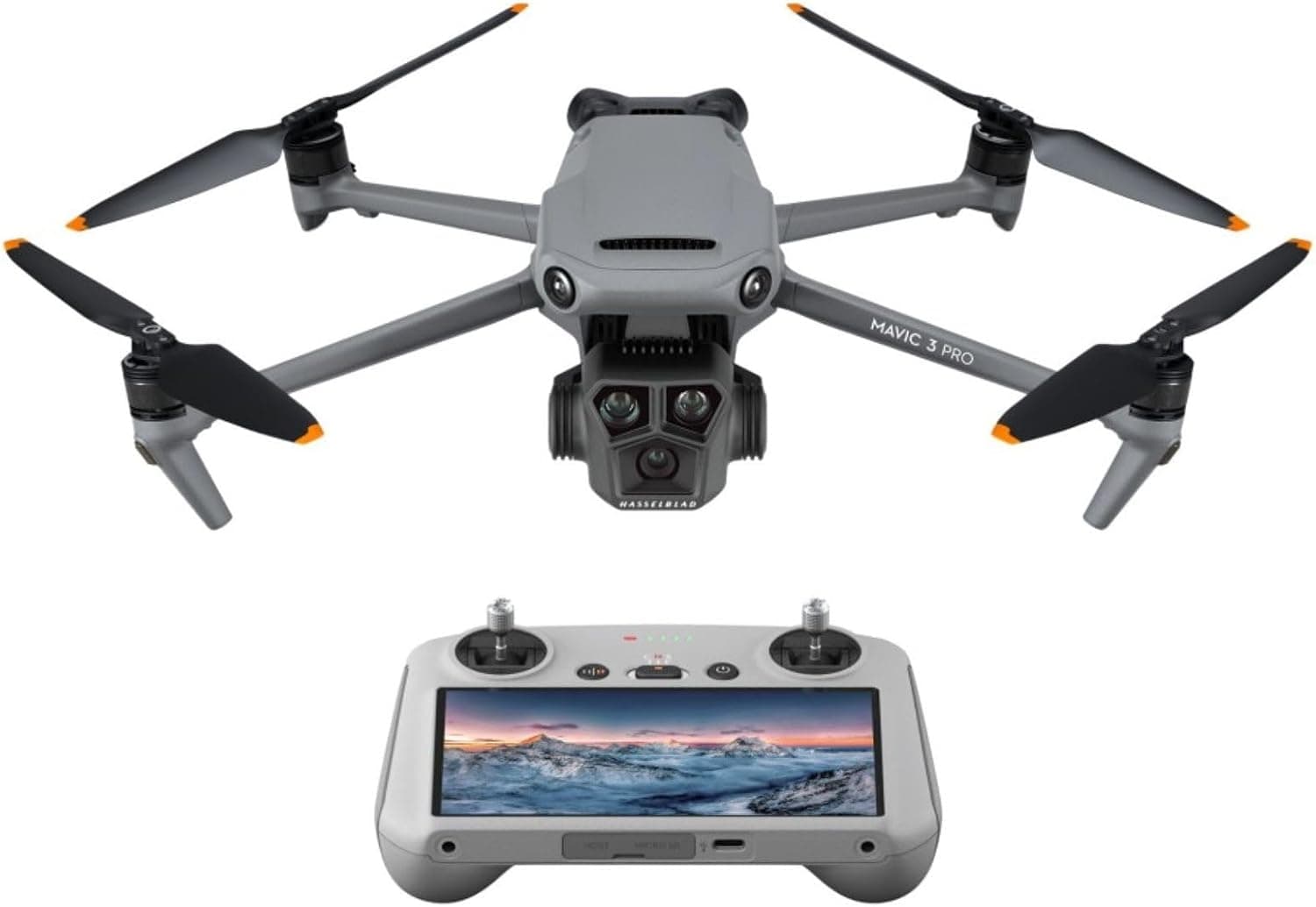
+ Hasselblad main camera produces rich color and detail for landscape shooting
From our guide: Best Cinematic Drones for Smooth Aerial Video (2026)
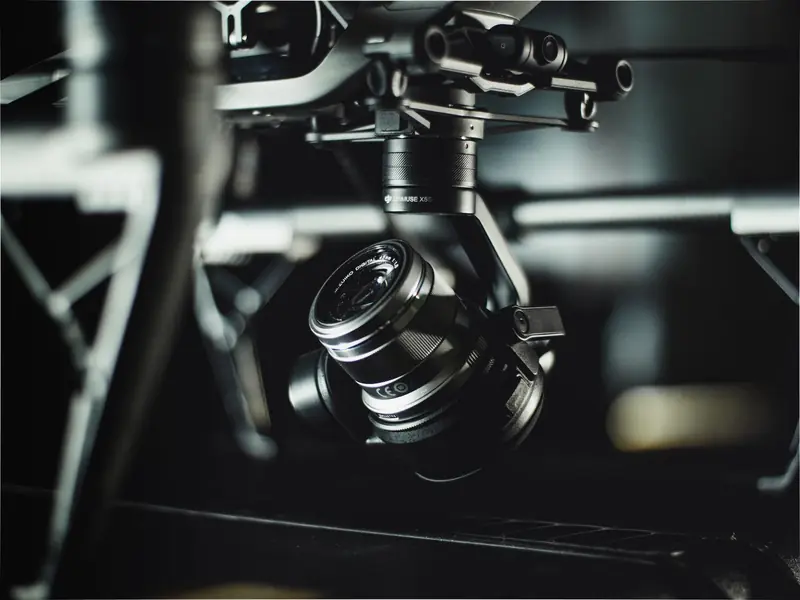
Mechanical gimbals: the gold standard for smooth footage
Mechanical gimbals are the gold standard for smooth footage. They use small motors to physically hold the camera steady, actively counter-rotating to cancel out the drone's movement. Because the camera itself stays level and stable, the resulting video is remarkably fluid even during dynamic flight. A quality mechanical gimbal is one of the most important features distinguishing a serious camera drone from a casual one, and it is worth prioritizing if smooth video matters to you.
Digital stabilization: a software alternative
Digital or electronic stabilization takes a different approach. Instead of physically moving the camera, it uses software to crop and adjust the image to reduce shake. Digital stabilization can be effective and is common on lighter or more compact drones where a full mechanical gimbal is impractical. The tradeoff is that it usually crops into the image and may not match the flawless smoothness of a good mechanical system, especially in challenging conditions.
Combining both approaches
Many drones combine both approaches for the best of both worlds. A mechanical gimbal handles the major movements while digital processing smooths out fine residual shake. This combination can produce exceptionally stable footage, and it is increasingly common as software improves. When comparing drones, it helps to know which type of stabilization each uses, since it directly affects the quality and flexibility of your footage.
Caring for your gimbal
Caring for your gimbal is part of owning a camera drone. Gimbals are delicate, precise mechanisms, so they should be protected during transport and handled gently. Many drones include a gimbal guard or clamp for storage, and using it prevents damage. If your gimbal is knocked or stressed in a crash, it may need recalibration or repair. Treating this component with care ensures your drone keeps delivering the smooth footage you bought it for.
Frequently asked questions
What does a drone gimbal do? It stabilizes the camera by physically or digitally counteracting the tilts, shakes, and vibrations of flight, producing smooth footage instead of a jittery mess.
What is the difference between mechanical and digital gimbal stabilization? Mechanical gimbals use motors to physically hold the camera steady for the smoothest results; digital stabilization crops and adjusts the image in software, which is usually less smooth and crops into the frame.
Why is my drone footage shaky despite having a gimbal? Lighter drones often rely on digital stabilization alone, which is less capable than a mechanical gimbal in challenging conditions, or the gimbal may need recalibration after a knock or crash.
How do I protect my drone's gimbal? Use the gimbal guard or clamp included for storage and transport, since gimbals are delicate precision mechanisms that can need recalibration or repair if knocked or stressed.
Popular right now
- ESC explainedGlossary
- Drone Flight Modes ExplainedArticle
- Understanding Drone Motors and KV RatingsArticle
- Best FPV Antennas for Stronger Range (2026)Buying guide
- Best ESCs for FPV Drones (2026)Buying guide
- Best FPV Frames for Freestyle and Racing (2026)Buying guide
Based on the last 28 days of search and visitor data.