Drone Propeller Basics
Published How we research
Propeller size (diameter) and pitch (theoretical forward travel per rotation) determine thrust and speed: larger diameter lifts more, higher pitch favours speed. Blade count trades efficiency for grip, two blades are smooth and efficient, three or more add responsive control favoured by freestyle and racing pilots. Rotation direction matters too, quadcopter props are matched clockwise or counterclockwise to specific motor positions to stay balanced. Inspect props regularly and replace any with nicks, cracks, or bends. Propellers are where all your drone's power meets the air, so understanding them unlocks a deeper grasp of how flight works. Every prop converts motor rotation into thrust, and small changes in propeller design produce noticeable changes in performance. Whether you fly a camera drone or a custom FPV quad, knowing the basics of propellers will help you make smarter choices and troubleshoot problems more confidently.
Products from this article
The highest-scoring picks from the buying guides this article links to. Scores are our editorial assessment, not customer ratings.
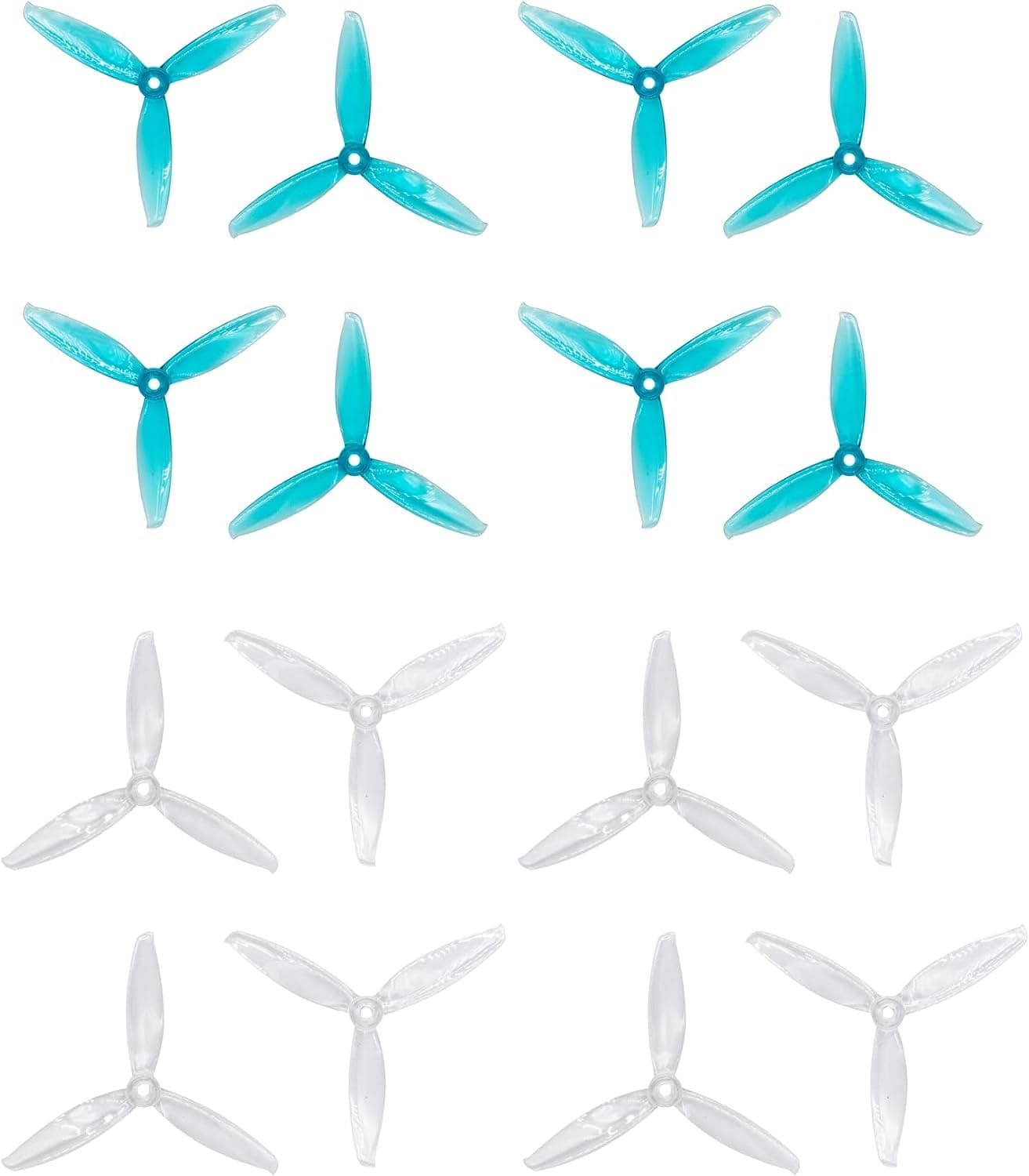
+ 16pcs gives four full sets of props for crash-heavy practice
From our guide: Best Propellers for FPV Drones (2026)
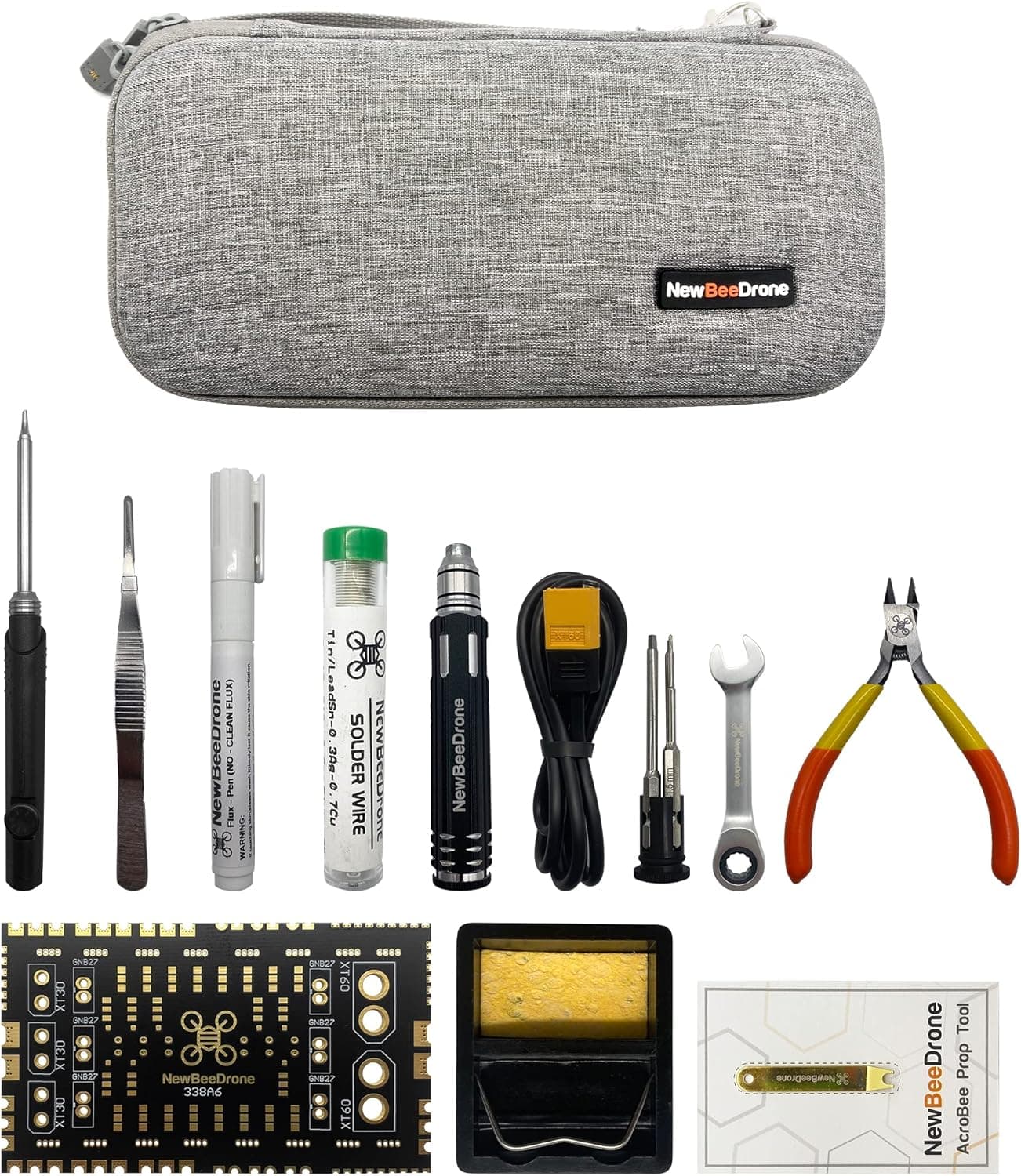
+ Practice board lets new builders learn soldering before touching a real quad
From our guide: Best Prop Tools and Nut Drivers for FPV (2026)
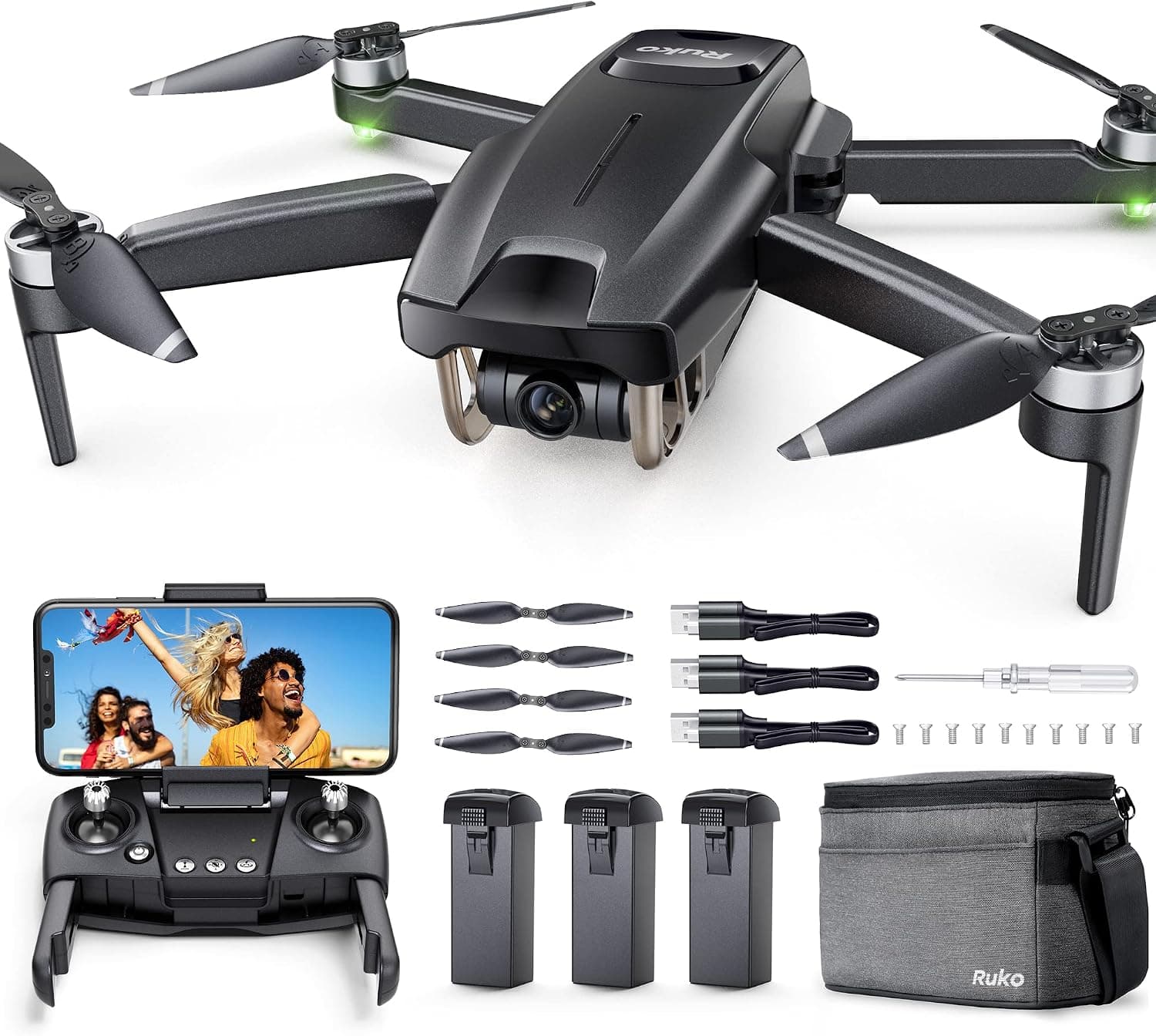
+ 90 Min of listed flight time across batteries allows long filming days
From our guide: Best Brushless Drones for Power and Longevity (2026)
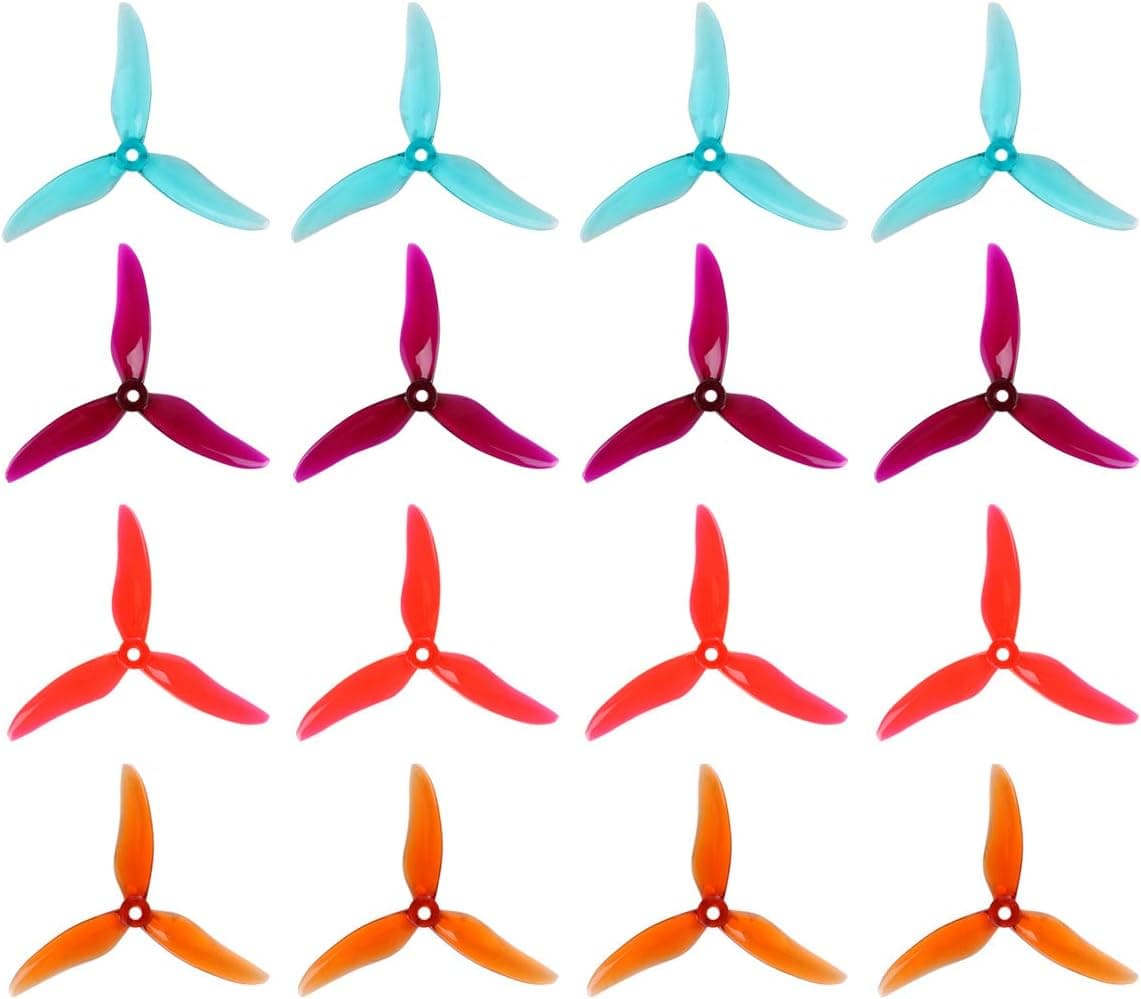
+ 10 Pairs is a bulk supply of props for many sessions
From our guide: Best Propellers for FPV Drones (2026)
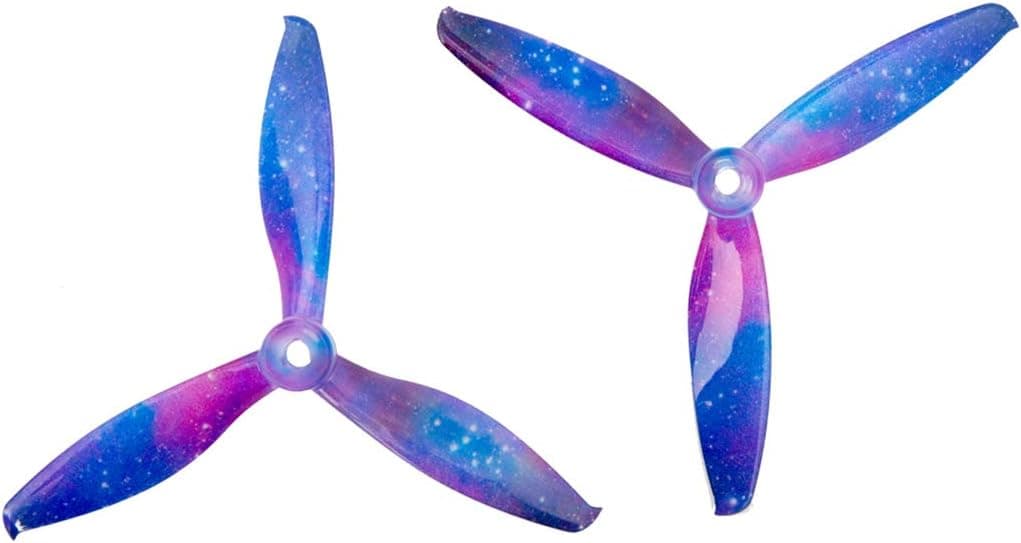
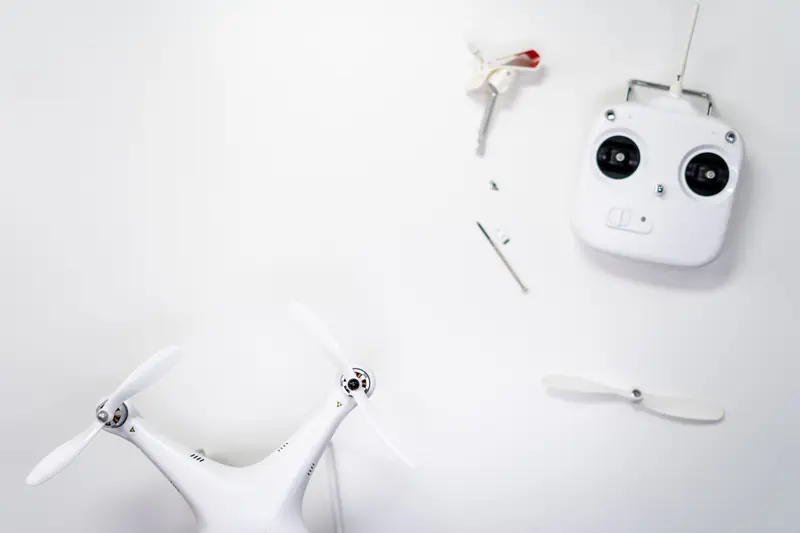
Size and pitch: the two headline numbers
Size and pitch are the two headline numbers you will see on any propeller. Size refers to the diameter of the disc the prop sweeps, while pitch describes how far the prop would theoretically travel forward in one rotation. A larger diameter generally moves more air and can lift more, while higher pitch tends to favor speed. These characteristics interact with your motors and battery, so props are always chosen as part of a system rather than in isolation.
Blade count changes the character of a propeller
Blade count changes the character of a propeller as well. Two-blade props are efficient and popular for their smoothness, while three-blade and higher counts trade some efficiency for extra grip and control. More blades can provide more responsive handling and a locked-in feel, which some freestyle and racing pilots prefer. The right choice depends on your flying style and the balance you want between efficiency and control.
Rotation direction is often overlooked
Rotation direction is a detail beginners often overlook. On a typical quadcopter, propellers spin in opposite directions in a specific pattern to keep the aircraft balanced and stable. Props are usually marked or shaped for clockwise or counterclockwise rotation, and installing one in the wrong position will cause the drone to behave erratically or refuse to fly. Always match each prop to its correct motor position.
Material, condition, and inspecting your props
Material and condition affect safety and performance too. Propellers take a beating and can develop nicks, cracks, or bends that create vibration and reduce efficiency. Inspect your props regularly and replace any that are damaged, since a compromised prop can fail in flight. Because props are inexpensive and wear out, keeping a supply of spares on hand is one of the smartest habits a pilot can build.
Frequently asked questions
What does propeller pitch mean on a drone? How far the prop would theoretically travel forward in one rotation. Higher pitch tends to favour speed, while larger diameter generally moves more air and lifts more.
Do more propeller blades make a drone better? Not universally. Two-blade props are efficient and smooth; three-blade and higher counts trade some efficiency for extra grip and a more locked-in, responsive feel favoured by freestyle and racing pilots.
Why won't my drone fly correctly after changing propellers? A propeller is likely installed on the wrong motor position. Quadcopter props are marked for clockwise or counterclockwise rotation in a specific pattern to keep the aircraft balanced.
How often should I replace drone propellers? Whenever you spot nicks, cracks, or bends. A compromised prop creates vibration, reduces efficiency, and can fail in flight, and since props are inexpensive, keeping spares on hand is smart.
Popular right now
- ESC explainedGlossary
- Drone Flight Modes ExplainedArticle
- Understanding Drone Motors and KV RatingsArticle
- Best FPV Antennas for Stronger Range (2026)Buying guide
- Best ESCs for FPV Drones (2026)Buying guide
- Best FPV Frames for Freestyle and Racing (2026)Buying guide
Based on the last 28 days of search and visitor data.