Long-Range FPV Flying Basics
Published How we research
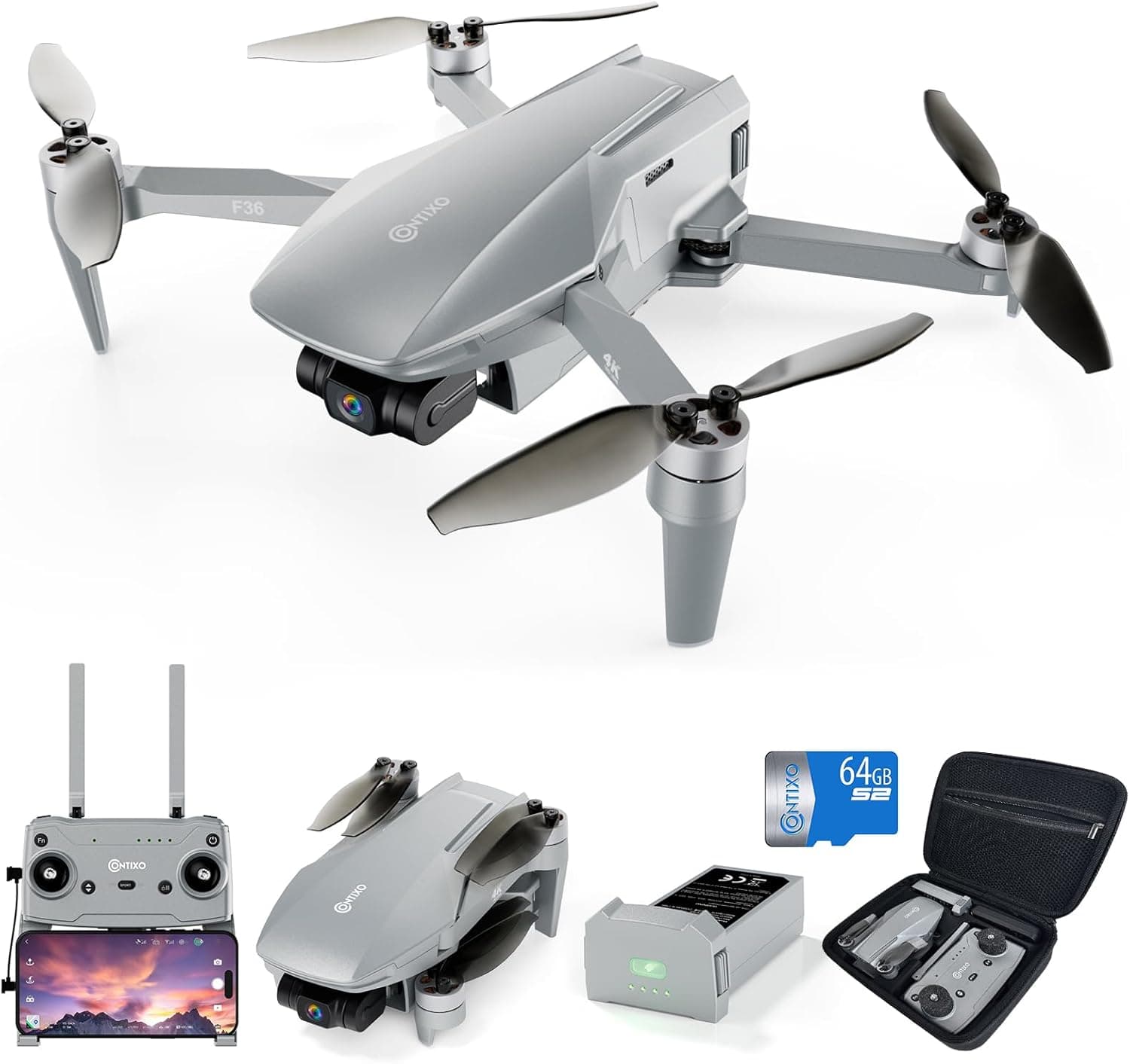
Long-range FPV flying takes you far beyond the backyard, letting you explore landscapes and cover distance in a way that is genuinely exhilarating. It is also a discipline that demands respect, preparation, and solid fundamentals, because the farther you fly, the higher the stakes if something goes wrong. Before venturing into long range, it is important to build the mindset and skills that keep these flights safe and enjoyable rather than stressful.
Products from this article
The highest-scoring picks from the buying guides this article links to. Scores are our editorial assessment, not customer ratings.
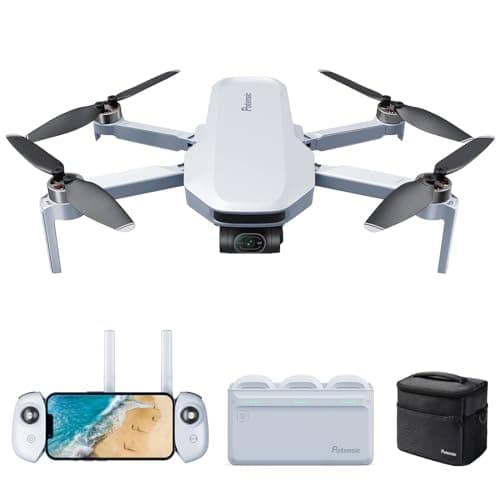
+ PixSync 3.0 transmission is listed with up to 6 km (20,000 ft) of range and stronger anti-interference.
From our guide: Best Long-Range Drones for Distance Flying (2026)
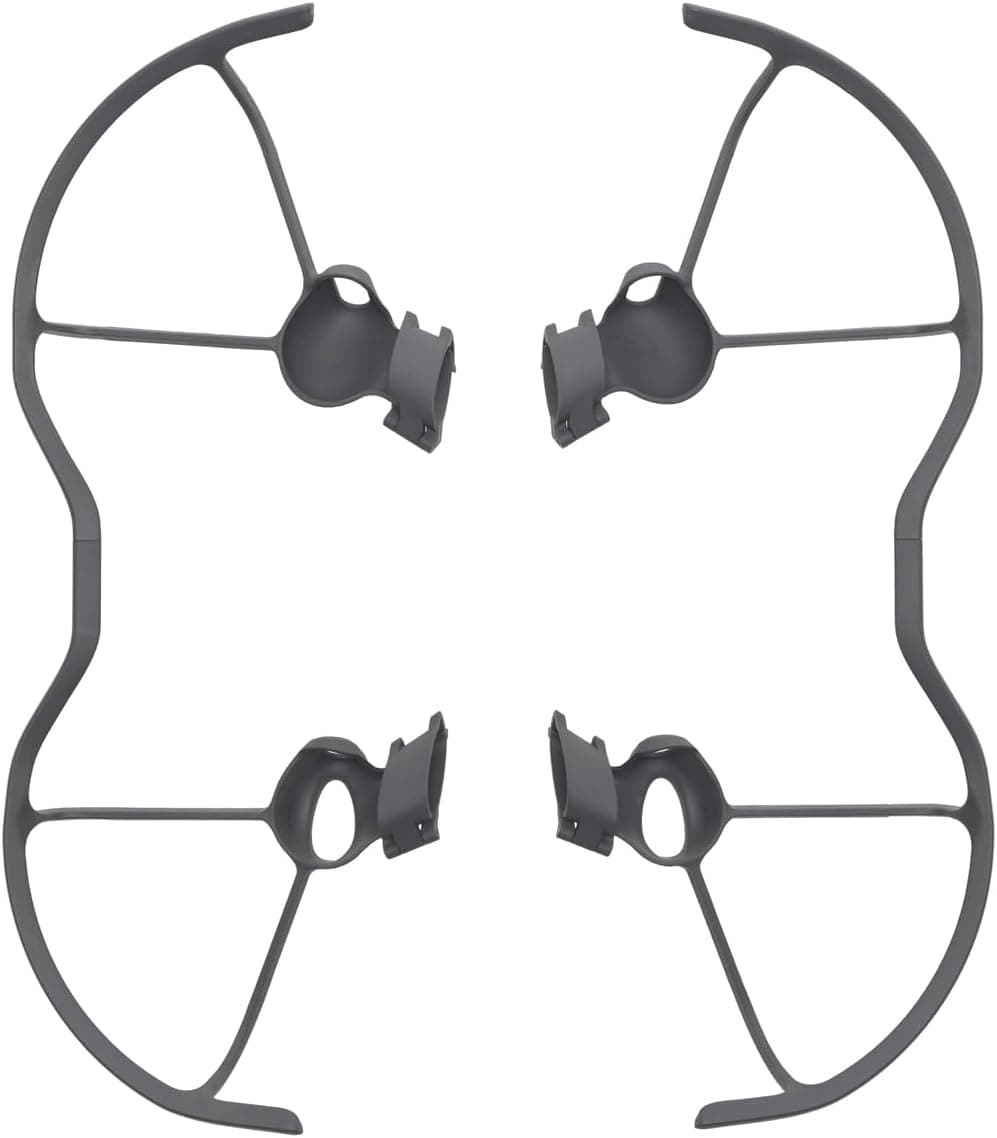
+ Official DJI part fits the DJI FPV drone without modification
From our guide: Best Prop Guards for FPV Drones (2026)
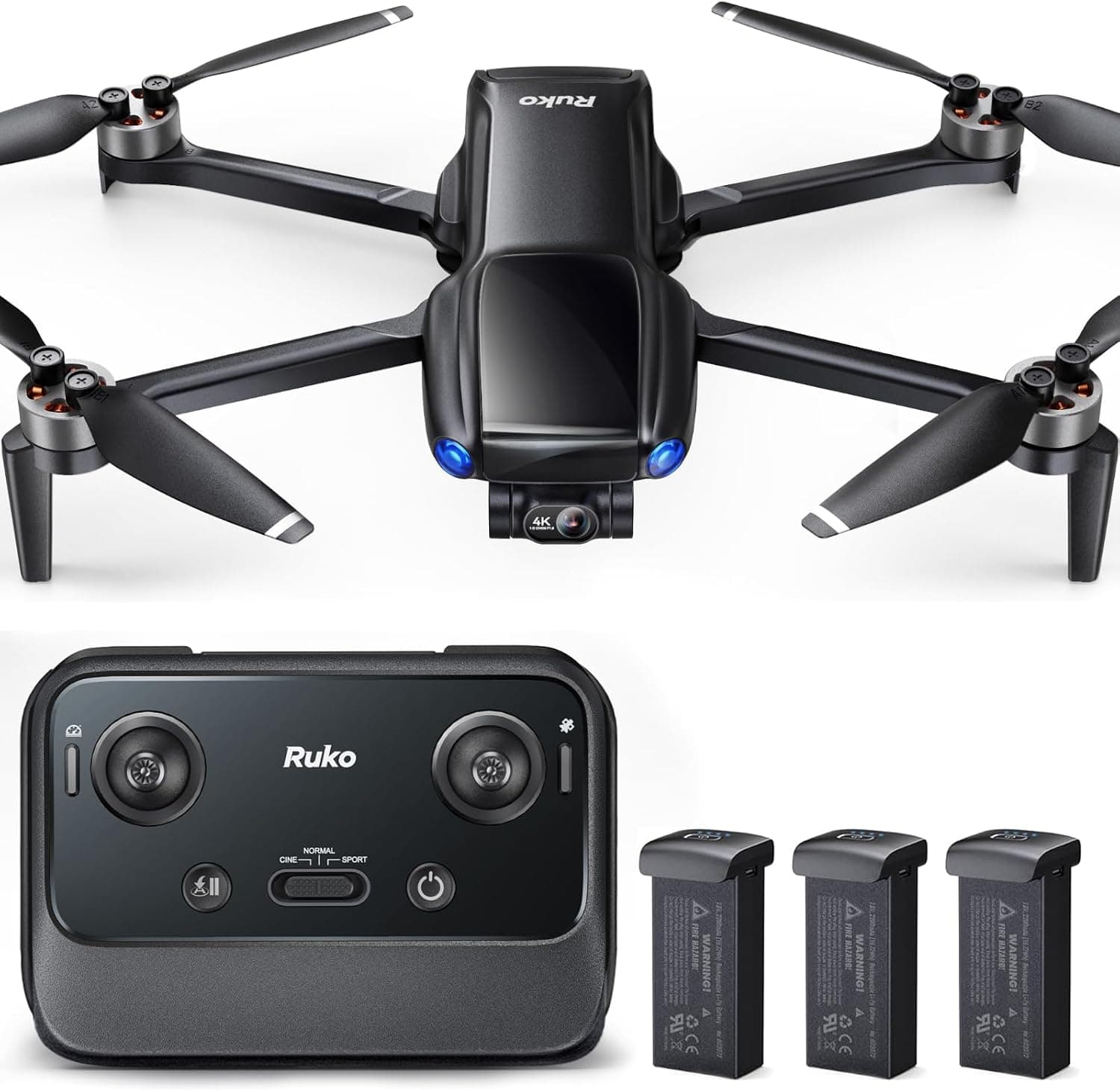
+ 3-Axis brushless gimbal stabilizes the camera, so video stays smooth in light wind
From our guide: Best Long-Range Drones for Distance Flying (2026)
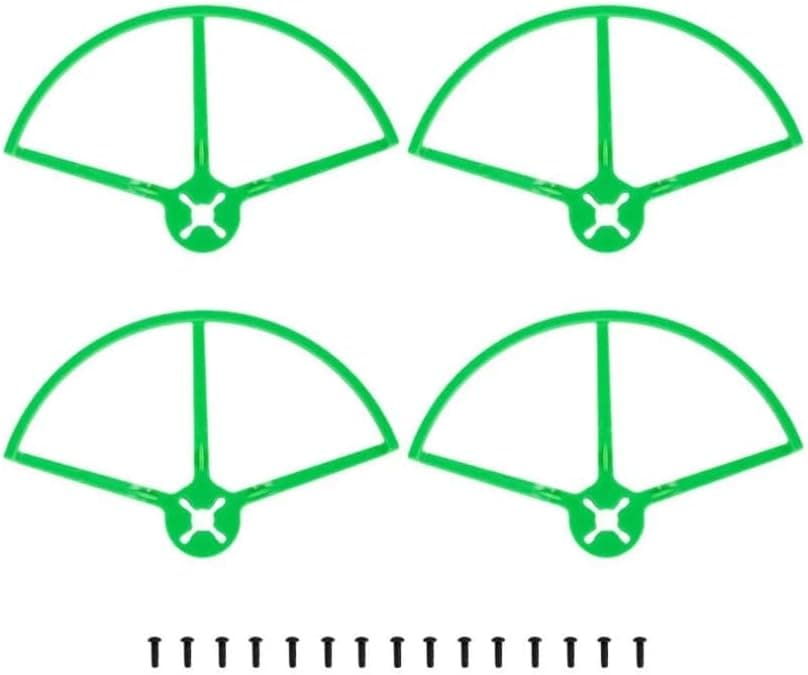
+ Fits 22 series motor mounts used on many 5 Inch quads
From our guide: Best Prop Guards for FPV Drones (2026)
The first principle is that long range is earned, not rushed. You should be a confident, competent pilot before flying far from yourself, because recovering from problems at distance is much harder than close to home. Mastering stable flight, smooth control, and reliable orientation near you builds the foundation. Only once those skills are second nature does it make sense to start extending your range gradually and deliberately.
Equipment reliability becomes paramount at distance. Long-range flying places greater demands on your video link, radio link, and battery endurance, since a weak signal or a drained pack far away can end in a lost aircraft. Pilots who fly long range pay close attention to their antennas, signal strength, and how much battery they reserve for the return trip. Redundancy and margin, rather than pushing every limit, are the hallmarks of safe long-range flight.
Planning and situational awareness protect both you and others. Before a long flight, consider the terrain, potential obstacles, airspace restrictions, and where you could safely land if needed. Keeping track of your battery and signal throughout the flight lets you turn back with margin to spare rather than gambling on making it home. Many long-range pilots treat the return journey as the priority from the moment they take off.
Finally, respect the legal and ethical dimensions. Flying far can push against rules about keeping your aircraft within visual line of sight, so understand what is permitted where you fly and never assume distance is consequence-free. Fly over safe, unpopulated areas, avoid sensitive locations, and prioritize the safety of people below. Approached with patience and preparation, long-range flying rewards you with unforgettable views and a deep sense of accomplishment.
Popular right now
- ESC explainedGlossary
- Drone Flight Modes ExplainedArticle
- Understanding Drone Motors and KV RatingsArticle
- Best FPV Antennas for Stronger Range (2026)Buying guide
- Best ESCs for FPV Drones (2026)Buying guide
- Best FPV Frames for Freestyle and Racing (2026)Buying guide
Based on the last 28 days of search and visitor data.