Ruko U11MINI Drone with 4K UHD Camera, 3-Axis Brushless Gimbal, Under 249g Review (2026)
Updated September 14, 2026 · Research-based review
Our verdict
Ruko's U11MINI suits travel flyers who want a pocket-sized 4K camera drone that skips FAA registration. Its 3-Axis brushless gimbal is the standout, and three batteries add up to a generous total flying time. The trade-off is a light airframe that gusts push around. Our score is 8.4 out of 10.
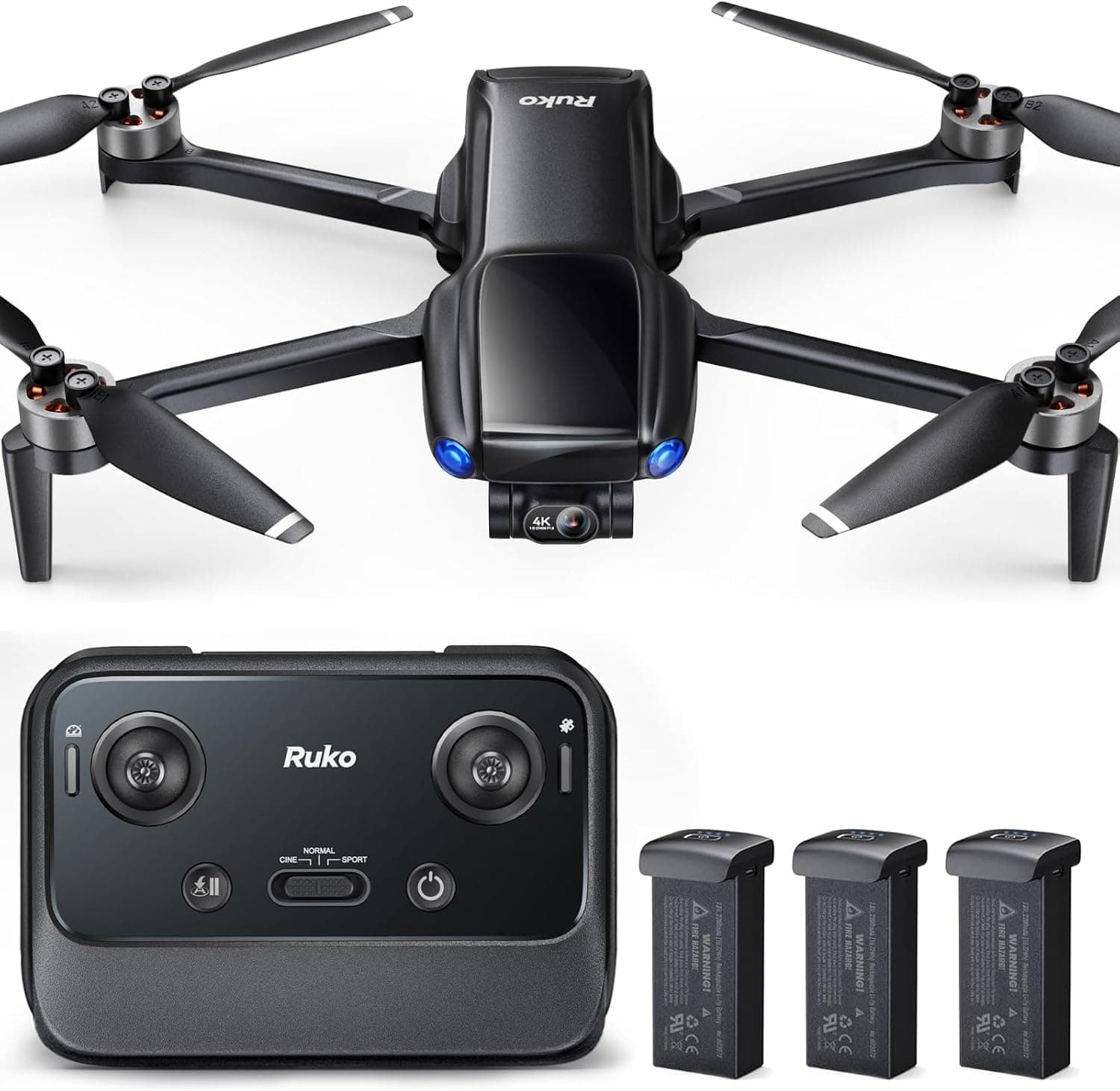
Ruko's U11MINI is an under 249g camera drone with 4K UHD video and a 3-Axis brushless gimbal for smooth aerial footage.
Price range: See on Amazon
What we liked
- + 3-Axis brushless gimbal stabilizes the camera, so video stays smooth in light wind
- + Under 249g weight keeps it in the lightest class, which simplifies casual flying in many places
- + 4K UHD camera suits travel clips and landscape shots without a bulky airframe
Trade-offs
- - Lightweight airframe is more affected by gusts than heavier camera drones
- - Ruko's app and camera processing are less refined than premium drone brands
Who the U11MINI is built for
The U11MINI targets beginners, travelers and casual aerial photographers who want real 4K footage without carrying a bulky rig or dealing with FAA Remote ID registration, since Ruko lists the airframe at under 249g. Ruko markets it as a mini pocket sized drone, small enough to slip into a jacket pocket or day bag, which fits people who fly occasionally on hikes, road trips or weekend outings rather than dedicated hobbyists building a fleet. The 3-Axis brushless gimbal with electronic image stabilization is the headline feature, aimed at buyers who want smoother footage than a basic 2-axis or software stabilized budget drone can deliver. Anyone who wants interchangeable lenses, RAW photo workflows or a rugged airframe built for wind should look toward heavier, pricier camera drones instead, since this model is built around portability and ease of use rather than professional grade imaging.
Camera, gimbal and flight specs explained
Ruko specs the U11MINI with a 1/2 inch CMOS sensor around 48 megapixels, capturing 8K photos and 4K video at 30 frames per second, figures that are respectable for a sub 249g drone. The 3-Axis brushless gimbal physically counters flight vibration on three axes, then EIS smooths the remaining shake in software, which together explain why the footage looks steadier than drones relying on digital stabilization alone. Ruko rates the image transmission system at up to 20000 feet, far beyond the distance most casual pilots will actually fly, so it exists mainly as headroom rather than a limit you will bump into. The package includes three batteries, and Ruko lists a combined flight time of 96 minutes across all three, meaning each individual battery lasts a fraction of that and needs swapping between charges rather than one continuous long flight.
Living with a pocket sized camera drone
Because the U11MINI folds down to a compact size, storage and travel are straightforward, and Ruko's quadruple positioning system is designed to help it hold a stable hover for takeoff even for first time pilots. GPS auto return and GPS follow give beginners a safety net, bringing the drone back automatically on a weak signal or low battery rather than requiring manual recovery. Ruko notes that new pilots should fly above about 15 meters at first, since low altitude flying in tight spaces is where beginners most often clip obstacles. Expect to rotate through the three included batteries during a single outing, charging spares while flying, rather than treating this as an all day single charge drone. Keep the gimbal guard on during transport and storage, since exposed 3-axis gimbals are one of the more fragile parts on any small camera drone.
Trade-offs against Ruko's own lineup and DJI
In the site's long-range drones guide the U11MINI ranks first of seven, ahead of the Ruko U11PRO, which trades the brushless gimbal for a longer rated 52 minute single session and FAA Remote ID compliance instead. In the camera drones guide it sits fourth of seven, behind three DJI Mini models including the DJI Mini 4K, which pairs a similar under 249g weight and 3-Axis gimbal with DJI's more established flight app and image processing pipeline. The honest trade-off is that Ruko's app and camera tuning are less refined than DJI's, and the light airframe common to sub 249g drones is more easily pushed around by wind than heavier gimbal drones with more mass to resist gusts. Buyers choosing between the U11MINI and the U11PRO should weigh smoother gimbal footage against longer per session flight time, since Ruko designed the two models around different priorities.
Verdict and who should pick something else
The U11MINI earns its place as a beginner friendly, travel ready camera drone thanks to the 3-Axis brushless gimbal, 4K video and a weight class that avoids FAA registration, backed by three batteries for a full outing of flying. It fits people who want smooth, shareable aerial clips without learning a complex professional platform first. Pilots who fly regularly in windy or coastal conditions should expect more drift and correction than with a heavier drone, and anyone chasing DJI level app polish or image processing should budget for a DJI Mini model instead. For casual, portable 4K flying with real gimbal stabilization, the U11MINI remains a strong pick in its class.
Frequently asked questions
Does the Ruko U11MINI need FAA registration?
Ruko lists the U11MINI at under 249g, which Ruko markets as exempt from FAA drone registration for recreational flying, though pilots should confirm current FAA rules for their own use case before flying.
How long can the U11MINI fly on a single charge?
Ruko rates the three included batteries at a combined 96 minutes of flight time, which means each individual battery covers a shorter session and needs swapping to reach the full total.
Does the U11MINI have a real camera gimbal or just software stabilization?
It uses a 3-Axis brushless gimbal that physically counters vibration on three axes, combined with electronic image stabilization, which is a step above drones that rely on EIS alone.
How does the U11MINI compare with the Ruko U11PRO?
The U11MINI adds a 3-Axis brushless gimbal for smoother footage, while the U11PRO focuses on FAA Remote ID compliance and a longer rated single flight session, so the choice depends on whether stabilized video or longer range flying matters more.
Prices change often, so check the current price and availability on Amazon.
Check price on AmazonDrone FPV Lab may earn a commission from the link above.