DJI Goggles 3 FPV Goggles with Micro-OLED Screens, O4 HD Video Transmission Review (2026)
Updated September 20, 2026 · Research-based review
Our verdict
The DJI Goggles 3 suit pilots flying DJI Avata 2 or other O4-compatible DJI drones who want DJI's sharpest current headset. The main strength is the Micro-OLED screens paired with low latency O4 video, and the main trade-off is a premium price that is hard to justify for pilots who only fly analog quads.
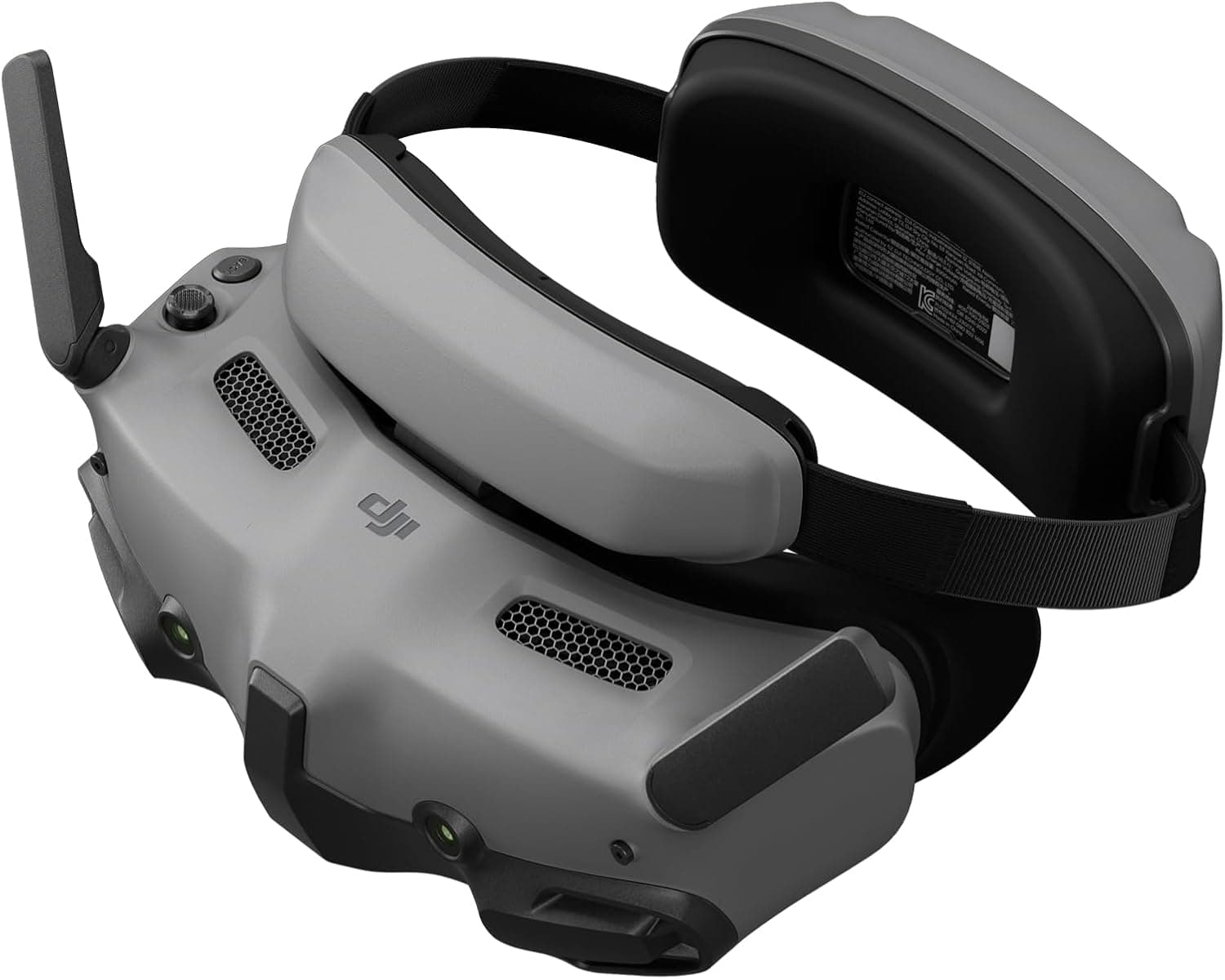
DJI Goggles 3 with Micro-OLED screens and O4 HD video transmission, DJI's current headset for Avata 2 and O4 drones.
Price range: See on Amazon
What we liked
- + Micro-OLED screens give deep blacks and sharp detail for immersive flying
- + O4 HD video transmission offers a strong, low latency link with newer DJI drones
- + Current generation support means the widest compatibility with new DJI FPV gear
Trade-offs
- - Not backward compatible with every older DJI FPV drone, so check your model
- - Premium price is high for pilots who only fly analog quads
Who the Goggles 3 are for
The Goggles 3 are built around DJI's O4 video transmission system, which makes them the clearest choice for pilots flying the Avata 2 or other current DJI drones that share the O4 standard. Anyone already invested in DJI's newest digital ecosystem and wanting the sharpest screens DJI currently offers will find these goggles a natural fit, since they represent DJI's top consumer FPV headset rather than a mid-tier option. Pilots flying analog quads, or older DJI drones that predate O4, are not the target audience, since the goggles are built around a different video standard entirely and offer little benefit without O4-compatible hardware to pair with. Newer pilots building a DJI-first setup from scratch will get the most long-term value, since the goggles are positioned to support DJI's current and future O4 drone lineup.
Display and image quality
Each eye gets its own Micro-OLED screen at 1920 by 1080 resolution with a refresh rate reaching up to 100Hz, and the field of view sits around 44 degrees per screen, a tighter, more focused view than some wider analog goggle setups but one that keeps the image sharp and detailed. OLED technology delivers deeper blacks and stronger contrast than the LCD panels found in many older or cheaper goggles, which shows up clearly in scenes with strong shadows or night flying. Diopter adjustment built into the goggles covers a wide range, letting pilots with glasses fly without wearing them underneath the headset, and interpupillary distance is also adjustable to fit different face widths comfortably.
Video transmission and latency
Paired with the DJI Avata 2, the O4 video system delivers latency as low as 24 milliseconds along with a high video bitrate, giving a smooth, responsive feed that suits both freestyle flying and more controlled cinematic shots. Maximum transmission range reaches several kilometers under ideal, unobstructed conditions, though real-world range varies with interference, terrain, and local radio regulations. This combination of low latency and strong range places the Goggles 3 among DJI's most capable consumer headsets for maintaining a stable link at distance, which matters most to pilots who regularly fly beyond visual range or in areas with radio congestion from other devices.
Comfort and design
DJI integrates the battery into the headband itself on the Goggles 3, which helps distribute weight more evenly across the head compared to goggles with a separate battery pack, and the overall unit weighs under half a kilogram with the battery included. Battery runtime reaches several hours per charge under standard conditions, long enough for a full session of flying without needing a spare battery for most pilots. A Real View picture-in-picture feature lets pilots glimpse their physical surroundings without fully removing the headset, adding a safety and convenience option that is useful when someone approaches or when checking the immediate area during a flying session.
Price and compatibility trade-off
As DJI's current flagship consumer FPV headset, the Goggles 3 carry a premium price compared to older DJI goggles or third-party digital options, and that price is easiest to justify for pilots who are also flying O4-compatible drones and want the matching top-tier experience. Pilots with older DJI drones built around earlier video standards should confirm compatibility carefully, since the Goggles 3 are designed around O4 and are not guaranteed to work with every previous-generation DJI digital drone. For someone assembling a new DJI setup around Avata 2 or similar current hardware, the goggles represent the sharpest screen and lowest latency DJI currently offers, but that quality comes at a cost that budget-focused pilots may find hard to accept.
Frequently asked questions
What is the field of view on the DJI Goggles 3?
Each screen offers roughly a 44 degree field of view at 1920 by 1080 resolution with up to 100Hz refresh rate.
What is the latency with the DJI Avata 2?
Paired with the Avata 2, DJI states latency as low as 24 milliseconds using the O4 video transmission system.
How long does the battery last?
DJI states approximately 3 hours of runtime per charge under standard test conditions, with the battery built into the headband.
Do these goggles work with every DJI drone?
They are built around the O4 video standard, so compatibility with older DJI drones on earlier video systems should be confirmed before buying.
Prices change often, so check the current price and availability on Amazon.
Check price on AmazonDrone FPV Lab may earn a commission from the link above.