Caddx Ratel 2 FPV Camera 1200TVL NTSC/PAL 16:9/4:3 Super WDR Micro Camera Review (2026)
Updated September 14, 2026 · Research-based review
Our verdict
A micro analog FPV camera with a 1/1.8 inch Starlight sensor, Super WDR and switchable 16:9 or 4:3 output, built for pilots flying into bright skies or fading light. Low light sensitivity and dynamic range are genuinely strong for the category, but confirm mount compatibility given its micro footprint.
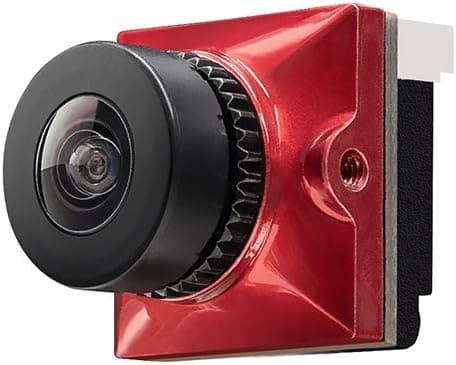
Caddx Ratel 2 FPV camera with 1200TVL, Super WDR, 16:9/4:3 switching and NTSC/PAL output in a micro size.
Price range: $ (Budget)
What we liked
- + Super WDR handles bright skies and shadows better than basic analog cameras
- + 16:9 or 4:3 switching lets you match the camera to your goggles screen
- + Ratel 2 is popular for low light, so dusk flying stays usable
Trade-offs
- - Micro size needs the correct mount, so check it fits your frame
- - Menu settings take some tweaking to get the best image
A camera built around a bigger sensor
The Ratel 2 uses a 1/1.8 inch Starlight sensor, larger than the 1/2.7 or 1/3 inch sensors common on many budget analog FPV cameras, according to Caddx's published specs, and that extra sensor size is the main reason for its strong low light reputation among FPV pilots. Rated at 1200TVL with a minimum sensitivity down to 0.0001 lux, it is built to keep an image usable well into dusk or in shaded areas where smaller sensor cameras start showing heavy noise and lost detail. For pilots who regularly fly evening sessions or wooded areas with mixed light, that sensor size translates directly into a clearer, more usable video feed.
Super WDR handles tricky lighting
Wide dynamic range processing matters a great deal in FPV flying because pilots frequently point a camera between bright sky and dark ground within the same shot, a scenario that can wash out or black out a basic camera's image. Caddx's Super WDR implementation on the Ratel 2 is built to hold detail in both the bright and dark parts of a scene simultaneously, reducing the harsh flare or shadow crush that cheaper analog cameras show when flying toward the sun or diving into shade. Combined with 3D noise reduction, the result is a cleaner feed across a wider range of lighting conditions than typical budget cameras manage.
Setup, mounting and format switching
At roughly 19 by 19 by 20mm and 5.9 grams, according to the manufacturer's listing, the Ratel 2 is small enough to fit most micro FPV camera mounts, though its exact micro footprint means it is worth double checking a frame's specific camera mount cutout before buying, since not every mount accommodates every micro camera housing identically. The camera supports switching between 16:9 and 4:3 aspect ratio and NTSC or PAL output through its menu, letting a pilot match the image to their goggles rather than being locked into one format. Getting the picture dialed in does take some menu navigation, adjusting brightness, contrast and WDR strength to taste rather than relying entirely on factory defaults.
How it compares with other FPV cameras
The Ratel 2 currently ranks first among FPV cameras in this guide, ahead of the RunCam Racer Nano 3 and the newer CADDXFPV Gazer with its 1500TVL rating. Against the Gazer specifically, the Ratel 2 trades some raw TVL resolution for its larger sensor and established low light reputation, a fair tradeoff for pilots who prioritize dusk and shadow performance over daylight sharpness alone. Compared with the RunCam Phoenix 2 Nano and Foxeer Razer Mini, both smaller sensor alternatives, the Ratel 2's low light sensitivity gives it a clear practical edge for anyone flying beyond bright midday conditions.
Verdict and who should pick something else
The Ratel 2 is a strong pick for pilots who fly in variable light, want reliable performance at dusk or in shaded terrain, and are comfortable spending a few minutes in the menu to dial in image settings for their specific goggles and frame. Buyers should confirm their frame's camera mount fits the micro housing before ordering. Pilots who fly exclusively in bright, consistent daylight and want the absolute highest TVL number on paper might consider the higher resolution Gazer instead, but for all around image quality across changing conditions, the Ratel 2 remains a well regarded choice.
Frequently asked questions
What sensor size does the Ratel 2 use?
A 1/1.8 inch Starlight sensor, larger than many budget analog FPV cameras, which contributes to its low light performance.
Can it switch between 16:9 and 4:3?
Yes, the aspect ratio and NTSC or PAL output are both switchable through the camera's menu to match different goggles.
How small is the camera?
Approximately 19 by 19 by 20mm and 5.9 grams, according to the manufacturer's listing, so checking mount compatibility with a specific frame is worth doing before buying.
Does it need menu adjustment out of the box?
Most pilots adjust brightness, contrast and WDR strength to their preference rather than relying only on factory defaults.
Prices change often, so check the current price and availability on Amazon.
Check price on AmazonDrone FPV Lab may earn a commission from the link above.