Drone Laws and Registration Basics for New Pilots
Published How we research
Before you fly any drone, it is essential to understand that flying is regulated, and the rules exist to keep people and airspace safe. Drone laws vary significantly from country to country and even between regions, so this overview covers general principles rather than the specifics for any one place. The single most important habit you can build is to check the current rules where you live and where you plan to fly, because regulations change and enforcement is real.
Products from this article
The highest-scoring picks from the buying guides this article links to. Scores are our editorial assessment, not customer ratings.
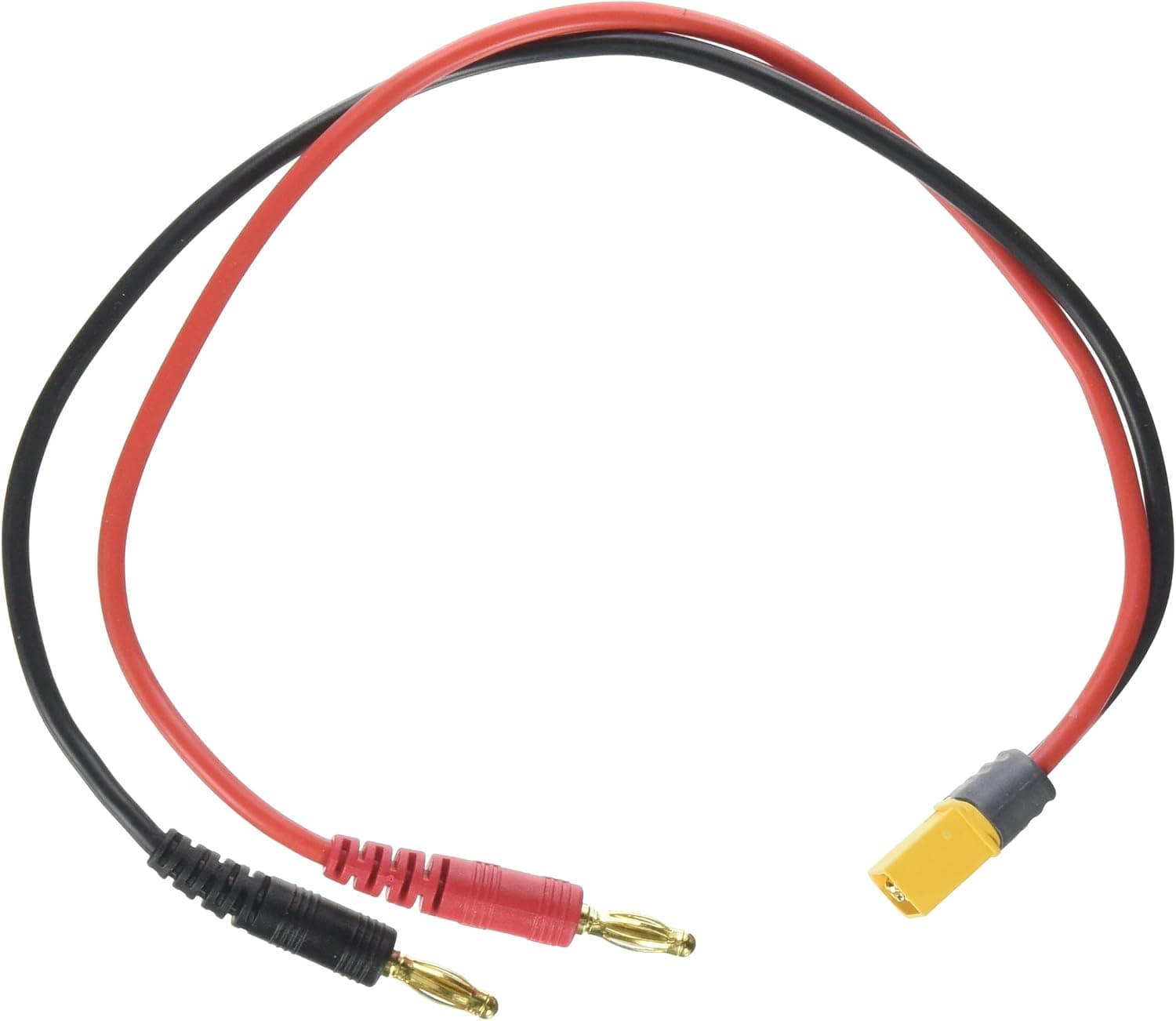
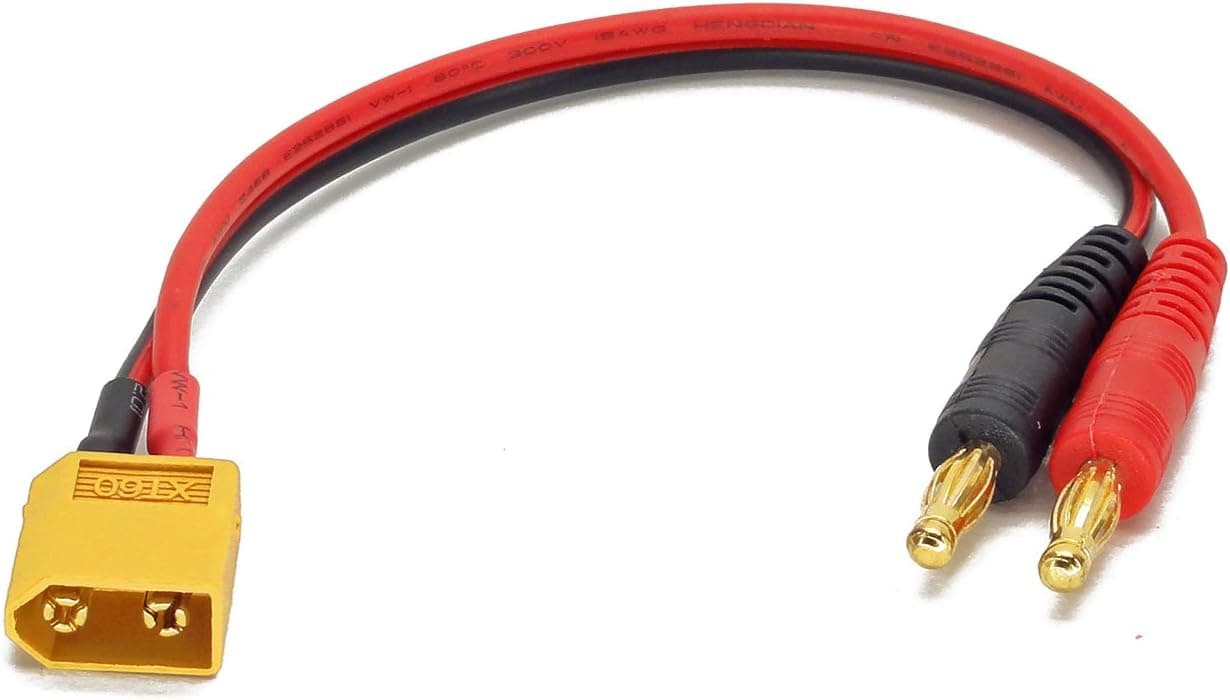
+ XT60 male to 4mm banana is the most common charger lead pairing
From our guide: Best Charging Cables for FPV Drone Batteries (2026)
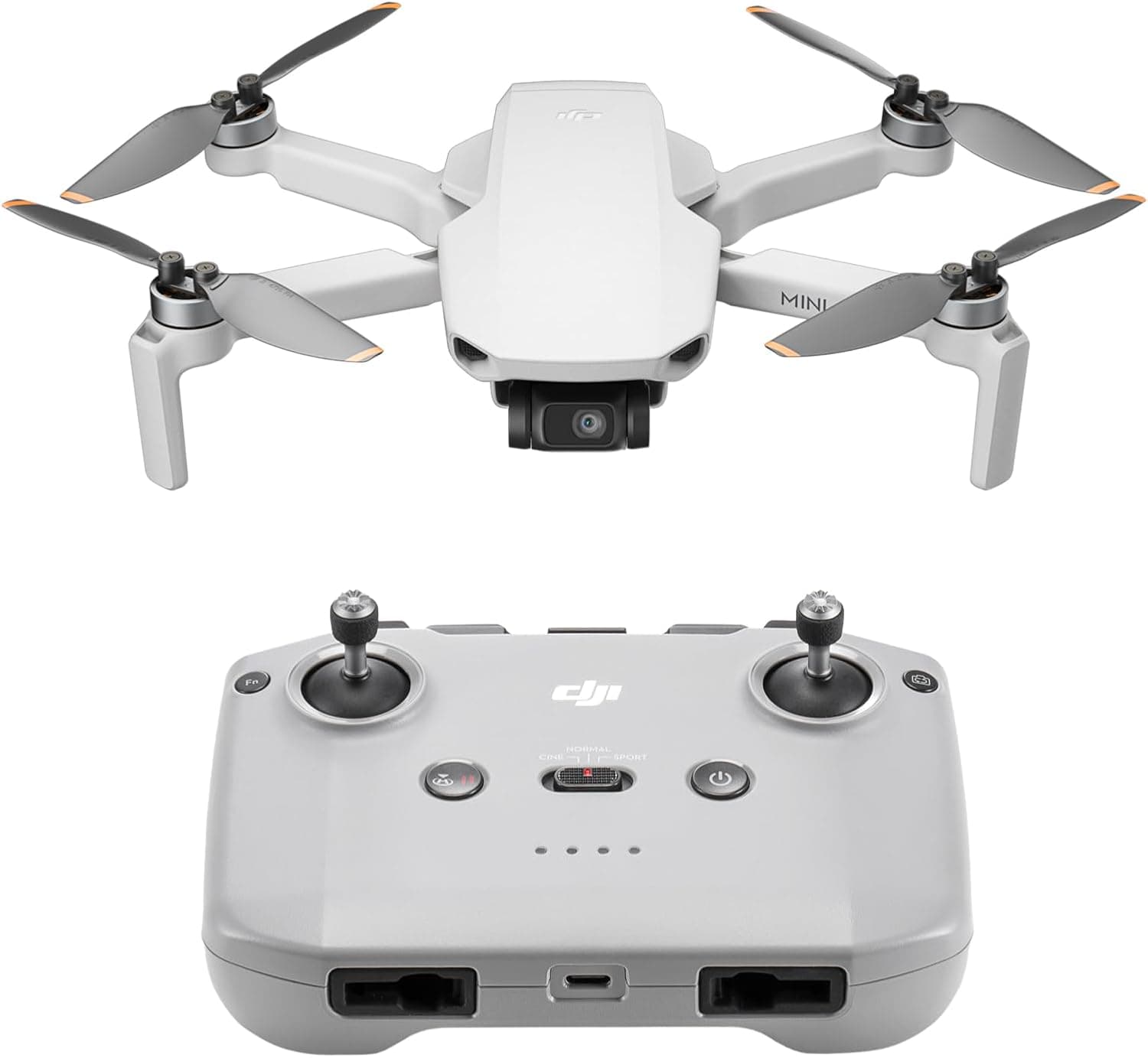
+ DJI's 3-Axis gimbal delivers smooth, level footage that budget camera drones struggle to match
From our guide: Best Sub-250g Drones for Lighter Rules (2026)
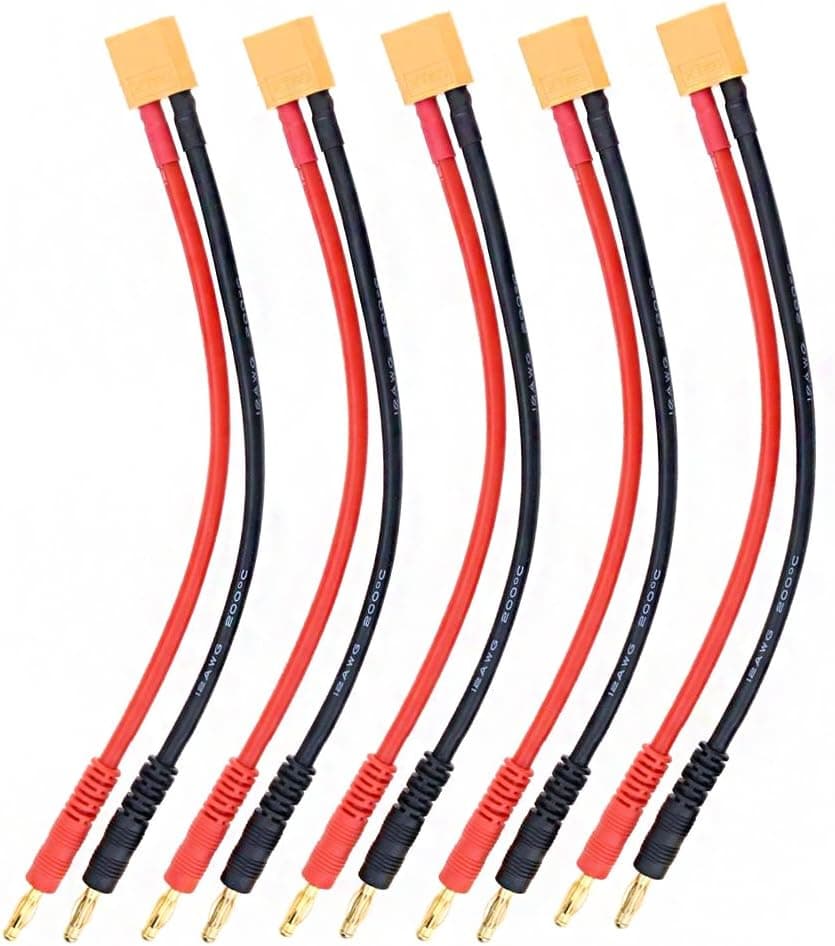
+ 5pcs lets you set up several chargers or keep spares
From our guide: Best Charging Cables for FPV Drone Batteries (2026)
+ 48MP photos and 4K video give image quality well above budget ultralight drones
From our guide: Best Sub-250g Drones for Lighter Rules (2026)
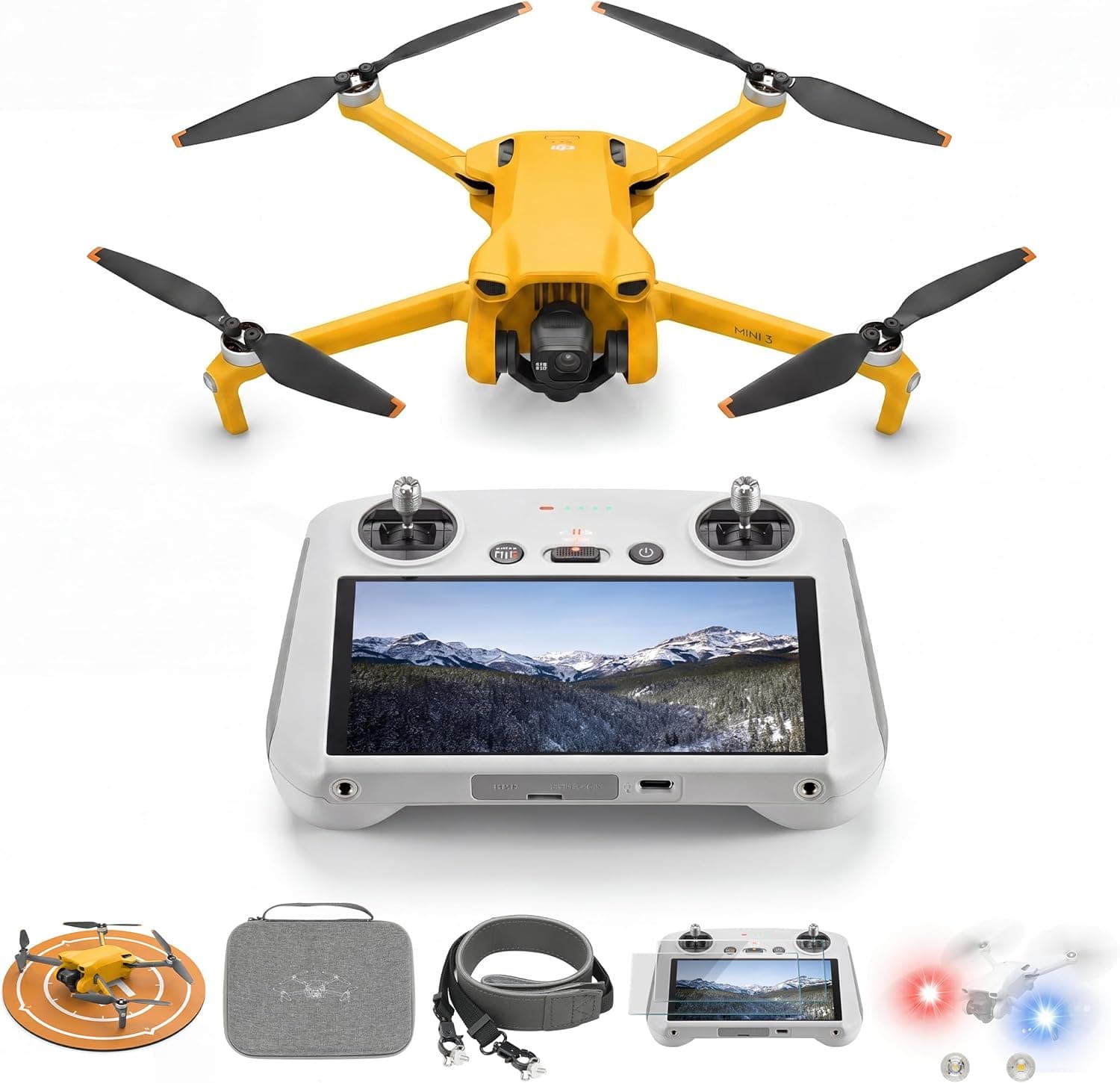
Registration is a common requirement, and it often depends on the weight of your drone. Many jurisdictions require you to register drones above a certain weight, frequently around the 250 gram mark, while lighter recreational drones may be exempt. Registration usually involves providing your details and sometimes marking your drone with an identifier. Even when registration is not required, some form of pilot competency or online test may be expected before you fly.
Core operating rules tend to be broadly similar across regions even when the details differ. Common expectations include keeping your drone within visual line of sight, not flying over crowds of people, staying below a maximum altitude, and keeping well clear of airports and restricted airspace. These rules reflect basic safety concerns and are worth following as good practice everywhere, regardless of the exact letter of your local law.
Privacy and property are increasingly part of the regulatory picture. Flying over private property, filming people without consent, or operating in sensitive areas can raise legal and ethical issues beyond aviation rules. Being considerate, avoiding unnecessary flights over neighbors, and respecting people's reasonable expectations of privacy will keep you out of trouble and help maintain a positive public image for the hobby.
Because the landscape shifts, treat rule-checking as an ongoing responsibility rather than a one-time task. Official aviation authority websites are the most reliable source, and many countries provide apps or maps showing where you can and cannot fly. When in doubt, err on the side of caution, and never assume that what is legal in one country applies in another. Responsible, informed flying protects both you and the future of the hobby.
Popular right now
- ESC explainedGlossary
- Drone Flight Modes ExplainedArticle
- Understanding Drone Motors and KV RatingsArticle
- Best FPV Antennas for Stronger Range (2026)Buying guide
- Best ESCs for FPV Drones (2026)Buying guide
- Best FPV Frames for Freestyle and Racing (2026)Buying guide
Based on the last 28 days of search and visitor data.