Building Your First FPV Quad
Published How we research
Building your first FPV quad is a rite of passage in the hobby, and while it looks intimidating, it is very achievable with patience and the right guidance. A custom build teaches you how every part works together and gives you the skills to repair and upgrade your aircraft for years to come. The key is to approach the project methodically, understand the role of each component, and accept that your first build is as much about learning as it is about flying.
Products from this article
The highest-scoring picks from the buying guides this article links to. Scores are our editorial assessment, not customer ratings.
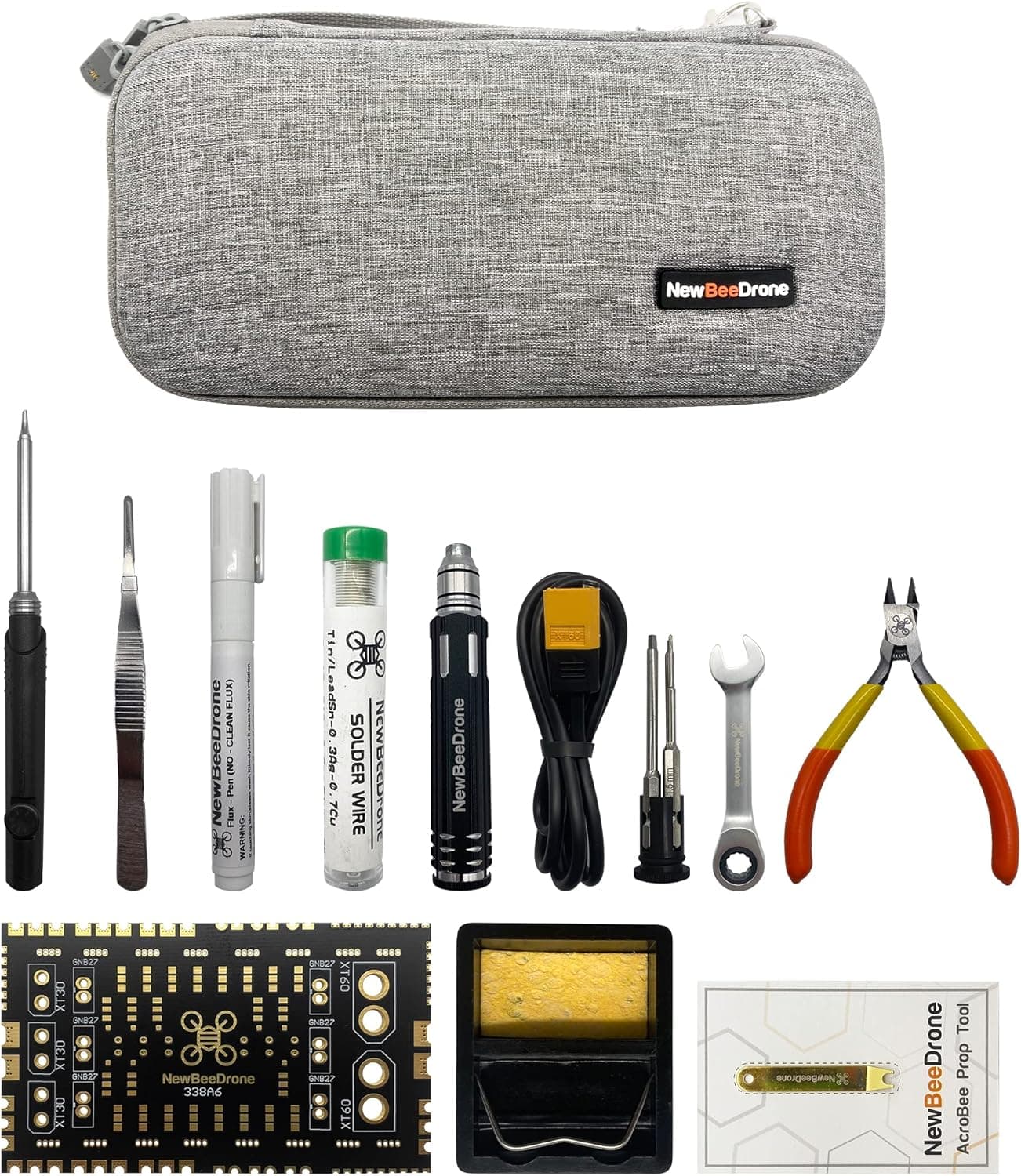
+ Practice board lets new builders learn soldering before touching a real quad
From our guide: Best Soldering Kits for FPV Drone Repair (2026)
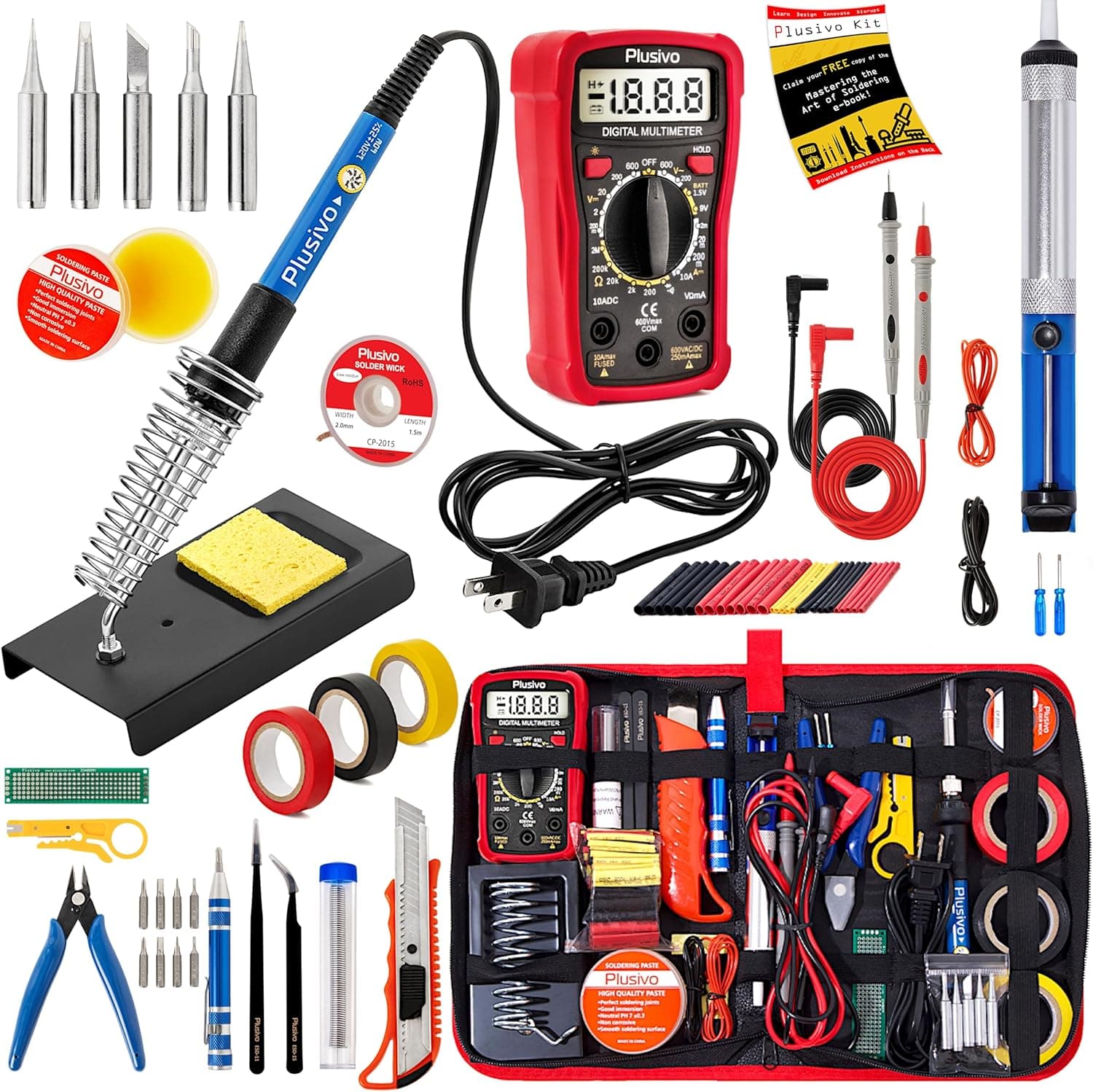
+ Digital multimeter lets you check for shorts before plugging in a battery
From our guide: Best Soldering Kits for FPV Drone Repair (2026)
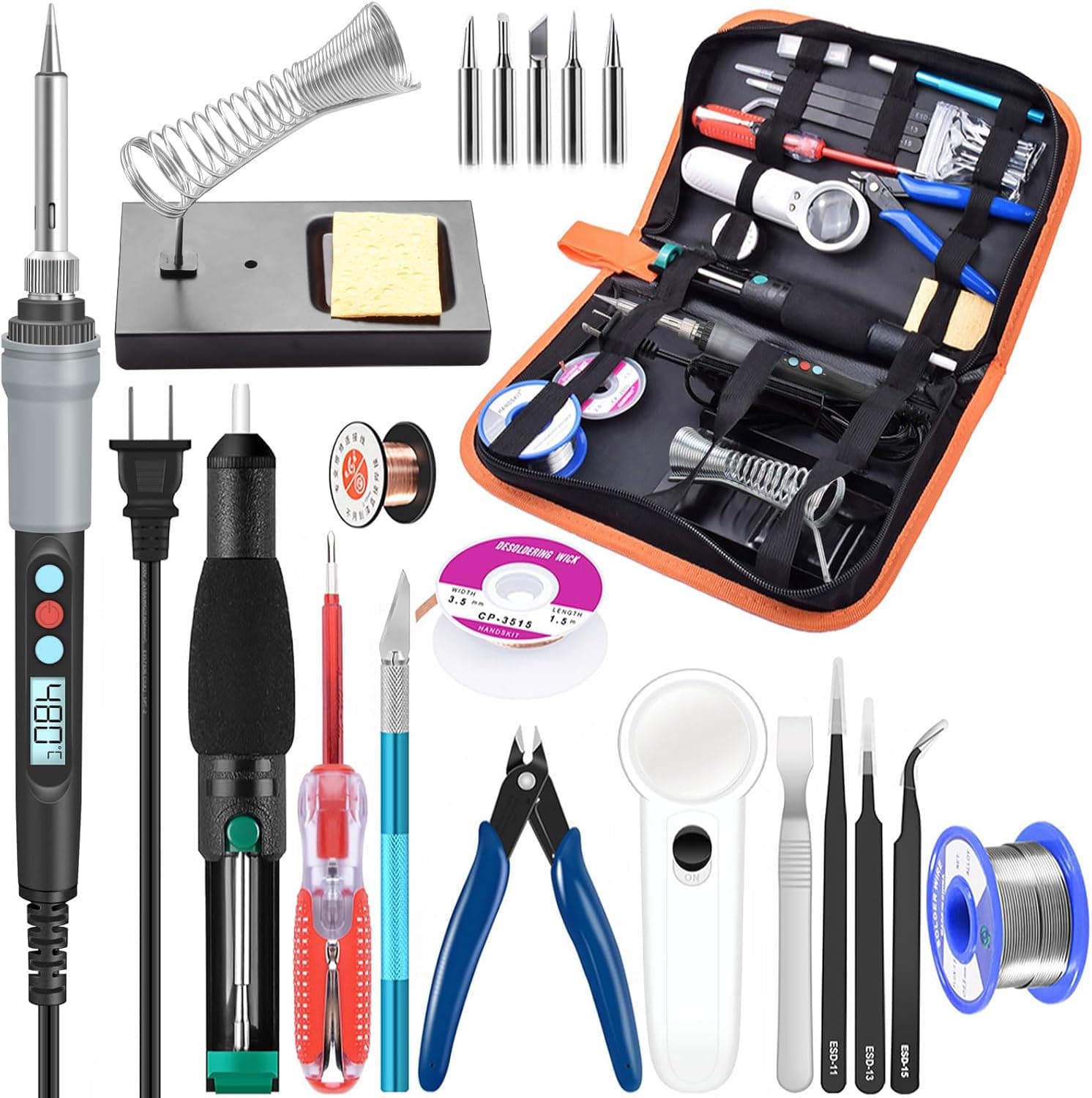
+ 90W output gives strong heat for battery leads and chunky power connectors
From our guide: Best Soldering Kits for FPV Drone Repair (2026)
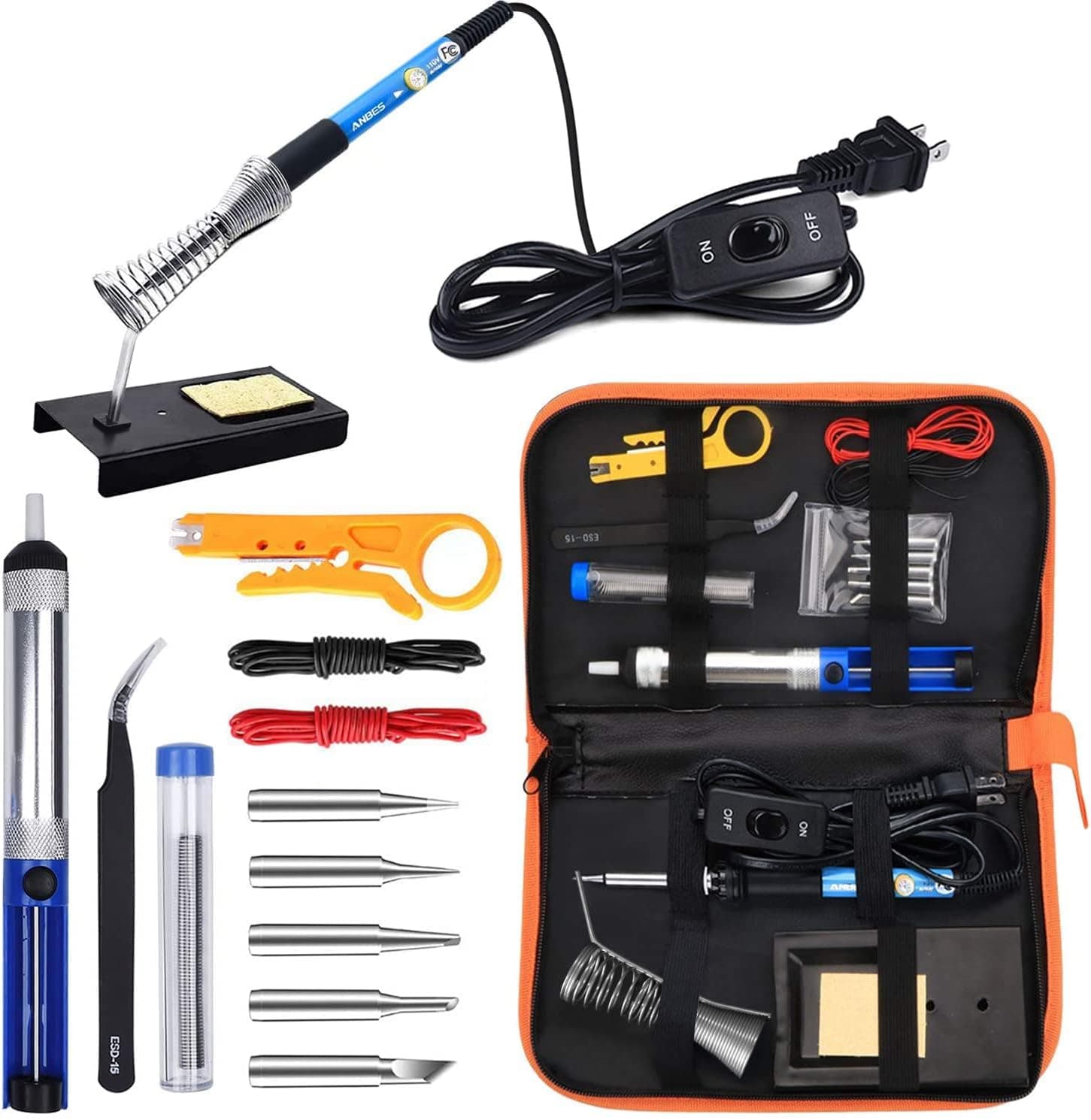
+ Desoldering pump helps remove old joints when replacing a burnt ESC or motor
From our guide: Best Soldering Kits for FPV Drone Repair (2026)
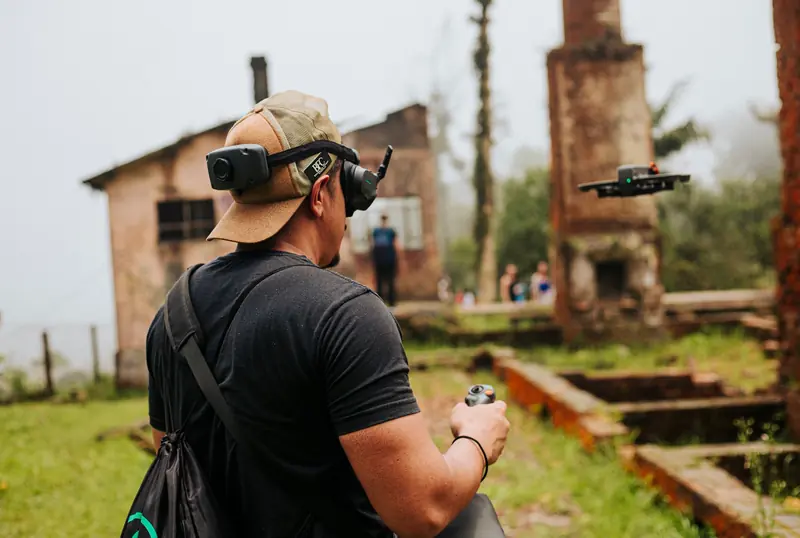
Start by understanding the main components, because a quad is a system of parts that must be compatible. At the core you have a frame, four motors, electronic speed controllers, a flight controller, a video system, a radio receiver, and a battery. Each part must match the others in size, voltage, and connector type. Spending time up front to confirm compatibility saves enormous frustration later, so research a proven parts list before you buy anything.
Tools and workspace preparation make the build smoother. You will need a good soldering iron, quality solder, hex drivers, and small hand tools, along with a clean, well-lit area to work in. Learning to solder cleanly is essential, since most builds involve joining wires and components by hand. Practicing your soldering on scrap before touching real parts will pay off with stronger, more reliable connections.
Assembly generally follows a logical order that reduces mistakes. Many builders mount the motors to the frame first, then install the speed controllers and flight controller, then wire up the video and radio systems. Working step by step and testing as you go helps you catch errors early, before they are buried under other components. Take photos as you build so you can retrace your steps if something needs rework.
Expect your first build to include troubleshooting, and treat that as normal. Configuration in software, checking motor directions, and confirming that video and radio links work are all part of the process. Do not be discouraged if it does not fly perfectly on the first attempt; even experienced builders chase small issues. When your quad finally lifts off on parts you assembled yourself, the sense of accomplishment is hard to beat.
Popular right now
- ESC explainedGlossary
- Drone Flight Modes ExplainedArticle
- Understanding Drone Motors and KV RatingsArticle
- Best FPV Antennas for Stronger Range (2026)Buying guide
- Best ESCs for FPV Drones (2026)Buying guide
- Best FPV Frames for Freestyle and Racing (2026)Buying guide
Based on the last 28 days of search and visitor data.