Tiny Whoop Guide
Published How we research
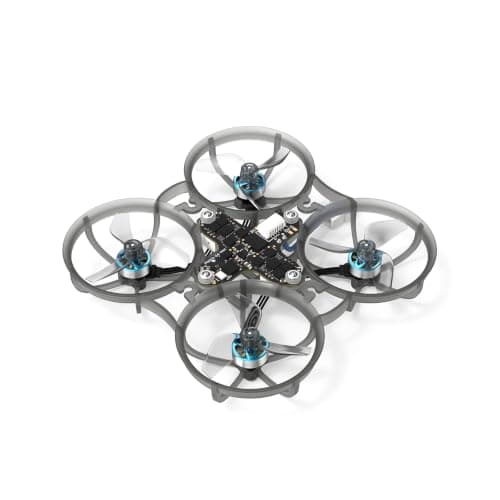
A tiny whoop is a small, light FPV drone whose propellers sit inside protective ducts, which makes it far more forgiving when you clip a wall and safe to fly indoors year-round. It teaches the same core skills as a bigger quad, throttle control, orientation, smooth flight, and most are sold ready or nearly ready to fly with affordable goggles and radios that grow with you. Keep a few spare batteries and props on hand. Tiny whoops are small, lightweight FPV drones with ducted propellers, and they have become one of the most popular ways to enter the hobby. Their compact size and protected props make them ideal for flying indoors and in tight spaces where larger drones would be dangerous. For many pilots, a tiny whoop is the perfect first FPV aircraft because it lets you practice real flying skills safely, affordably, and almost anywhere.
Products from this article
The highest-scoring picks from the buying guides this article links to. Scores are our editorial assessment, not customer ratings.
+ The new frame weighs 5.80g, with arm braces cut from 6 to 5 and curved ducts to reduce weight and air resistance.
From our guide: Best Tiny Whoop Drones for Indoor FPV (2026)
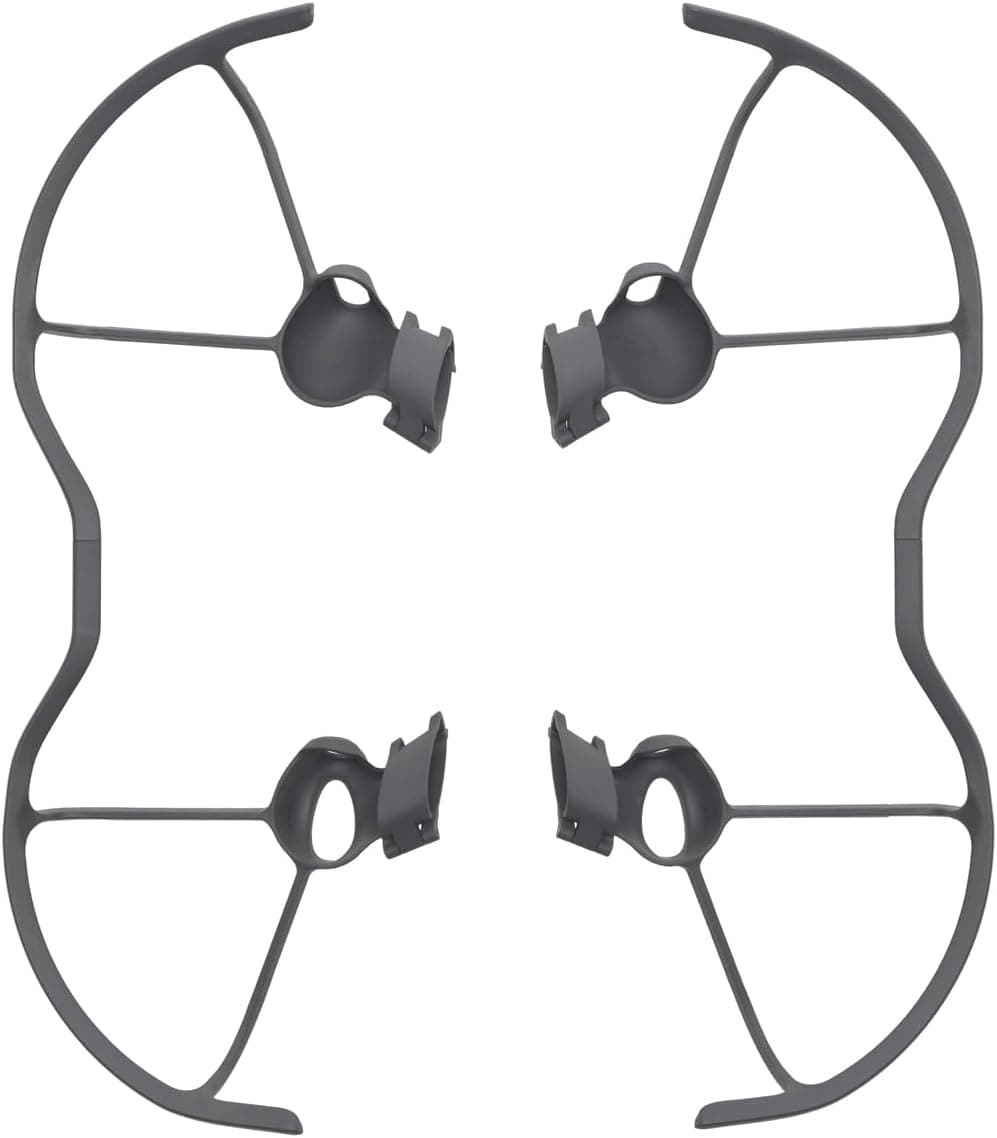
+ Official DJI part fits the DJI FPV drone without modification
From our guide: Best Prop Guards for FPV Drones (2026)
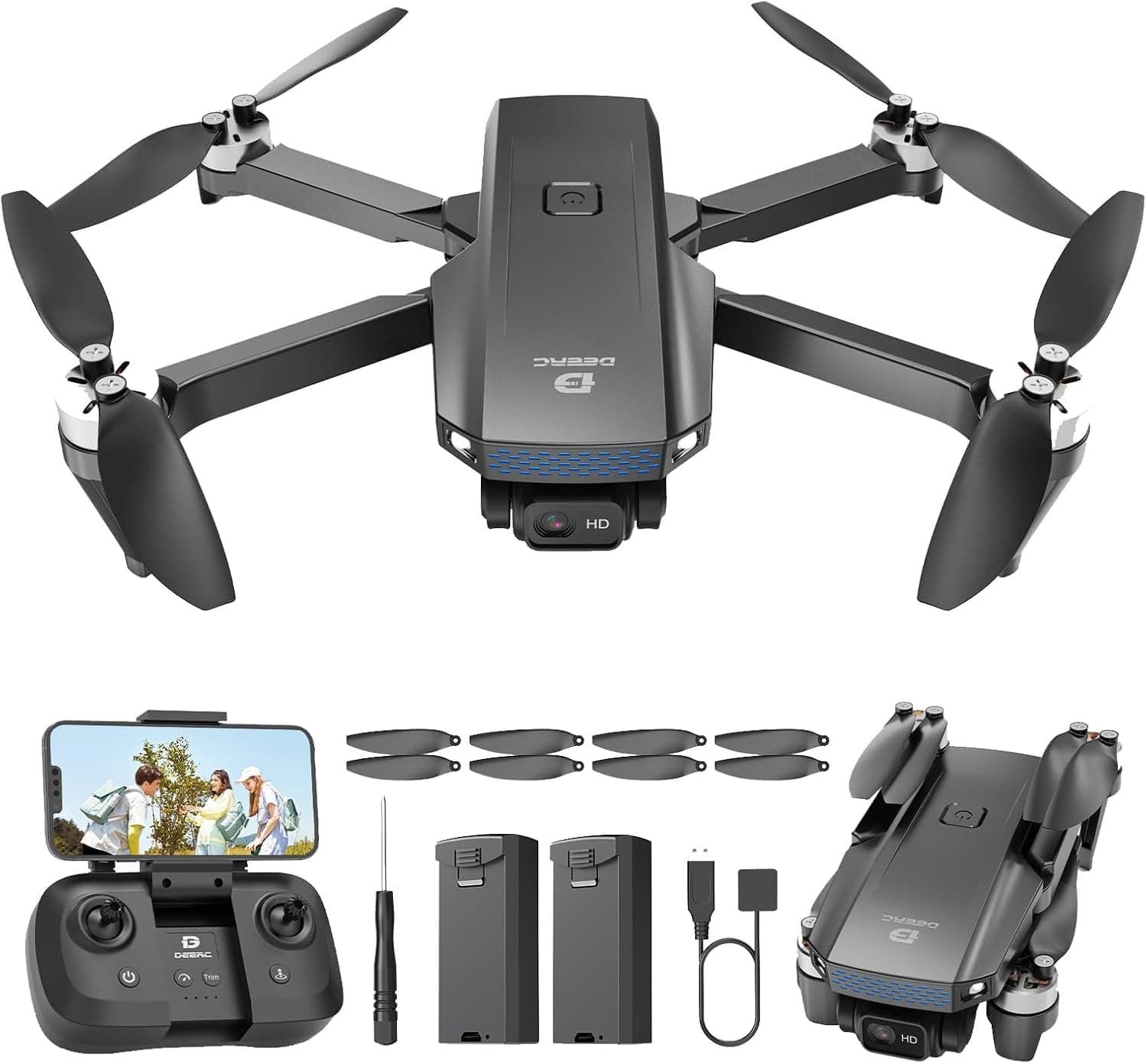
+ Brushless motor lasts longer and runs more efficiently than brushed beginner motors
From our guide: Best Beginner Drones for First-Time Pilots (2026)
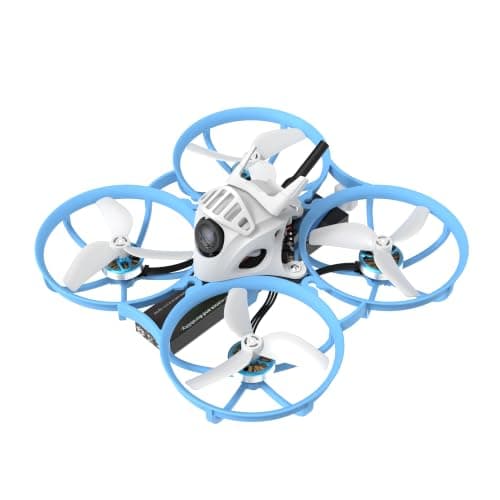
+ Pro version is the newer, upgraded Meteor75, so parts and firmware are current
From our guide: Best Tiny Whoop Drones for Indoor FPV (2026)
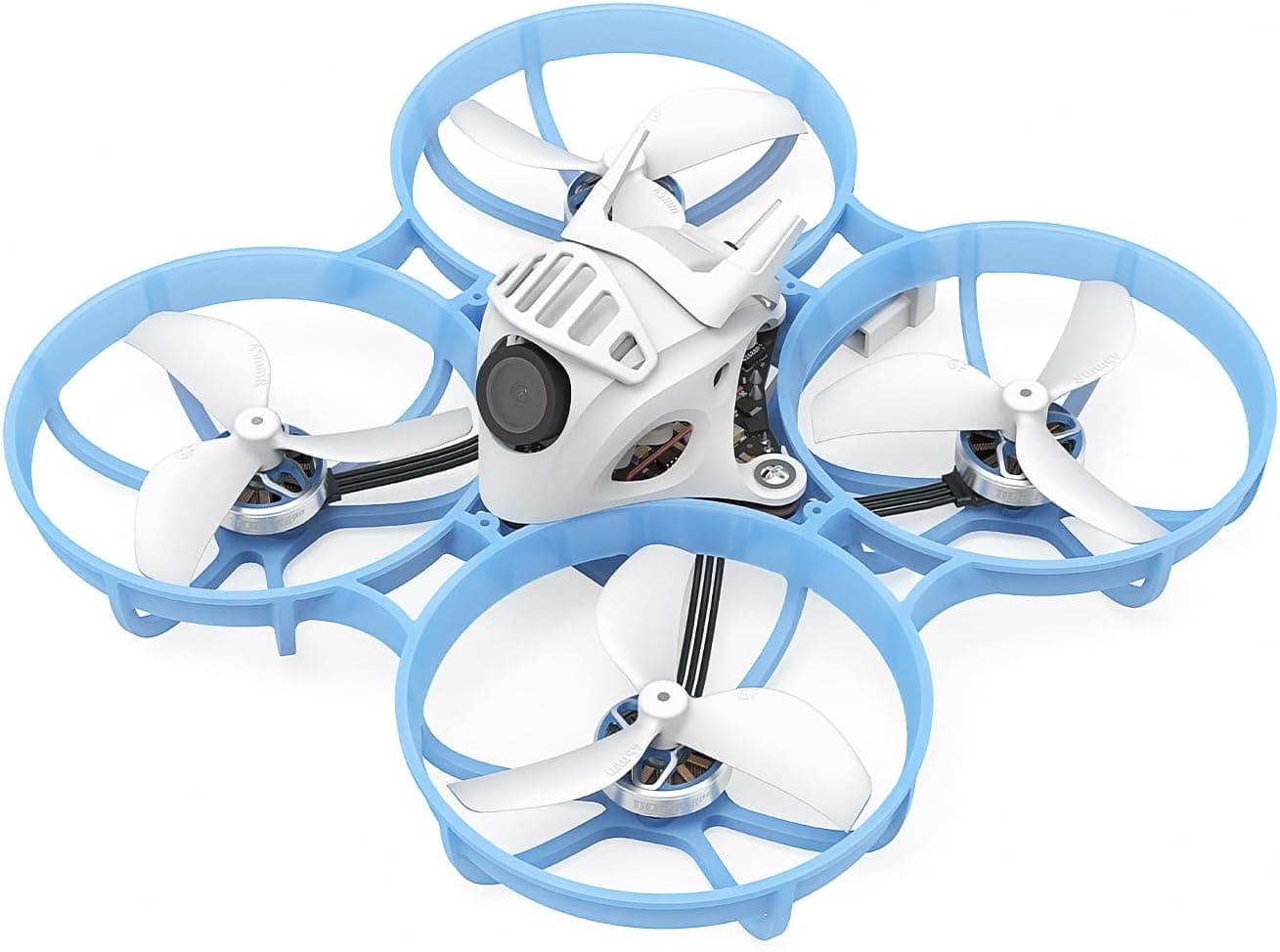
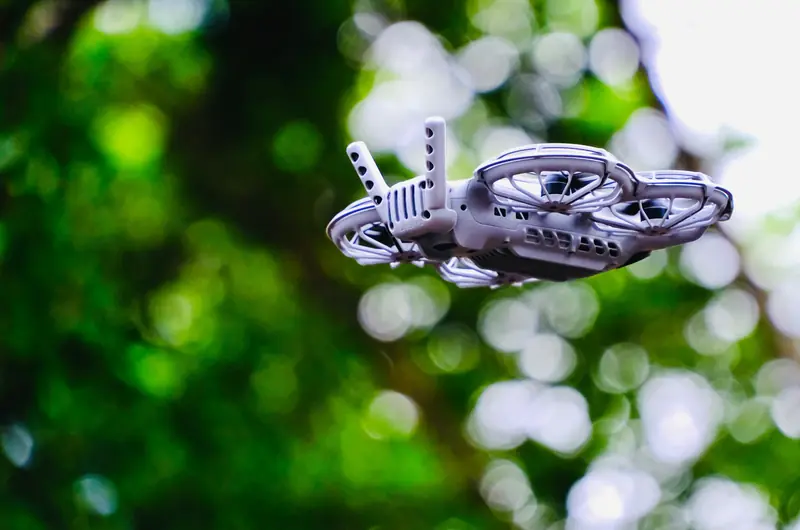
The ducted design that defines a whoop
The defining feature of a tiny whoop is its ducted design. Instead of exposed propellers, the props sit inside protective ducts that shield them and anything they might bump into. This makes whoops far more forgiving when you clip a wall or furniture, and it dramatically reduces the risk of injury. That safety margin is exactly what makes them so well suited to learning indoors, where crashes are frequent for beginners.
Why whoops are excellent trainers
Whoops are excellent trainers because they demand the same core skills as bigger quads. You still learn to manage throttle, control orientation, and fly smoothly through space, all of which transfer directly to larger FPV drones. Because you can fly them indoors year-round, you get far more stick time than you would if you depended on good weather and open outdoor spaces. More practice means faster progress.
Getting started with a tiny whoop
Getting started with a tiny whoop is relatively simple compared with building a full-size quad. Many are sold ready to fly or nearly so, and they pair with affordable goggles and radios that grow with you. You will still want spare batteries and props, since whoops sip tiny packs that deplete quickly and crashes eventually take their toll. A modest kit of spares keeps your sessions going without interruption.
Whoops are genuinely fun in their own right
Beyond learning, tiny whoops are genuinely fun in their own right. Pilots build indoor courses, weave through household obstacles, and even organize whoop races and freestyle sessions. The low speed and protected props mean you can push your limits without much risk to yourself or your surroundings. Whether you view a whoop as a stepping stone or a destination, it is one of the most accessible and enjoyable ways to fly FPV.
Frequently asked questions
What is a tiny whoop? A small, lightweight FPV drone with ducted propellers that shield the props and anything they bump into, making it ideal for flying indoors and in tight spaces.
Is a tiny whoop a good first FPV drone? Yes. The protected props are forgiving of the frequent crashes beginners have, and you can fly indoors year-round, which gives you far more stick time and faster progress.
Do tiny whoop skills transfer to bigger drones? Yes. You still learn to manage throttle, control orientation, and fly smoothly through space, all of which transfer directly to larger FPV quads.
What do I need to start with a tiny whoop? A ready-to-fly or nearly-ready whoop, affordable goggles and a radio that grow with you, and a modest kit of spare batteries and props since whoops use tiny packs that deplete quickly.
Popular right now
- ESC explainedGlossary
- Drone Flight Modes ExplainedArticle
- Understanding Drone Motors and KV RatingsArticle
- Best FPV Antennas for Stronger Range (2026)Buying guide
- Best ESCs for FPV Drones (2026)Buying guide
- Best FPV Frames for Freestyle and Racing (2026)Buying guide
Based on the last 28 days of search and visitor data.