Preventing Drone Flyaways
Published How we research
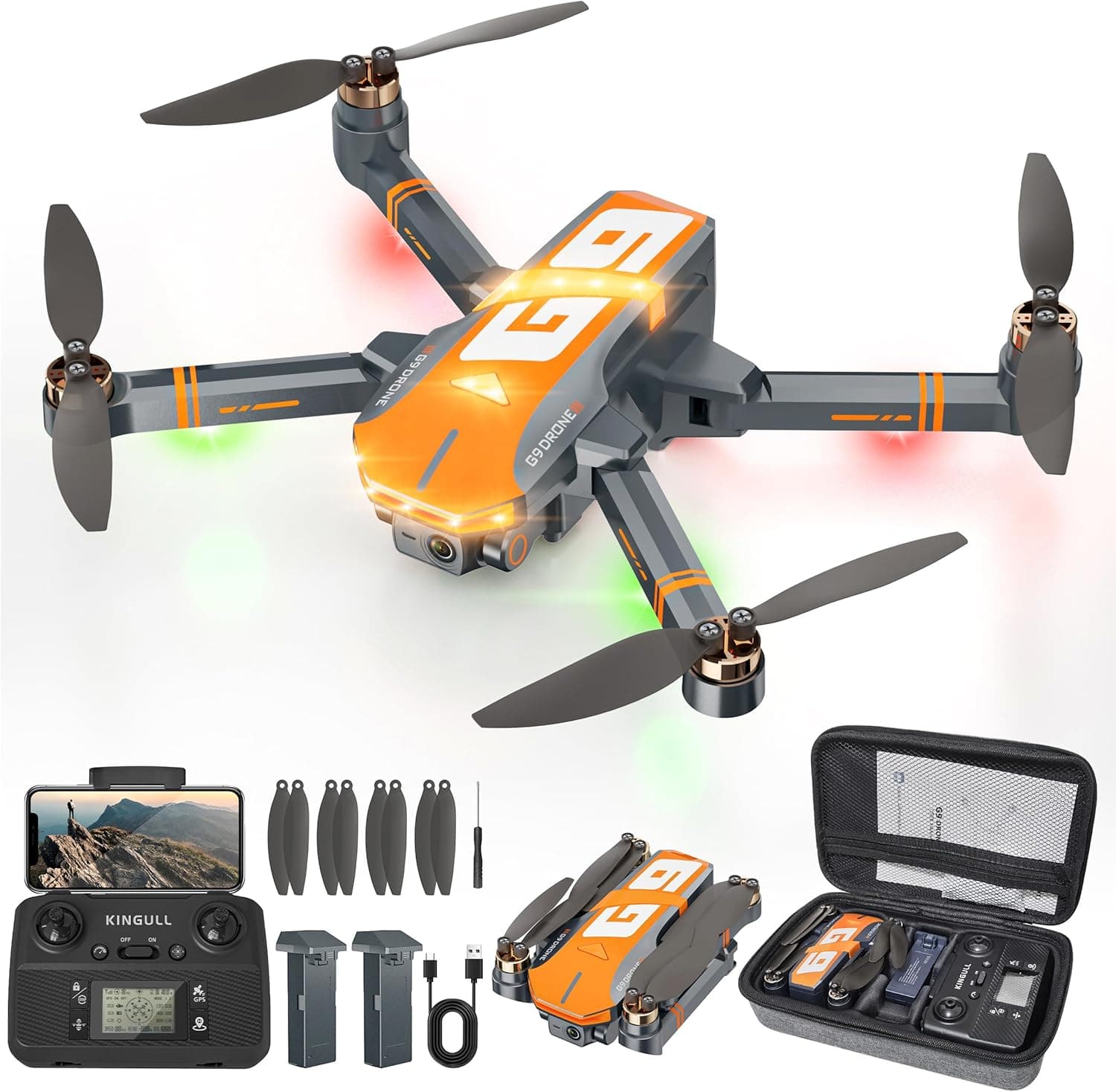
A flyaway, when a drone drifts off uncontrollably or fails to return, is one of the most feared situations in the hobby. While it can feel like bad luck, most flyaways trace back to preventable causes such as signal loss, poor pre-flight setup, or environmental interference. Understanding why flyaways happen empowers you to build habits that dramatically reduce the risk. Prevention is far easier than recovery, so a little diligence pays off enormously.
Products from this article
The highest-scoring picks from the buying guides this article links to. Scores are our editorial assessment, not customer ratings.
+ Waypoint Fly lets you draw a route in the app, so the drone flies it while you film
From our guide: Best GPS Drones for Stable, Reliable Flight (2026)
+ GPS positioning holds the drone in place, so beginners can frame shots without constant correction
From our guide: Best GPS Drones for Stable, Reliable Flight (2026)
+ 5-inch LCD screen on the controller means no phone is needed to see the camera feed
From our guide: Best GPS Drones for Stable, Reliable Flight (2026)
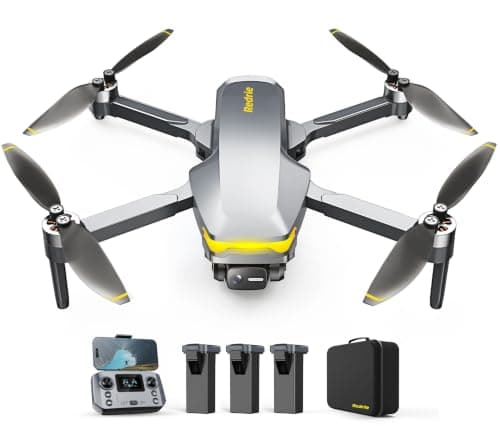
+ Three batteries give a stated 50 to 60 minutes of total flight time, more than most picks in this price range.
From our guide: Best GPS Drones for Stable, Reliable Flight (2026)
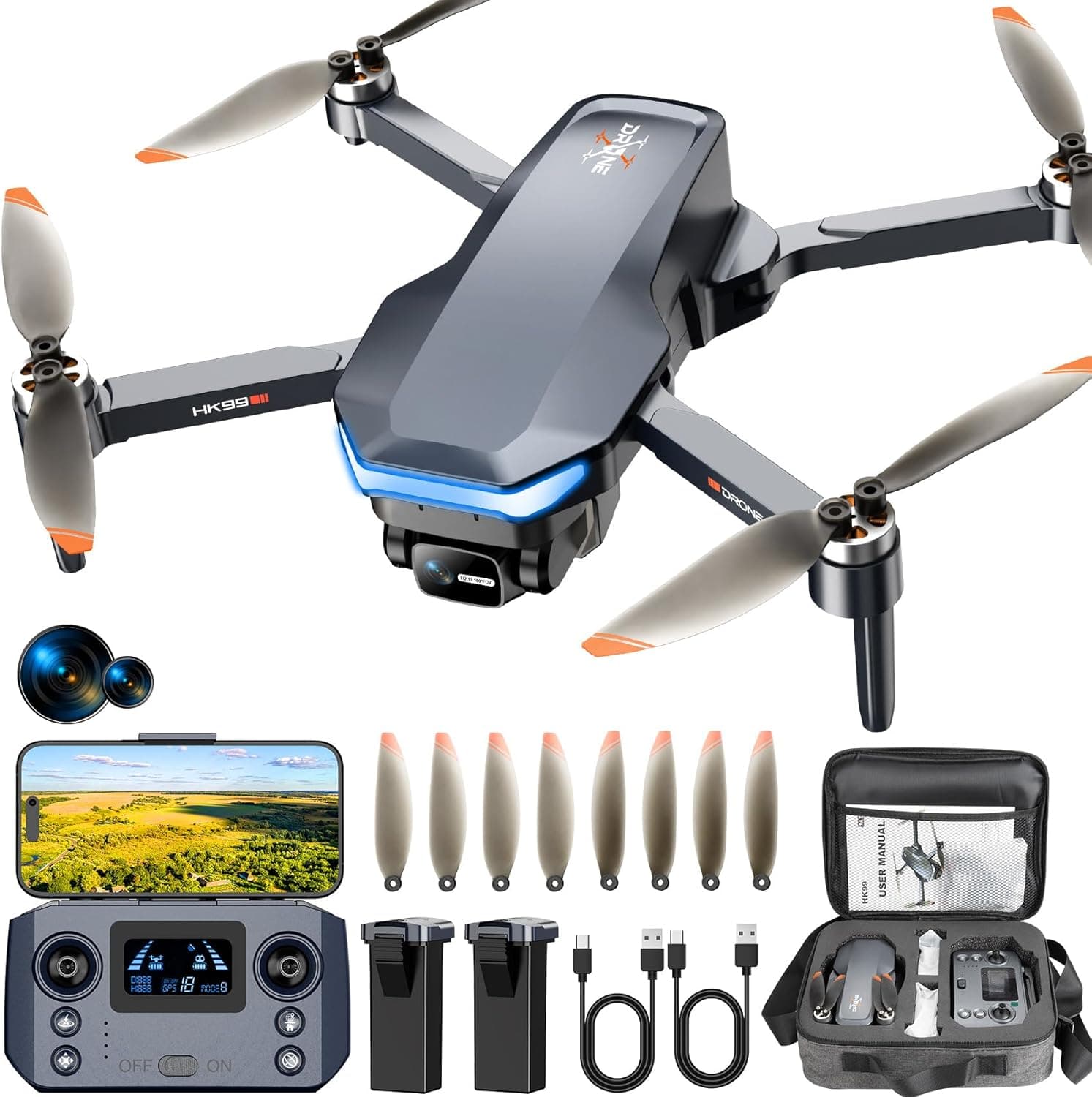
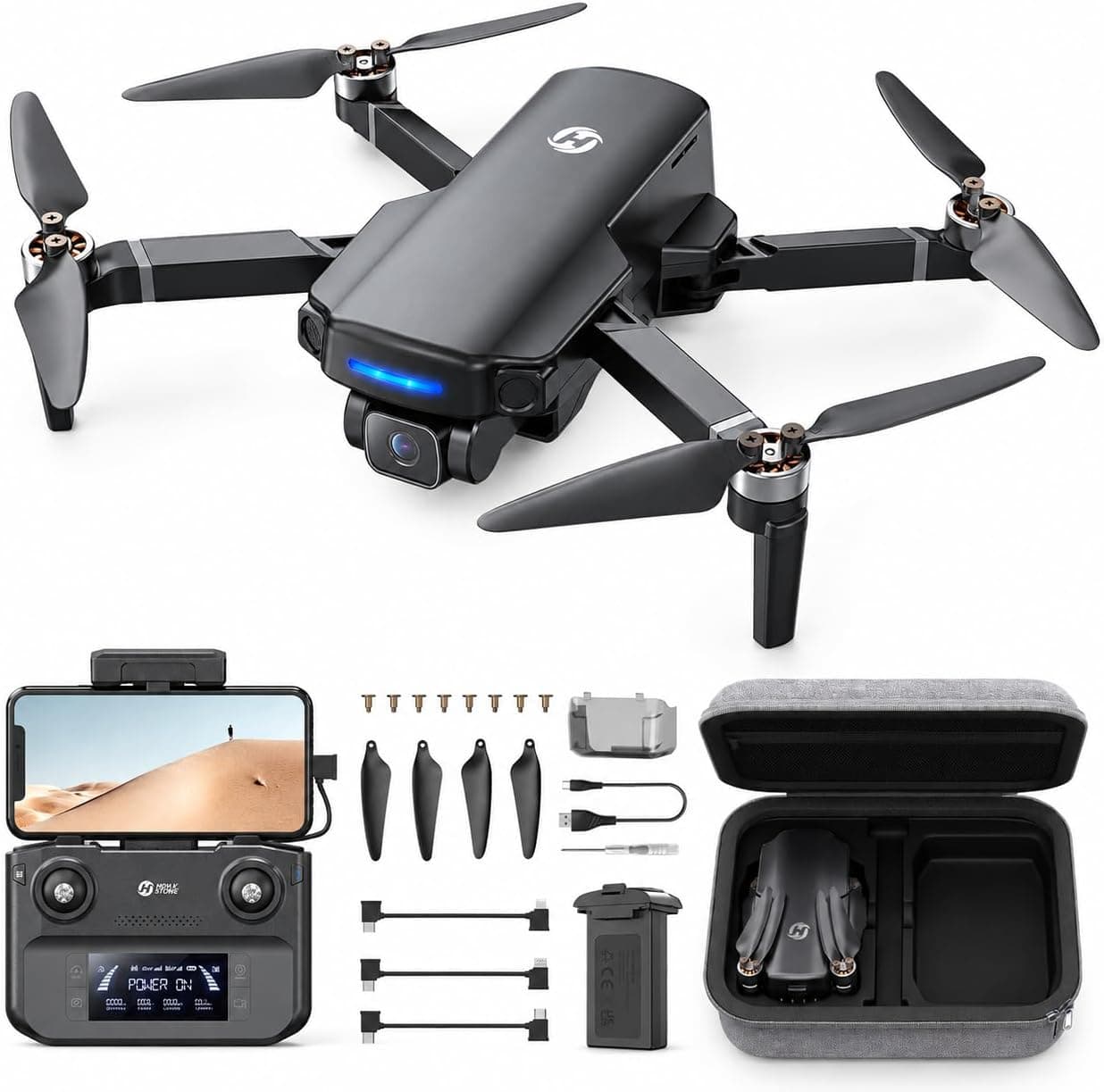
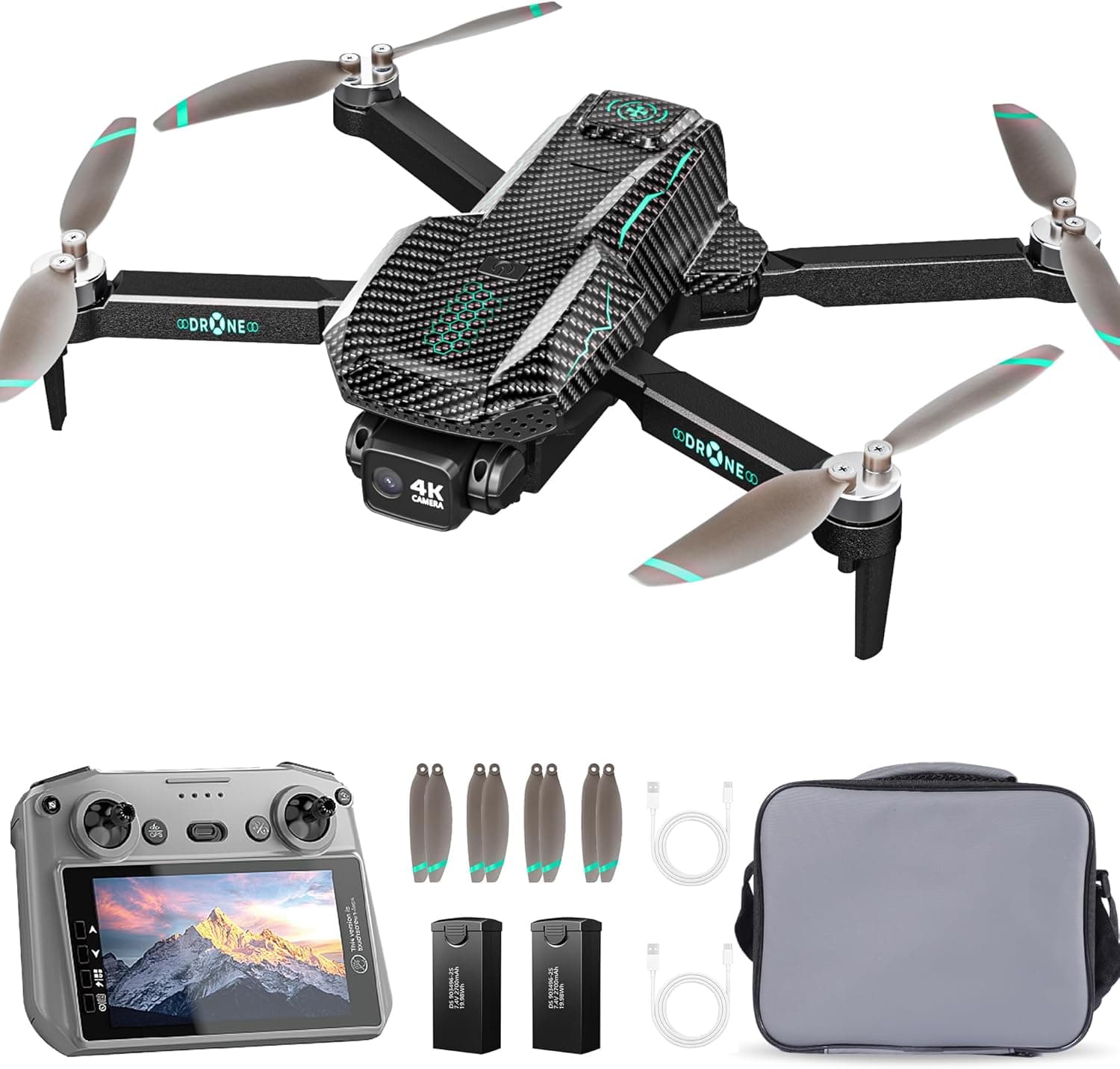
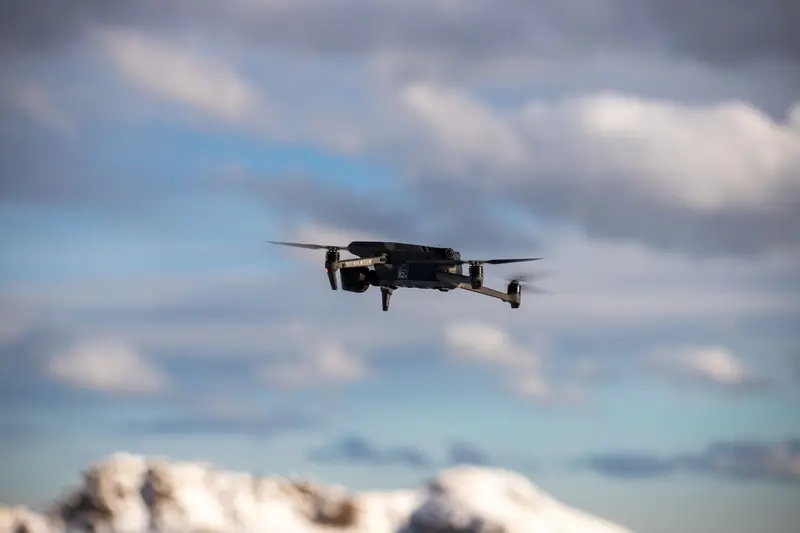
Signal loss is a leading contributor, and it can affect both your control link and your positioning. If your drone loses connection with the controller, it relies on its programmed failsafe behavior, which is only helpful if that failsafe is set up correctly. Flying within reliable signal range, avoiding obstacles that block your link, and keeping your antennas oriented well all reduce the chance of an unexpected disconnection turning into a lost aircraft.
Home point and failsafe configuration are critical safeguards on GPS-equipped drones. Before flying, many drones record a home point they can return to if something goes wrong, so it is important that this point is set accurately at your location. A properly configured return-to-home function can turn a potential flyaway into a safe, automatic recovery. Confirming these settings before every flight is a simple habit that can save an expensive drone.
Environmental factors play a bigger role than many beginners expect. Areas with strong electromagnetic interference, poor GPS reception, or heavy metal structures can confuse a drone's navigation systems. Flying in open areas with a clear view of the sky, away from sources of interference, gives your drone the best chance of maintaining an accurate sense of position. Waiting for a strong GPS lock before taking off is also worthwhile.
Pre-flight discipline ties everything together. Checking your battery levels, confirming signal strength, verifying home point and failsafe settings, and being aware of wind and surroundings all reduce risk before you leave the ground. Flying with margin, rather than pushing range and battery to the limit, leaves room to react if something goes wrong. Consistent, careful habits are the most effective flyaway insurance any pilot can have.
Popular right now
- ESC explainedGlossary
- Drone Flight Modes ExplainedArticle
- Understanding Drone Motors and KV RatingsArticle
- Best FPV Antennas for Stronger Range (2026)Buying guide
- Best ESCs for FPV Drones (2026)Buying guide
- Best FPV Frames for Freestyle and Racing (2026)Buying guide
Based on the last 28 days of search and visitor data.