How to Solder FPV Electronics
Published How we research
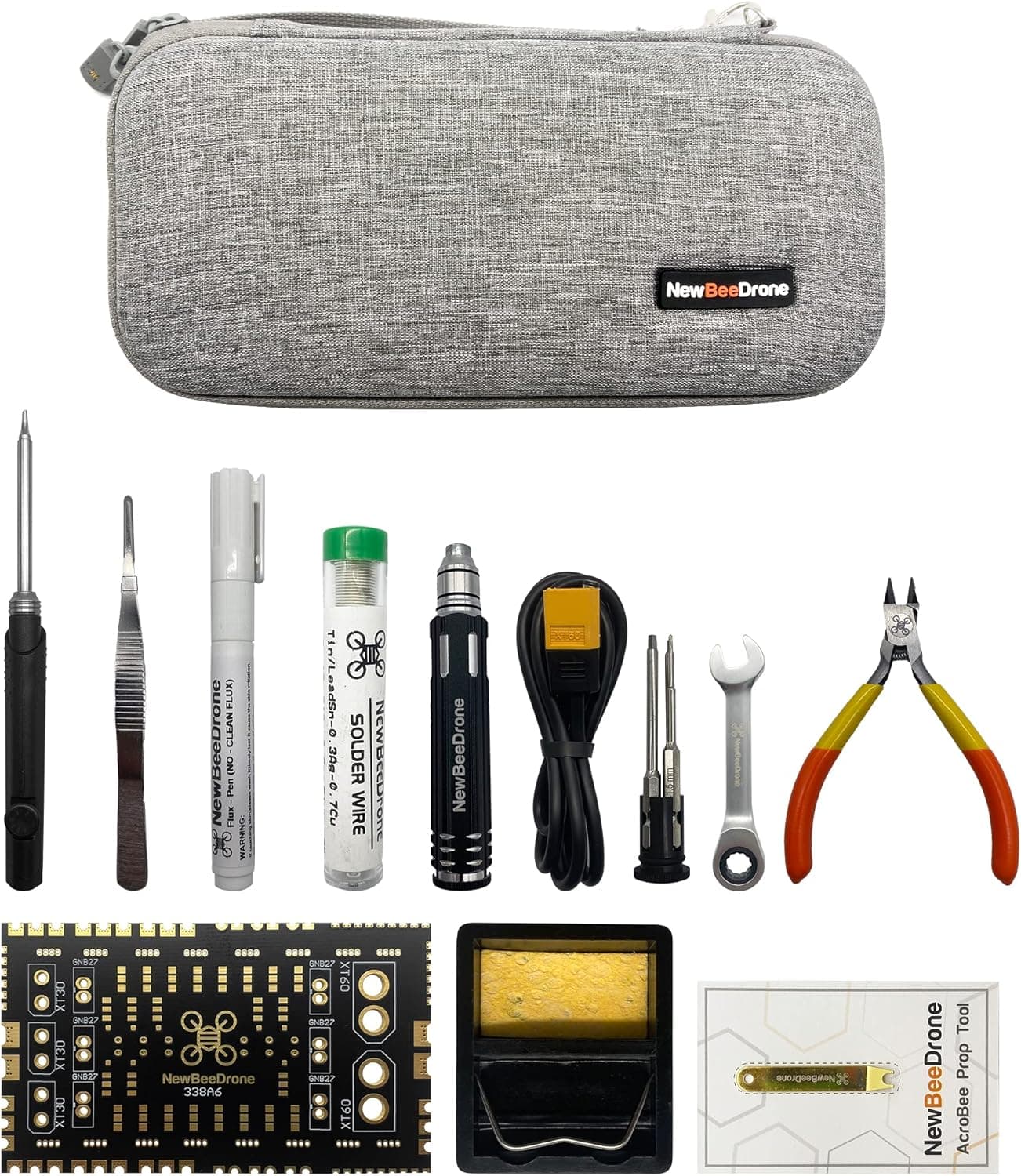
Soldering is a foundational skill for anyone building or repairing FPV drones, and while it looks intimidating, it is very learnable with practice. Good solder joints are the difference between a reliable quad and one plagued by intermittent failures. The goal is to create clean, shiny connections that conduct electricity well and hold up to the vibration of flight. With the right tools and a bit of patience, you can develop solid soldering skills surprisingly quickly.
Products from this article
The highest-scoring picks from the buying guides this article links to. Scores are our editorial assessment, not customer ratings.
+ Practice board lets new builders learn soldering before touching a real quad
From our guide: Best Soldering Kits for FPV Drone Repair (2026)
+ Pre-soldered 12AWG leads save time and skip the hardest soldering step
From our guide: Best XT60 Connectors for Drone Power (2026)
+ USB-C PD power works from laptop chargers or power banks
From our guide: Best Soldering Irons for FPV Drone Building (2026)
+ Digital multimeter lets you check for shorts before plugging in a battery
From our guide: Best Soldering Kits for FPV Drone Repair (2026)
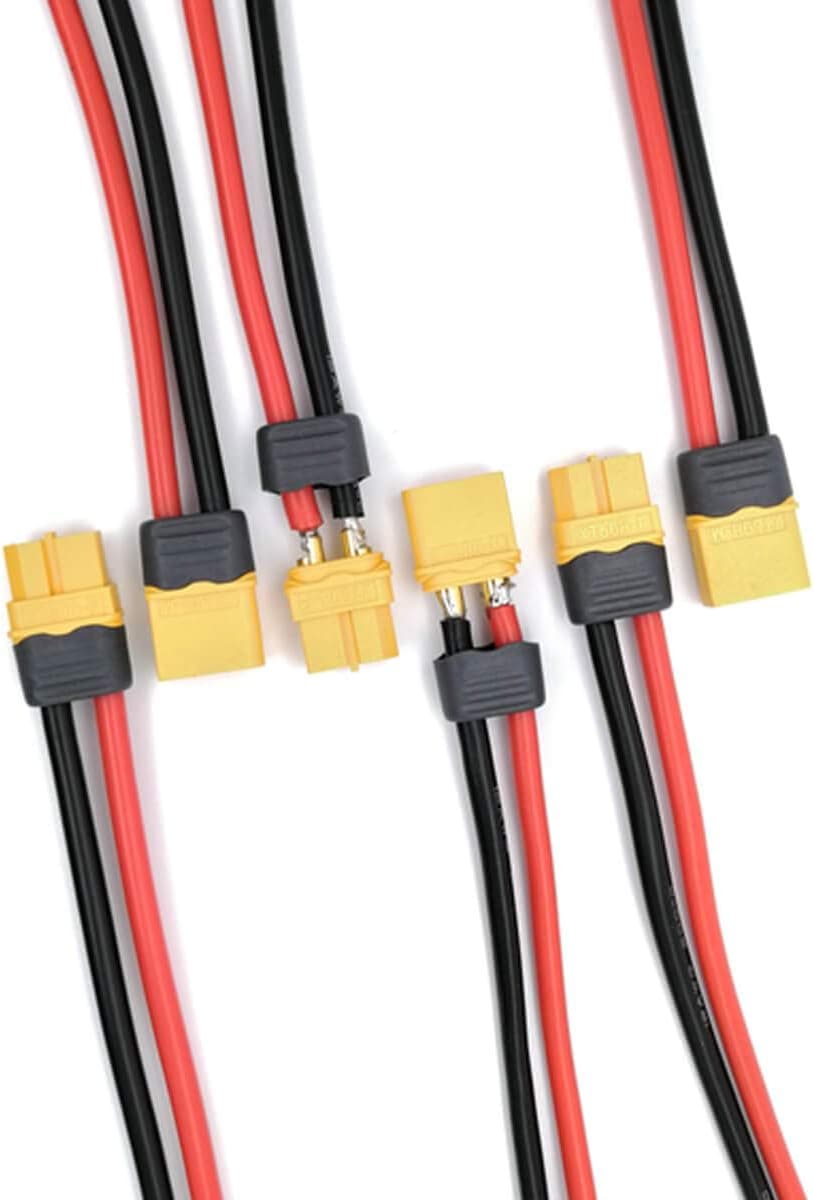
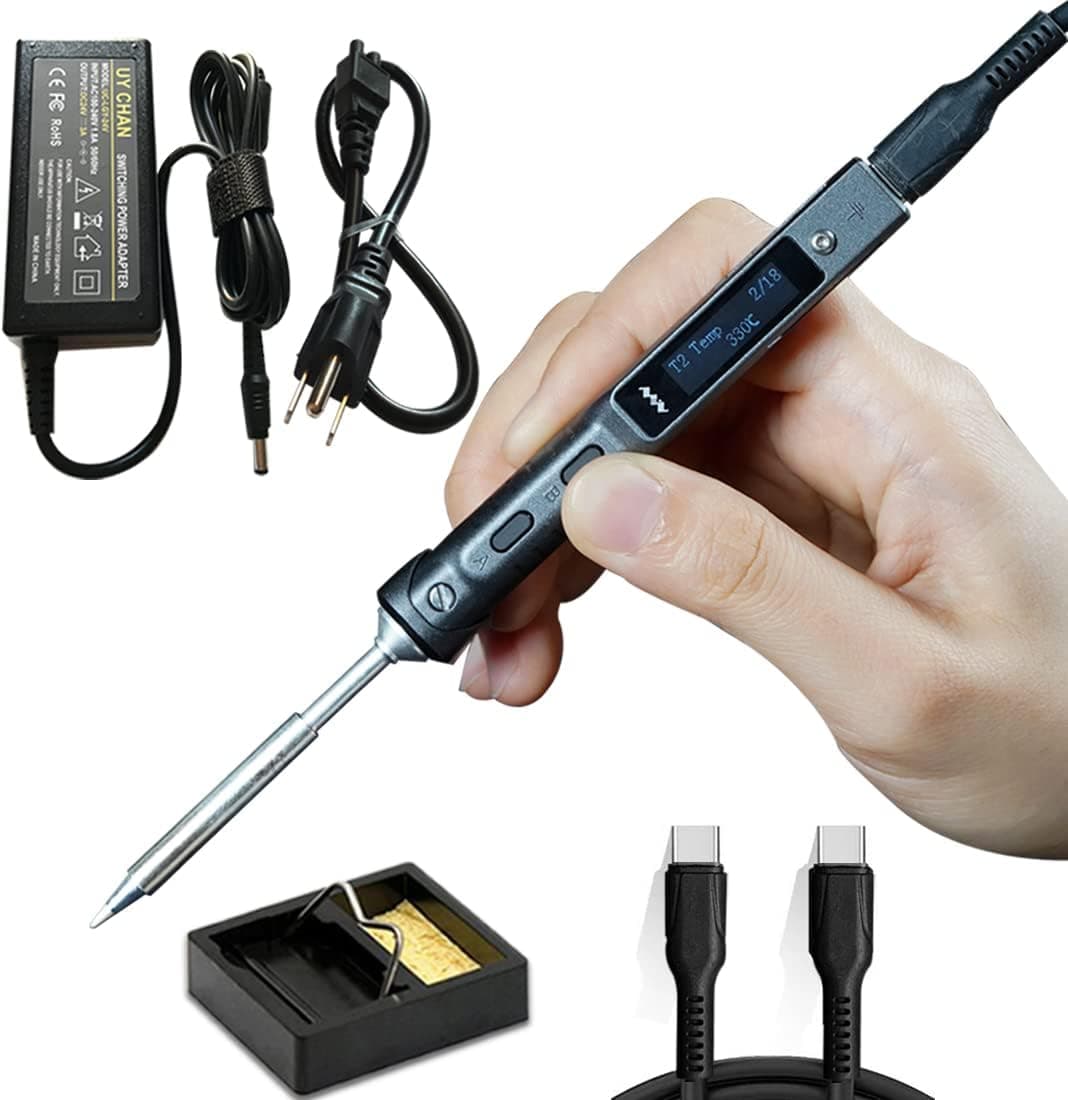
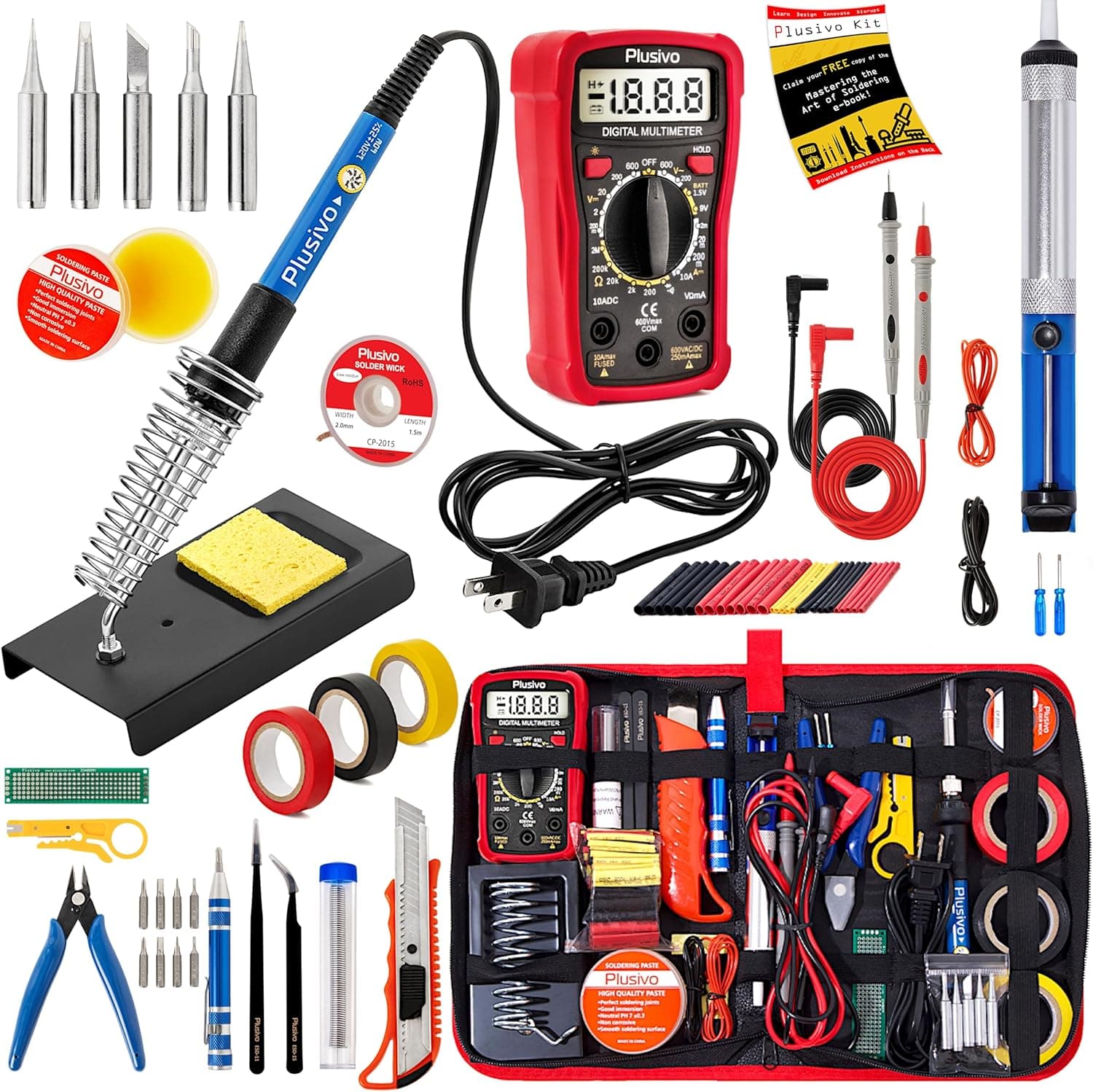
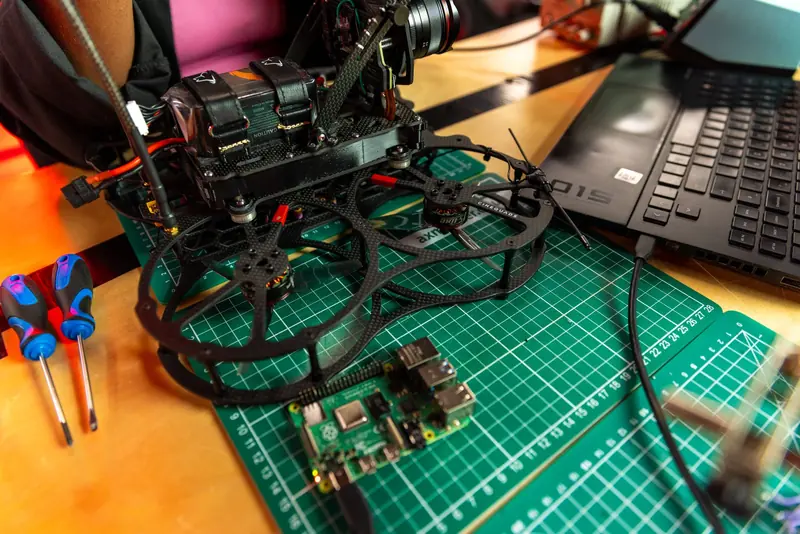
Your tools set the stage for success. A temperature controlled soldering iron, quality solder, flux, and a way to hold your work steady are the essentials. A good iron that heats quickly and holds temperature makes every joint easier, while cheap, underpowered irons cause endless frustration. Keeping the iron tip clean and well maintained is just as important as the iron itself, since a dirty tip transfers heat poorly.
Tinning is the technique that underpins good joints. Tinning means applying a small amount of solder to the iron tip, to wires, and to the pads you are joining before bringing them together. Pre-tinning both surfaces lets them bond quickly and cleanly when you touch them together with a hot iron. This approach reduces the time the iron spends on delicate components, which protects them from heat damage.
The joint technique itself rewards heat and timing over force. Heat the pad and the wire together, then feed solder into the joint so it flows and wets both surfaces, rather than dabbing solder onto a cold connection. A good joint looks smooth and shiny, while a dull, blobby joint often indicates a weak, unreliable bond. Work efficiently so you apply enough heat to flow the solder but not so long that you cook nearby parts.
Safety and cleanliness complete the picture. Work in a ventilated area because solder fumes should not be inhaled, and keep a heat-resistant surface under your work. Wash your hands after soldering, avoid touching your face, and let hot components cool before handling them. As you practice on scrap wire and old boards, your joints will steadily improve, and soldering will shift from a hurdle to a satisfying part of the building process.
Popular right now
- ESC explainedGlossary
- Drone Flight Modes ExplainedArticle
- Understanding Drone Motors and KV RatingsArticle
- Best FPV Antennas for Stronger Range (2026)Buying guide
- Best ESCs for FPV Drones (2026)Buying guide
- Best FPV Frames for Freestyle and Racing (2026)Buying guide
Based on the last 28 days of search and visitor data.