How to Read Drone Specs Before You Buy
Published How we research
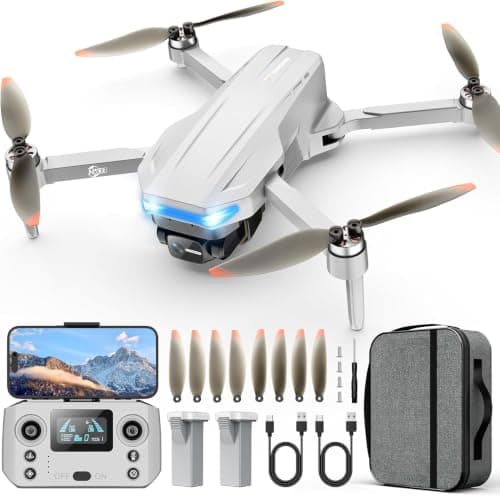
Drone listings are full of numbers, and it is easy to get lost in them. A few specs matter far more than the rest, and knowing which ones saves you from paying for features you will never use. Start with weight, flight time, camera, and range, and treat everything else as secondary.
Products from this article
The highest-scoring picks from the buying guides this article links to. Scores are our editorial assessment, not customer ratings.
+ Waypoint Fly lets you draw a route in the app, so the drone flies it while you film
From our guide: Best Foldable Drones for Travel and Portability (2026)
+ DJI's 3-Axis gimbal delivers smooth, level footage that budget camera drones struggle to match
From our guide: Best Camera Drones for Beginners (2026)
+ Weighs 249g with a foldable body, and brushless motors are listed with level 5 wind resistance.
From our guide: Best Foldable Drones for Travel and Portability (2026)
+ 3 batteries let you shoot several locations in one trip without returning to charge
From our guide: Best Camera Drones for Beginners (2026)
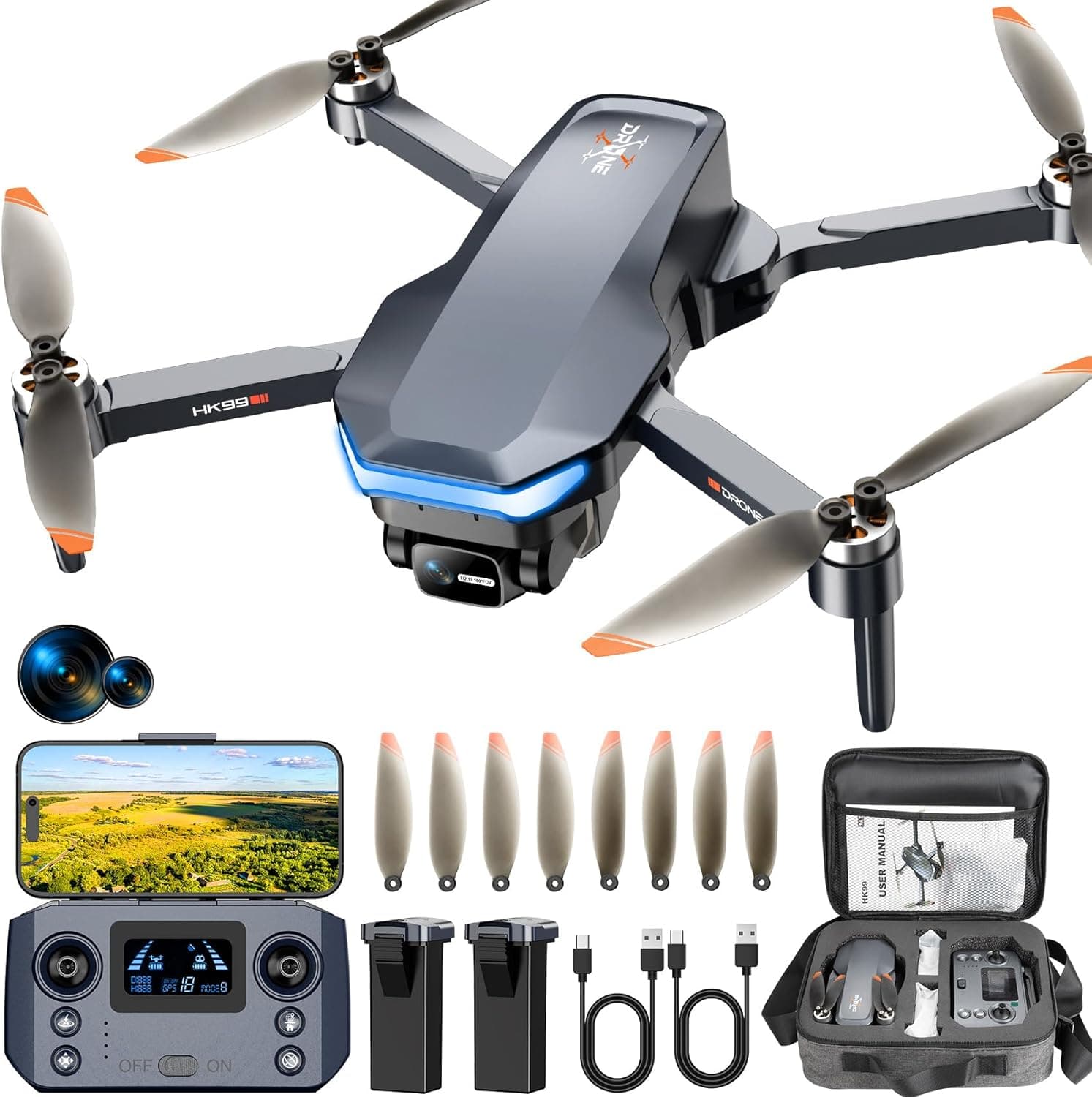
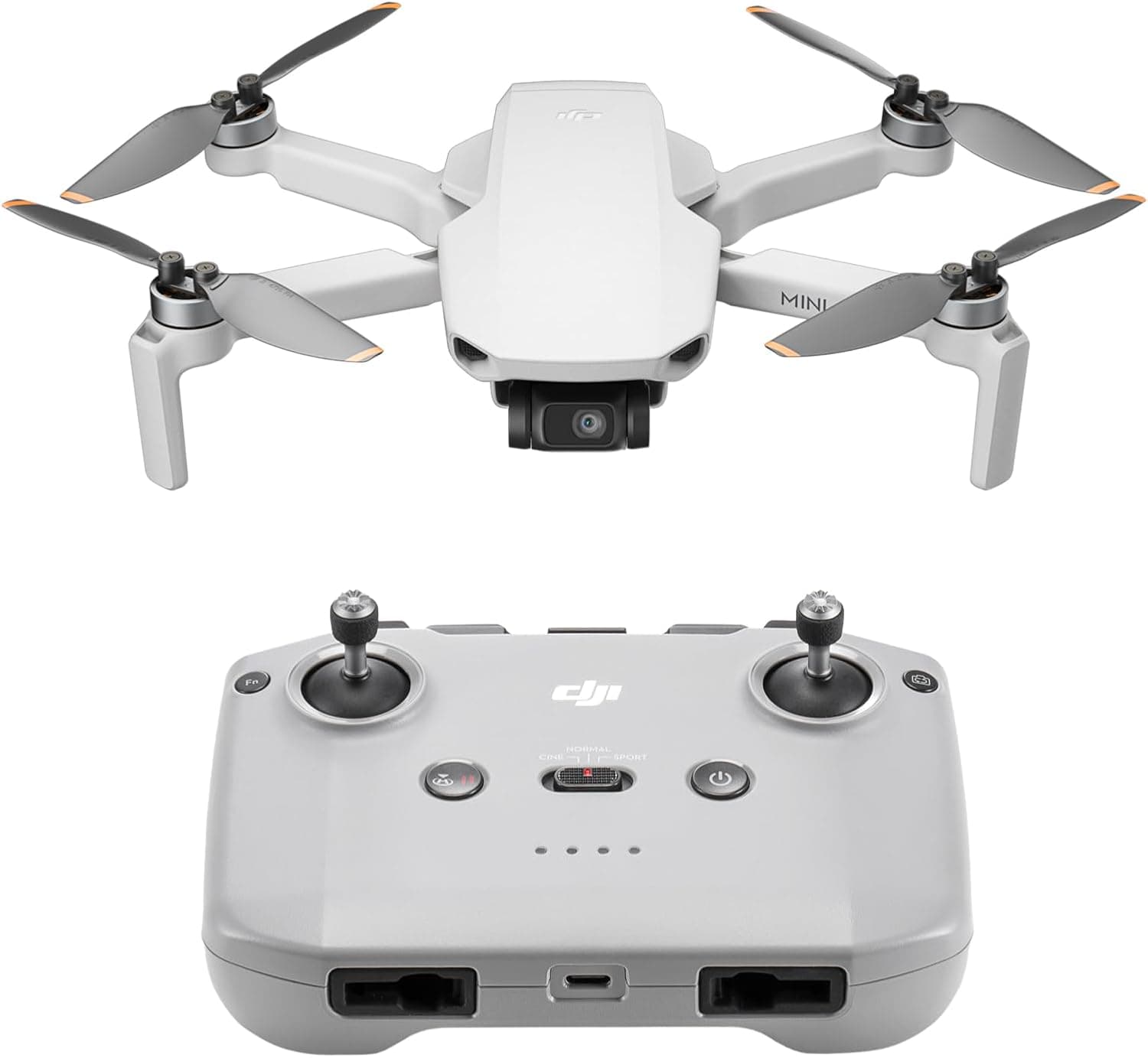
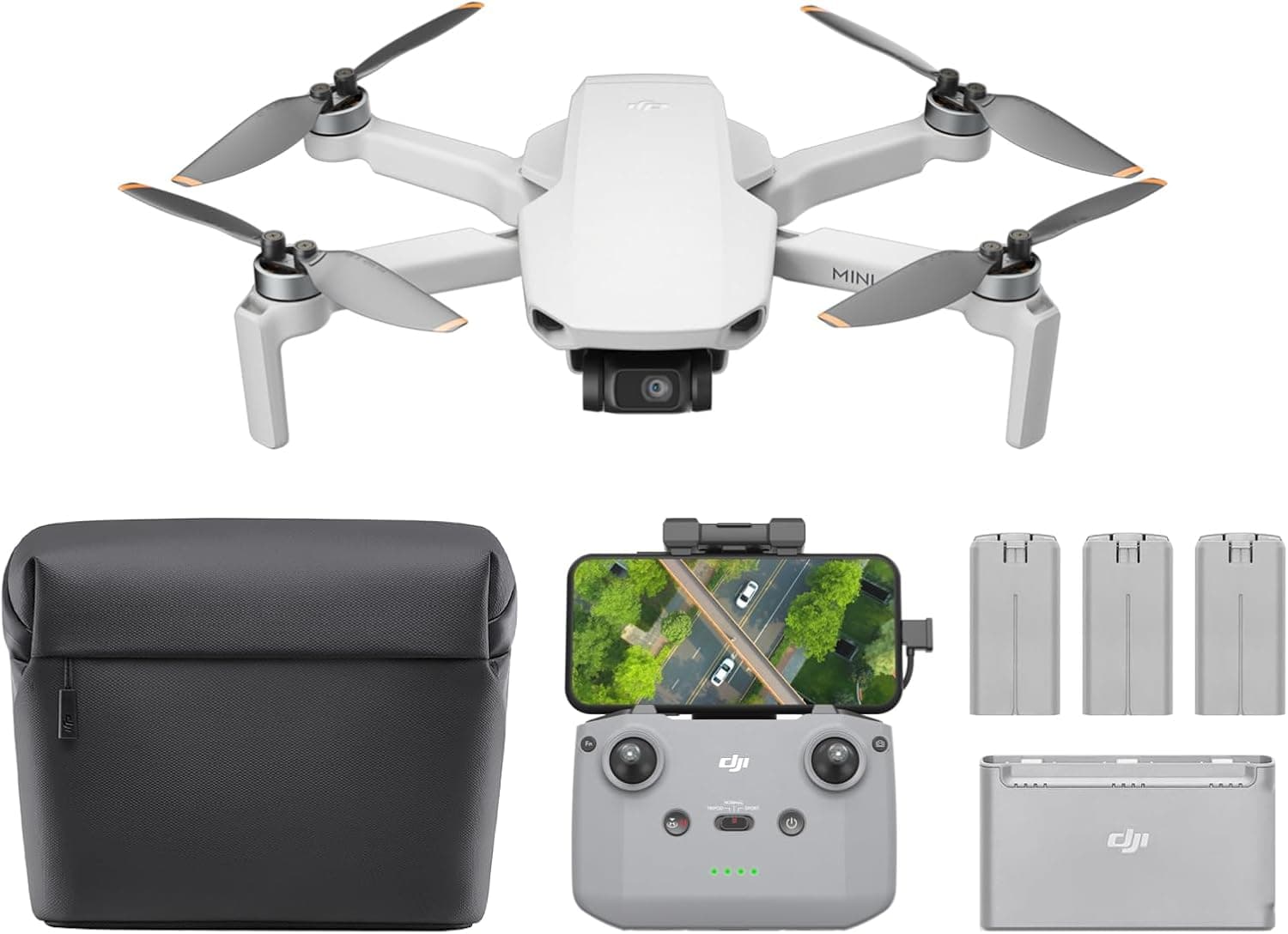
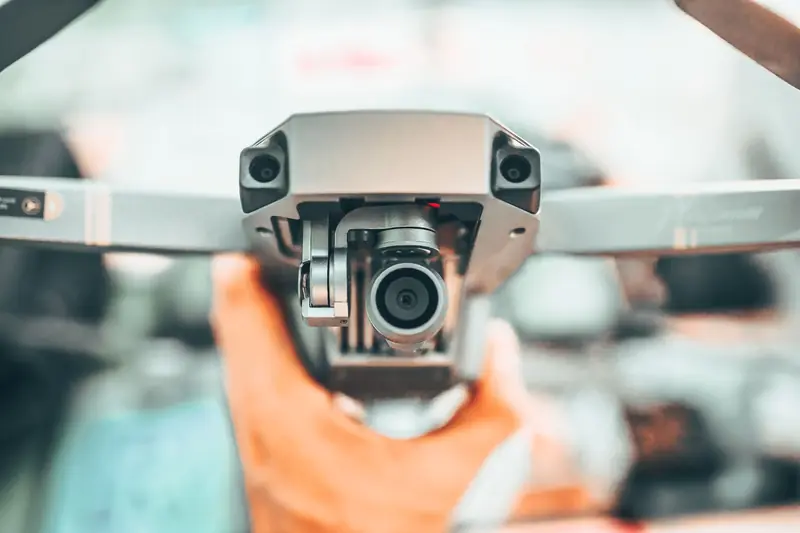
Weight is the first number to check. Anything at or under 250 grams usually falls into a lighter regulatory category in many regions, which can mean fewer registration steps for casual flying. Always confirm the current rules where you live, because they change and vary by country.
Flight time on the box is measured in ideal conditions with no wind and gentle flying. Real-world time is usually shorter, so plan on buying spare batteries if you want more than a few minutes in the air. Two or three packs turn a short session into an afternoon.
Camera specs are more than megapixels. Sensor size, stabilization, and video frame rates matter more for smooth, usable footage. A larger sensor with a gimbal will look better than a higher megapixel count on a shaky camera.
Range numbers describe the best-case signal distance, not a target to fly to. Wind, obstacles, and local interference all cut it down, and you should always keep the drone within sight. Use the range spec to compare models, not to plan how far you will actually fly.
Popular right now
- ESC explainedGlossary
- Drone Flight Modes ExplainedArticle
- Understanding Drone Motors and KV RatingsArticle
- Best FPV Antennas for Stronger Range (2026)Buying guide
- Best ESCs for FPV Drones (2026)Buying guide
- Best FPV Frames for Freestyle and Racing (2026)Buying guide
Based on the last 28 days of search and visitor data.