How to Fly Drones Safely in Cold Weather
Published How we research
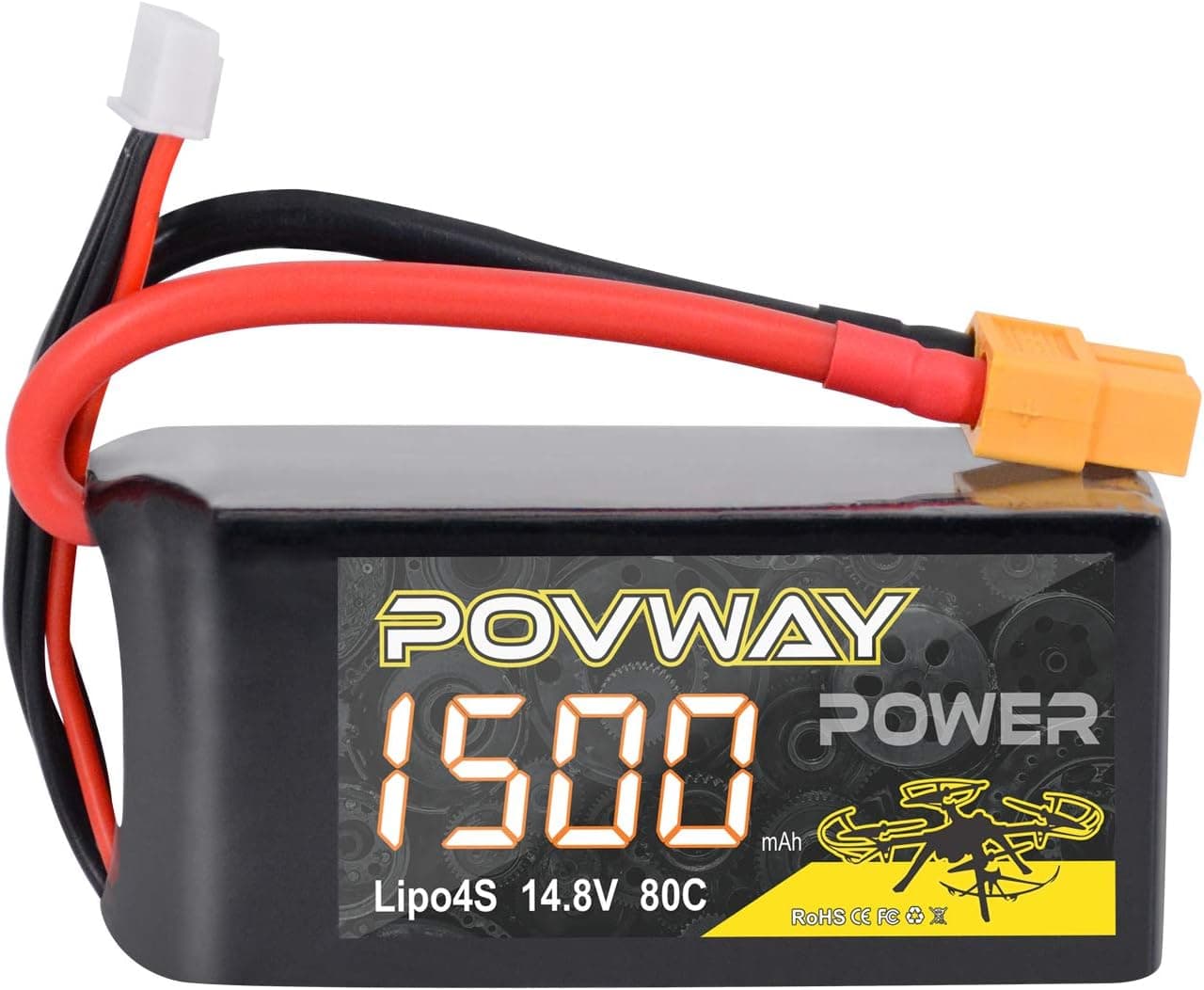
Crisp autumn and winter days can offer beautiful light and clear air for drone flying, but cold temperatures affect batteries, electronics and pilots. LiPo batteries lose capacity and deliver less power when cold, which can cause sudden voltage sag and unexpected landings. Preparation and more conservative flying keep cold weather sessions safe.
Keep batteries warm
Cold LiPo batteries have higher internal resistance, which reduces available power and can cause voltage to drop sharply under load. Store batteries in an insulated bag or inside your jacket until just before flying.
Some pilots use battery warmers or hover gently for a short time to warm the pack before aggressive flying. Avoid charging batteries while they are cold; let them return to room temperature first.
Watch voltage and flight time
Expect shorter flights in the cold. Set low-voltage warnings conservatively and land earlier than usual, since voltage can drop quickly once the battery is under heavy load.
Monitor voltage in the OSD or app throughout the flight, especially when climbing, punching out or fighting wind. Sudden sag is a sign to land immediately.
Protect electronics from moisture
Moving drones from cold outdoor air into a warm car or house can cause condensation on electronics and camera lenses. Place drones in a closed case and let them warm up gradually.
Avoid flying in snow, freezing fog and precipitation unless the drone is designed for it. Moisture can short electronics and ice can build on propellers, reducing lift.
Check props and mechanical parts
Plastic propellers can become brittle in very cold temperatures and crack on impact. Inspect props before each flight and carry spares.
Grease and lubricants can stiffen in the cold, and gimbals on camera drones may behave unusually until warmed. Let camera drones run for a minute before takeoff so gimbals and sensors stabilise.
Stay warm and follow rules
Cold fingers make precise stick control difficult. Touchscreen-compatible gloves, thin liner gloves or hand warmers help maintain dexterity for longer sessions.
Shorter daylight hours mean planning flights carefully and following local regulations regarding flying after sunset. Check weather conditions, wind chill and airspace restrictions before heading out.
After the session
Bring batteries inside and let them warm to room temperature before charging or putting them into storage mode. Check packs for puffing, which cold, heavy loads can accelerate, and retire any battery that swells or will not balance properly.
Wipe moisture from the drone once it has warmed up, check motors for water or ice and review flight logs or DVR footage for voltage sag events. Noting how long each battery lasted in the cold helps you set safer flight times for the next winter outing.
Products from this article
The highest-scoring picks from the buying guides mentioned above. Scores are our editorial assessment, not customer ratings.
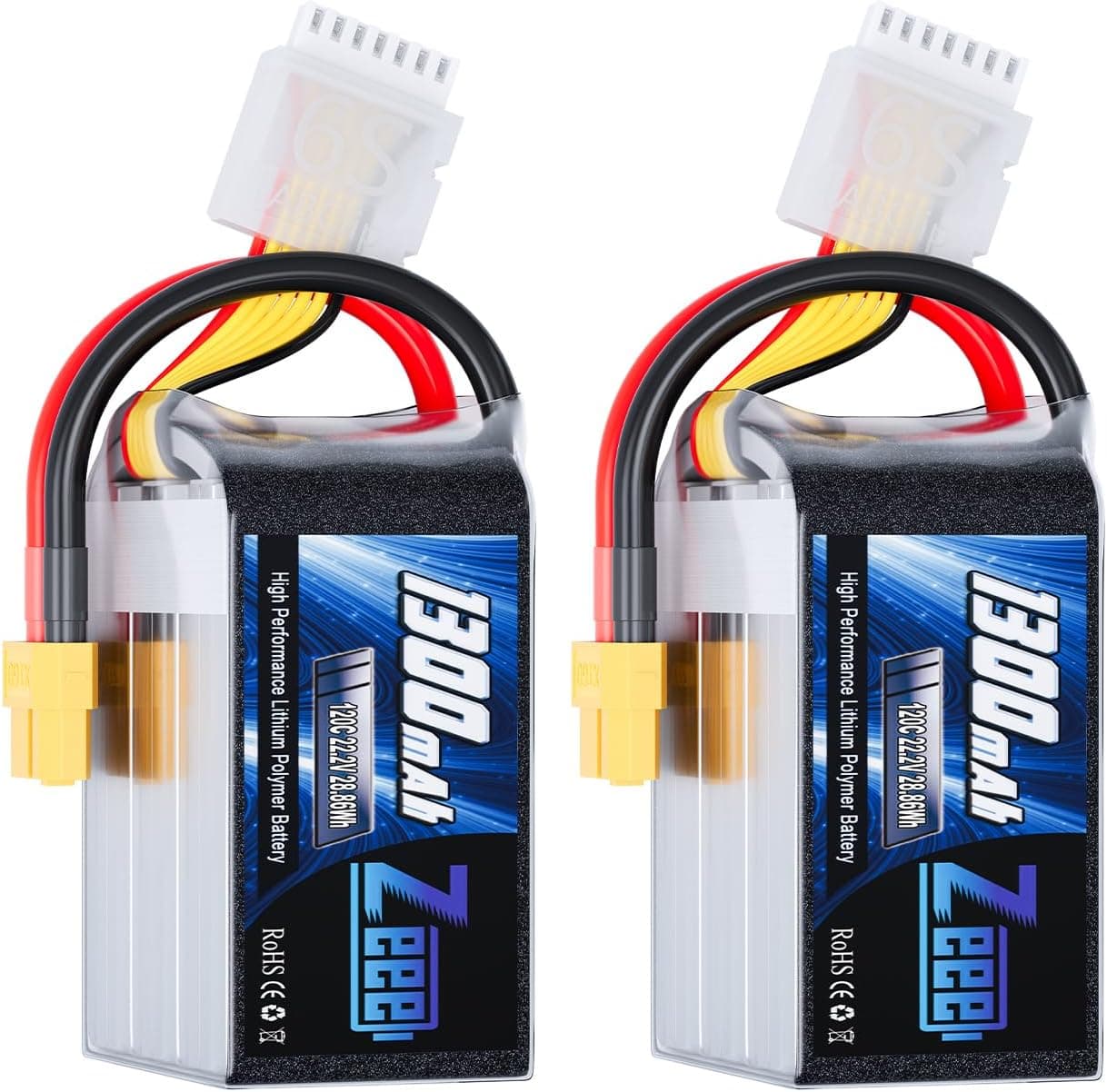
+ 6S voltage gives stronger punch and efficiency on 6S-ready quads
From our guide: Best LiPo Batteries for Drones and FPV (2026)
+ Sized for whoop batteries, so dozens of small packs stay in one place
From our guide: Best LiPo Safe Bags for Fireproof Storage (2026)
+ Sized for 65/75mm whoops, so tiny quads stay protected
From our guide: Best Storage Cases for FPV Drones and Gear (2026)
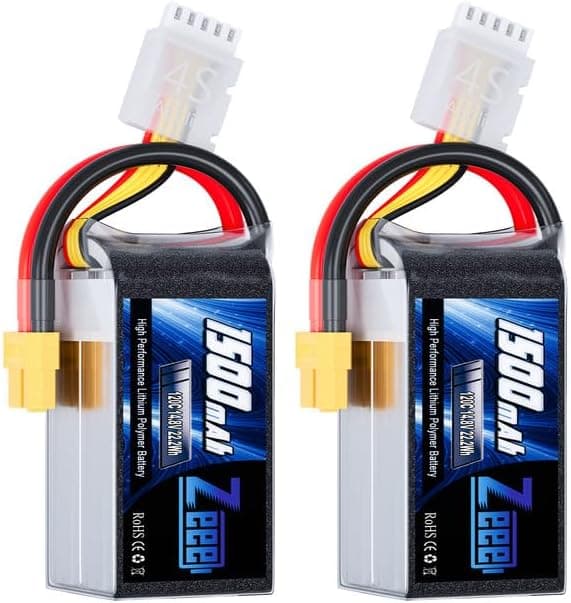
+ 120C graphene cells deliver strong punch with lower internal resistance
From our guide: Best LiPo Batteries for Drones and FPV (2026)

Popular right now
- Understanding Drone Motors and KV RatingsArticle
- Tiny Whoop GuideArticle
- Best Long-Range Drones for Distance Flying (2026)Buying guide
- Best FPV Antennas for Stronger Range (2026)Buying guide
- Drone Flight Modes ExplainedArticle
- Best Racing Drones for Speed and Precision (2026)Buying guide
Based on the last 28 days of search and visitor data.