First Drone Flight Tips
Published How we research
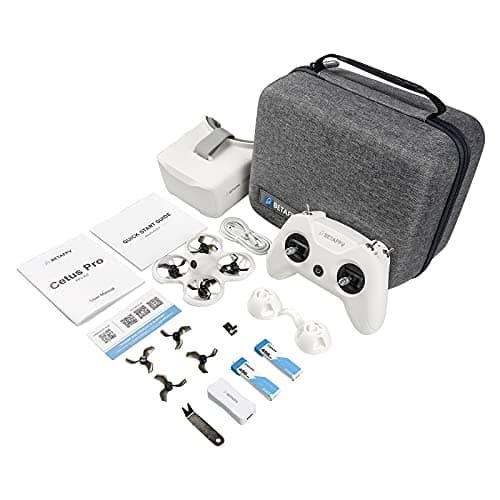
Your first drone flight is exciting, and a little preparation makes all the difference between a joyful start and a stressful one. New pilots often rush into the air, only to feel overwhelmed by the controls or spooked by an unexpected gust. By slowing down, choosing the right setting, and following a simple plan, you can make your maiden flight smooth and confidence-building. These tips are about setting yourself up for early success.
Products from this article
The highest-scoring picks from the buying guides this article links to. Scores are our editorial assessment, not customer ratings.
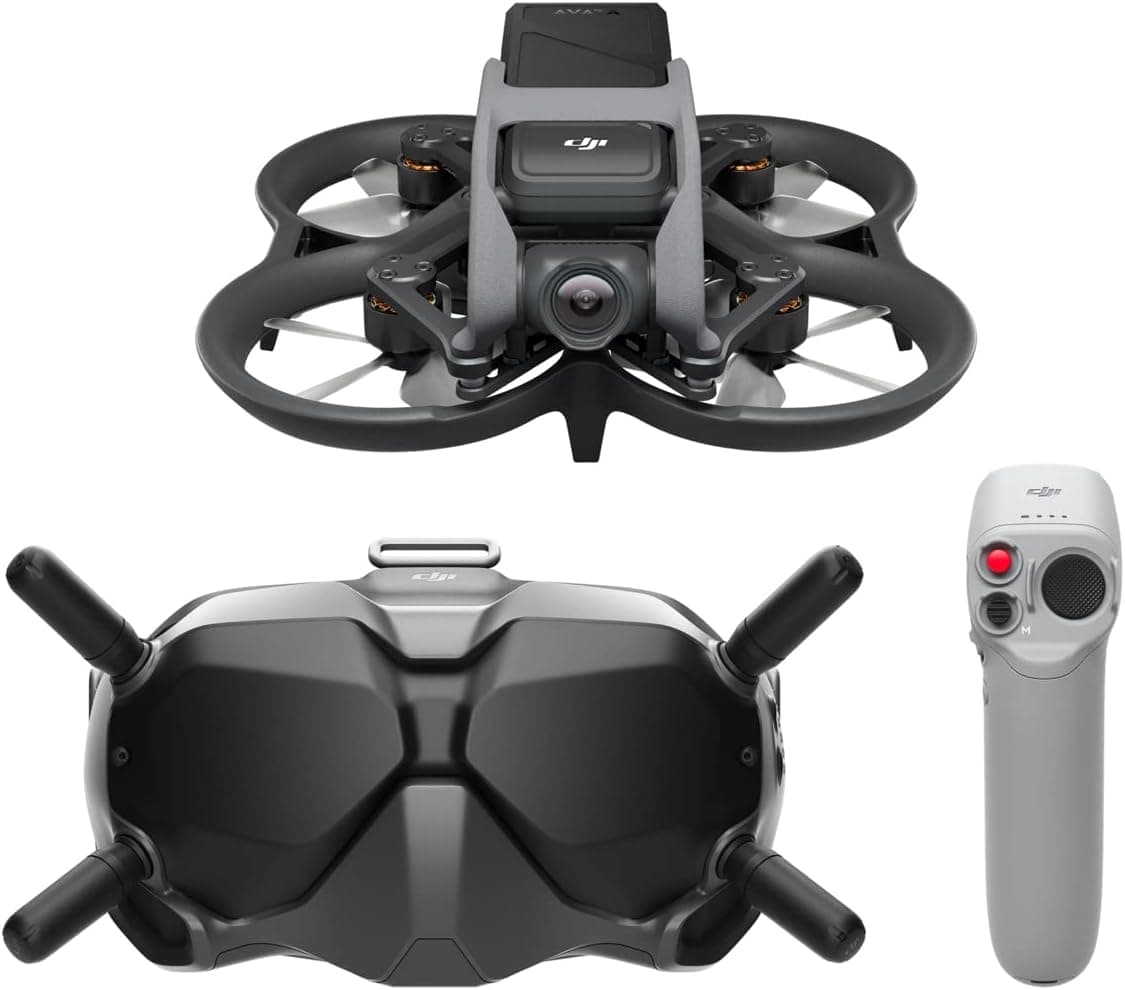
+ Goggles 3 give a sharp, low latency digital view for smooth immersive flights
From our guide: Best FPV Drones for Immersive Flight (2026)
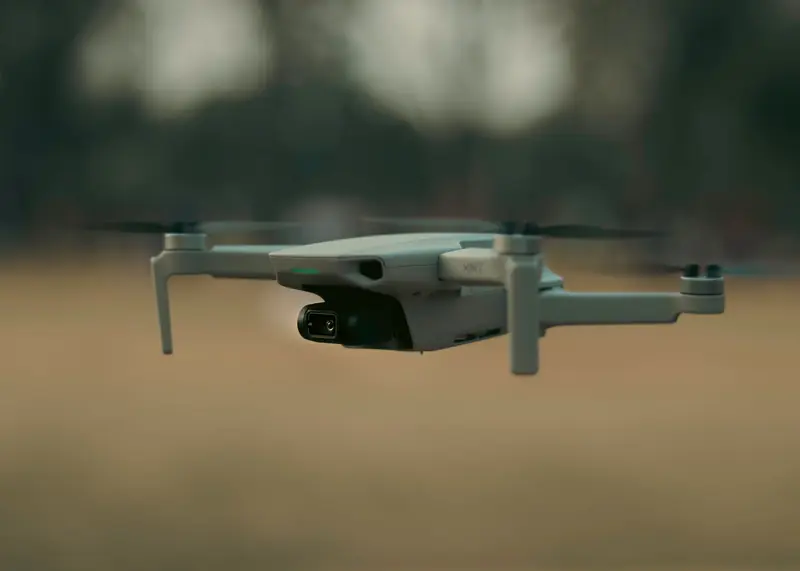
+ Small, light mini drone is less likely to cause damage when a beginner crashes indoors
From our guide: Best Kids Drones for Safe, Simple Fun (2026)
+ Micro-OLED screens give deep blacks and sharp detail for immersive flying
From our guide: Best FPV Goggles for Immersive Flying (2026)
+ FPV Goggles V2 are included, so the combo is ready to fly out of the box
From our guide: Best FPV Drones for Immersive Flight (2026)
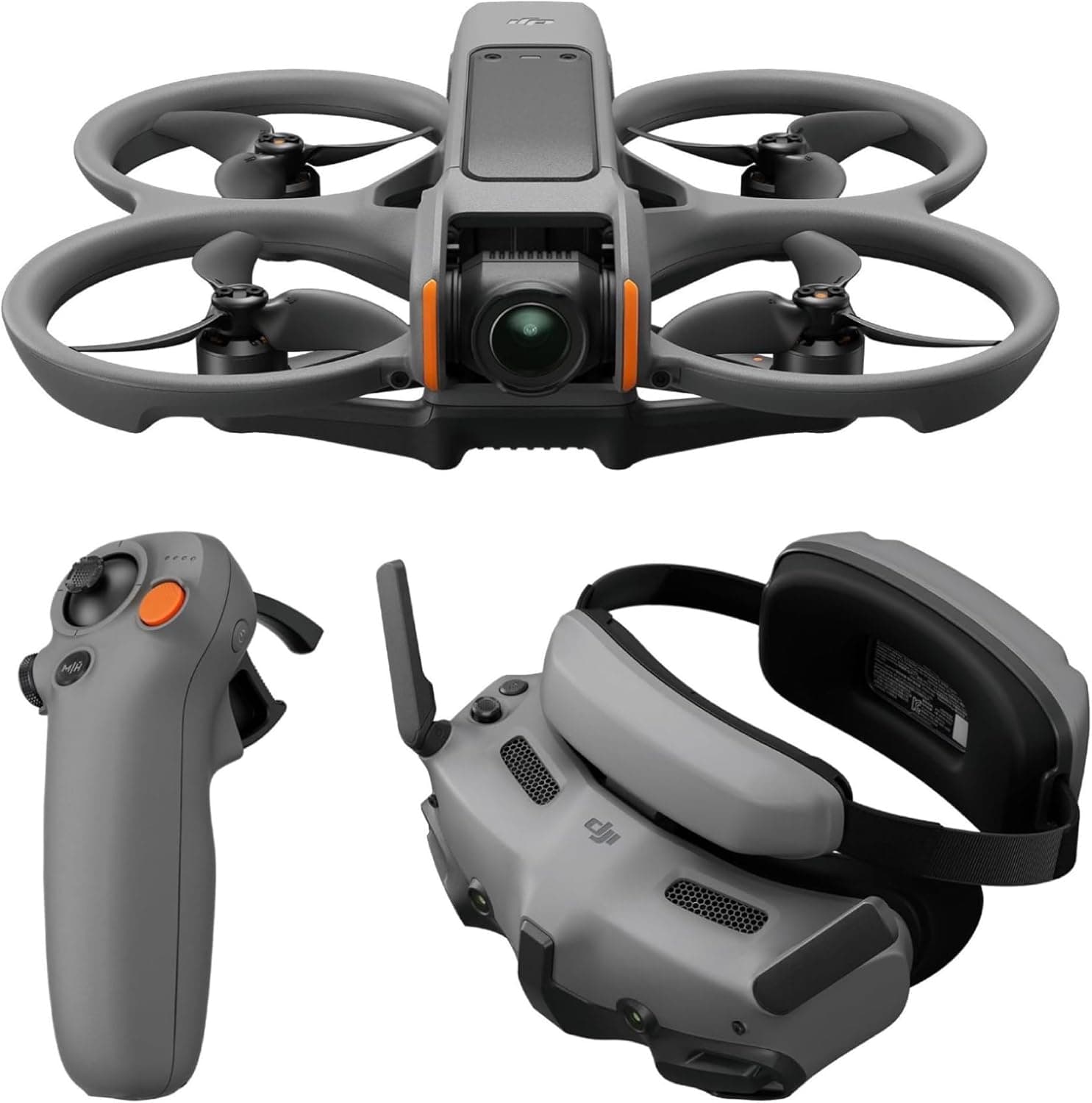
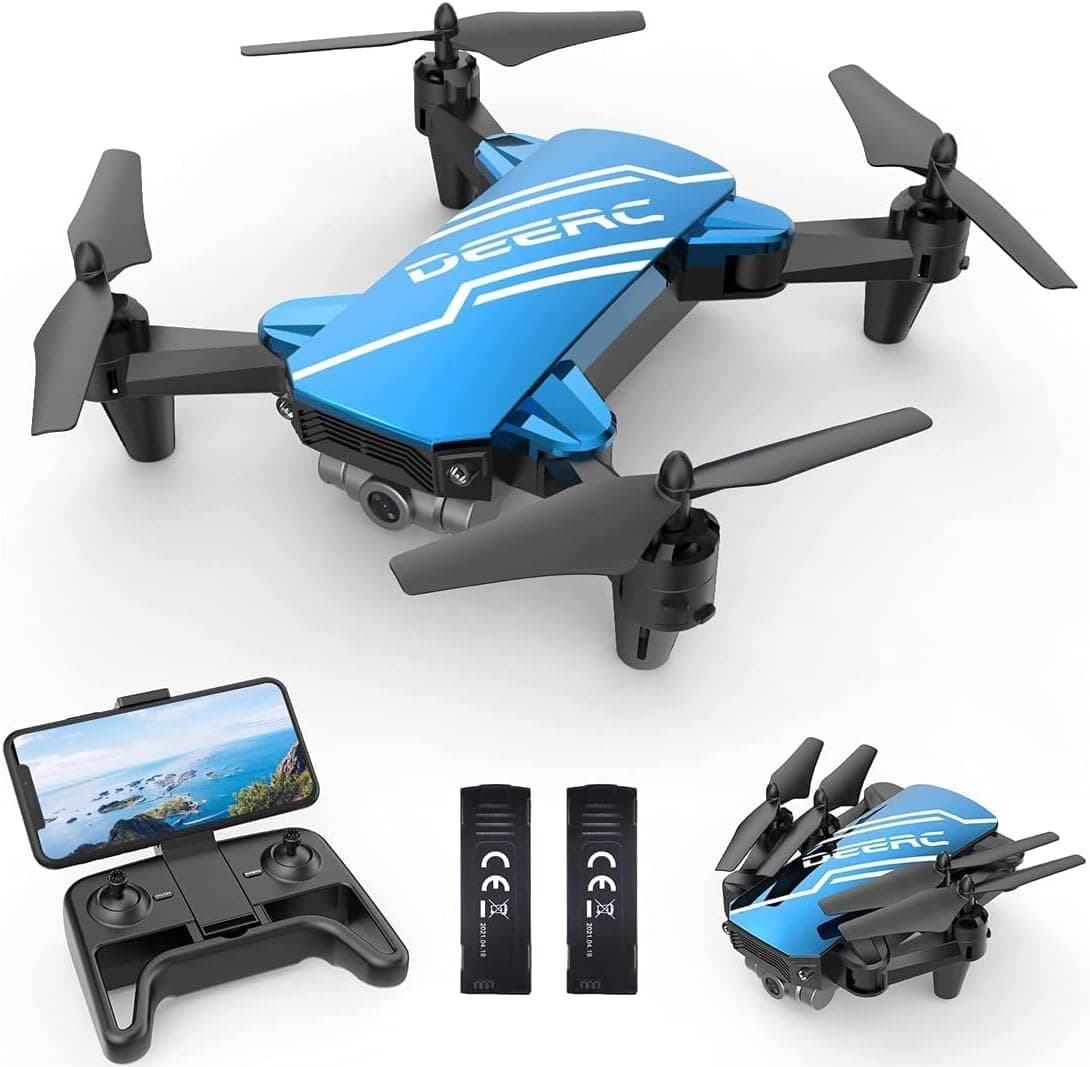
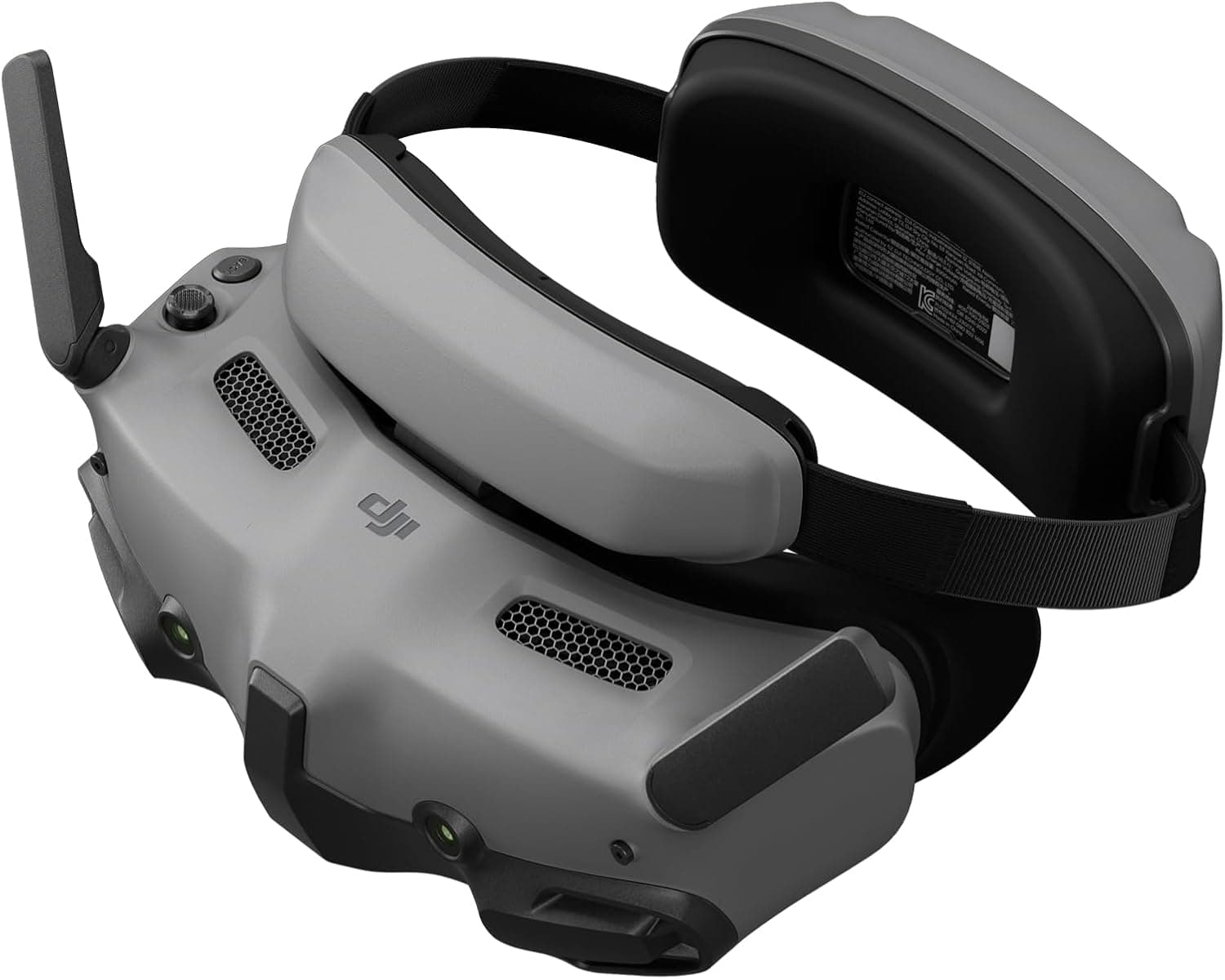
Choosing the right location is your first and most important decision. Look for a large, open space away from people, buildings, trees, and power lines, ideally on a calm day with little wind. Wide open areas give you room to make mistakes without consequences and make it easy to keep your drone in sight. Avoid crowded parks and confined spaces for your first flights, since obstacles and bystanders add unnecessary pressure.
A pre-flight check builds good habits from the very beginning. Confirm your battery is fully charged, your propellers are secure and undamaged, and your controller is properly connected. If your drone uses GPS, wait for a solid satellite lock before taking off. Taking a minute to run through these checks each time you fly prevents avoidable problems and instills a routine that will serve you throughout your flying journey.
Start with simple, gentle inputs rather than dramatic maneuvers. Take off, hover at a comfortable low height, and practice small movements to get a feel for how the drone responds. Move slowly, keep the aircraft close, and focus on smooth, deliberate stick movements. Learning to hover steadily and make gentle turns builds the muscle memory that everything else depends on, so resist the urge to fly fast or far too soon.
Finally, manage your attention and your battery. Keep your drone within clear sight at all times, and bring it back to land with plenty of charge to spare rather than flying until the battery is nearly empty. End each session before you feel tired or overconfident, since fatigue leads to mistakes. Celebrate small wins, and remember that every experienced pilot started exactly where you are, one careful flight at a time.
Popular right now
- ESC explainedGlossary
- Drone Flight Modes ExplainedArticle
- Understanding Drone Motors and KV RatingsArticle
- Best FPV Antennas for Stronger Range (2026)Buying guide
- Best ESCs for FPV Drones (2026)Buying guide
- Best FPV Frames for Freestyle and Racing (2026)Buying guide
Based on the last 28 days of search and visitor data.