How to Choose Your First Camera Drone
Published How we research
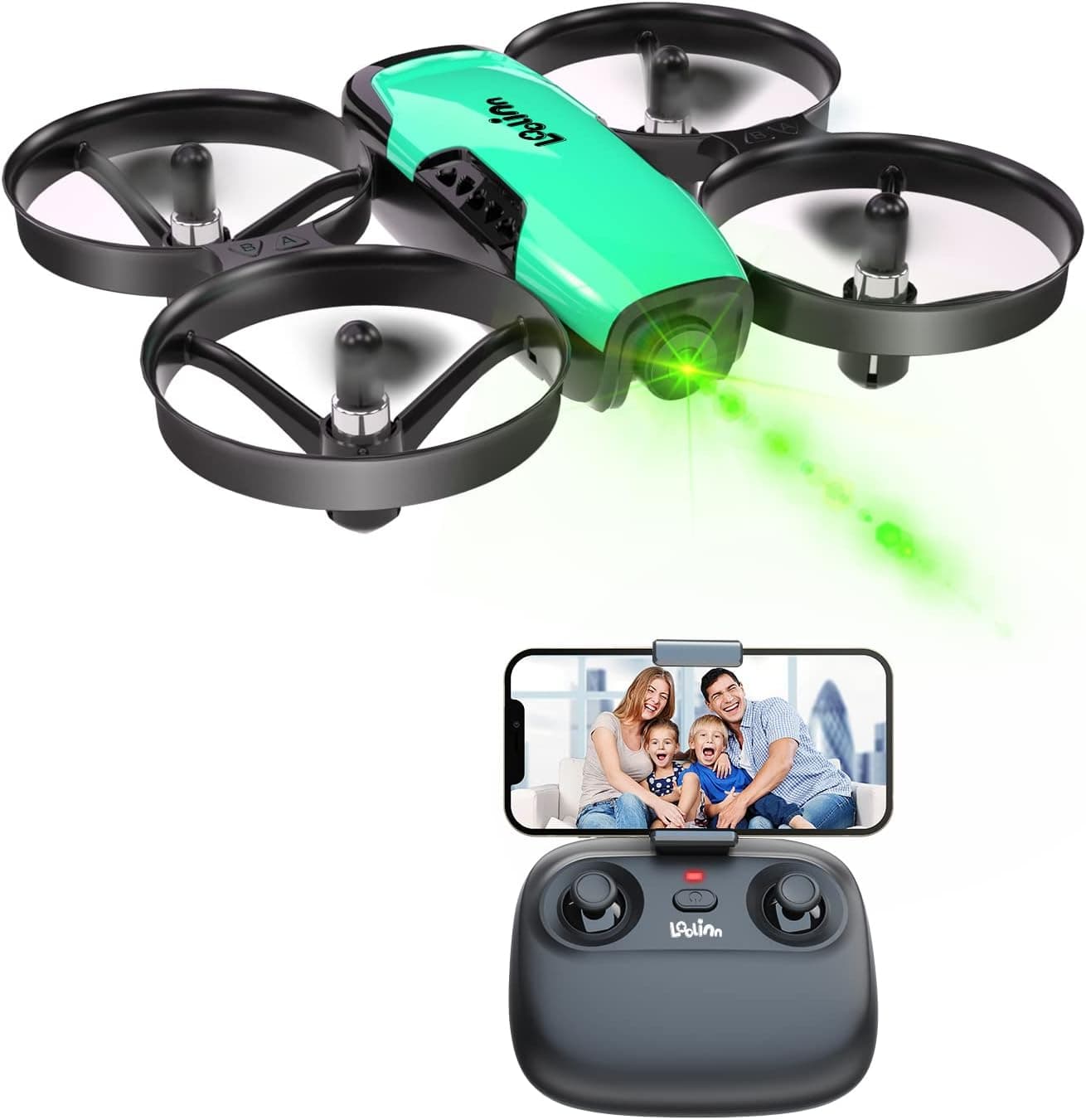
Choosing your first camera drone can feel overwhelming because the category spans everything from palm-sized toys to professional aerial platforms. The good news is that most beginners share the same core needs: a stable hover, a decent camera, easy controls, and a price that does not sting if you crash. Before you compare any two drones, get clear on what you actually want to do with it, whether that is filming travel clips, learning aerial photography, or simply having fun in the backyard.
Products from this article
The highest-scoring picks from the buying guides this article links to. Scores are our editorial assessment, not customer ratings.
+ Brushless motor lasts longer and runs more efficiently than brushed beginner motors
From our guide: Best Beginner Drones for First-Time Pilots (2026)
+ Waypoint Fly lets you draw a route in the app, so the drone flies it while you film
From our guide: Best Foldable Drones for Travel and Portability (2026)
+ Small, light mini drone is less likely to cause damage when a beginner crashes indoors
From our guide: Best Kids Drones for Safe, Simple Fun (2026)
+ GPS hold and return features make outdoor flying relaxed for new pilots
From our guide: Best Beginner Drones for First-Time Pilots (2026)
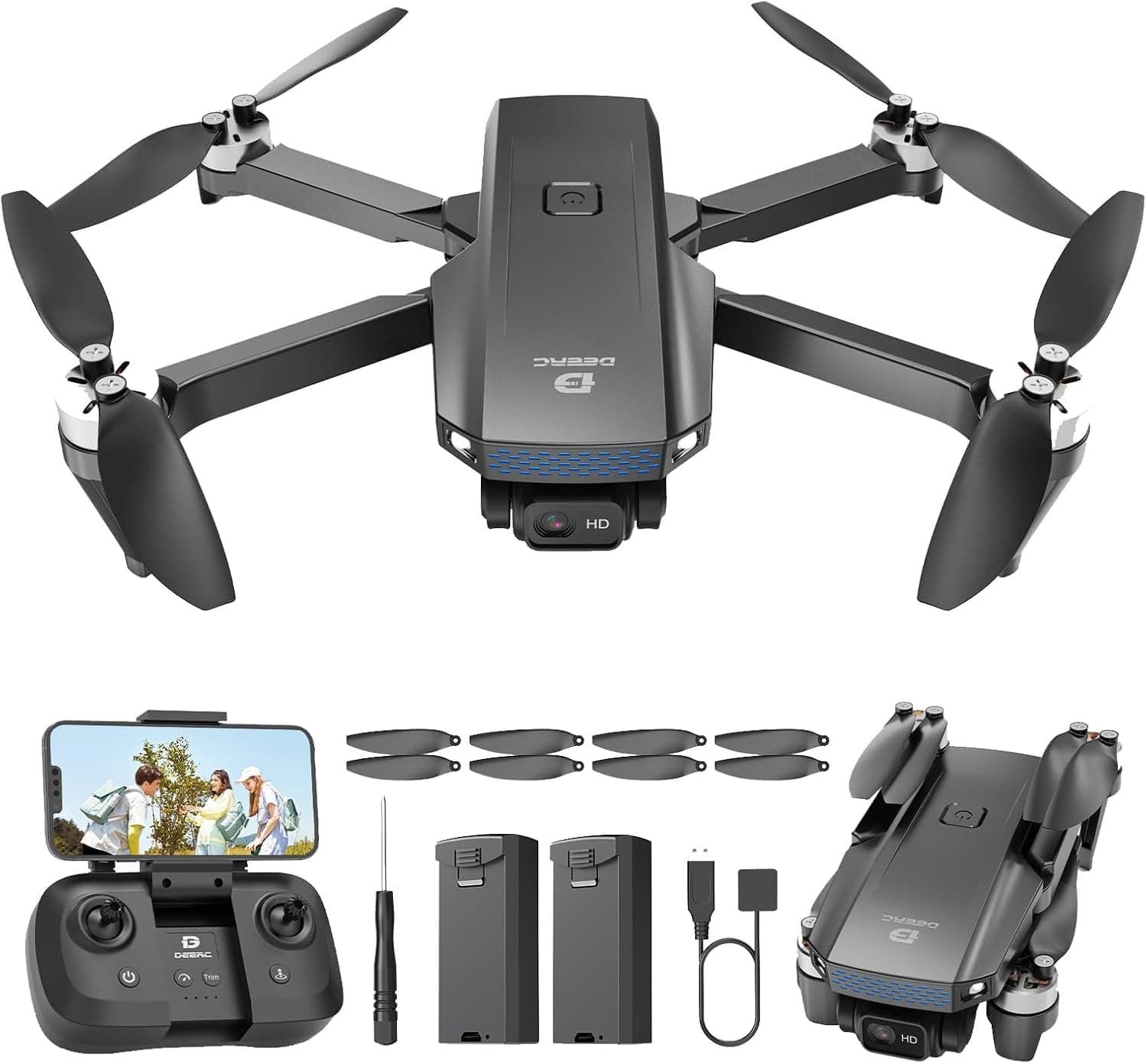
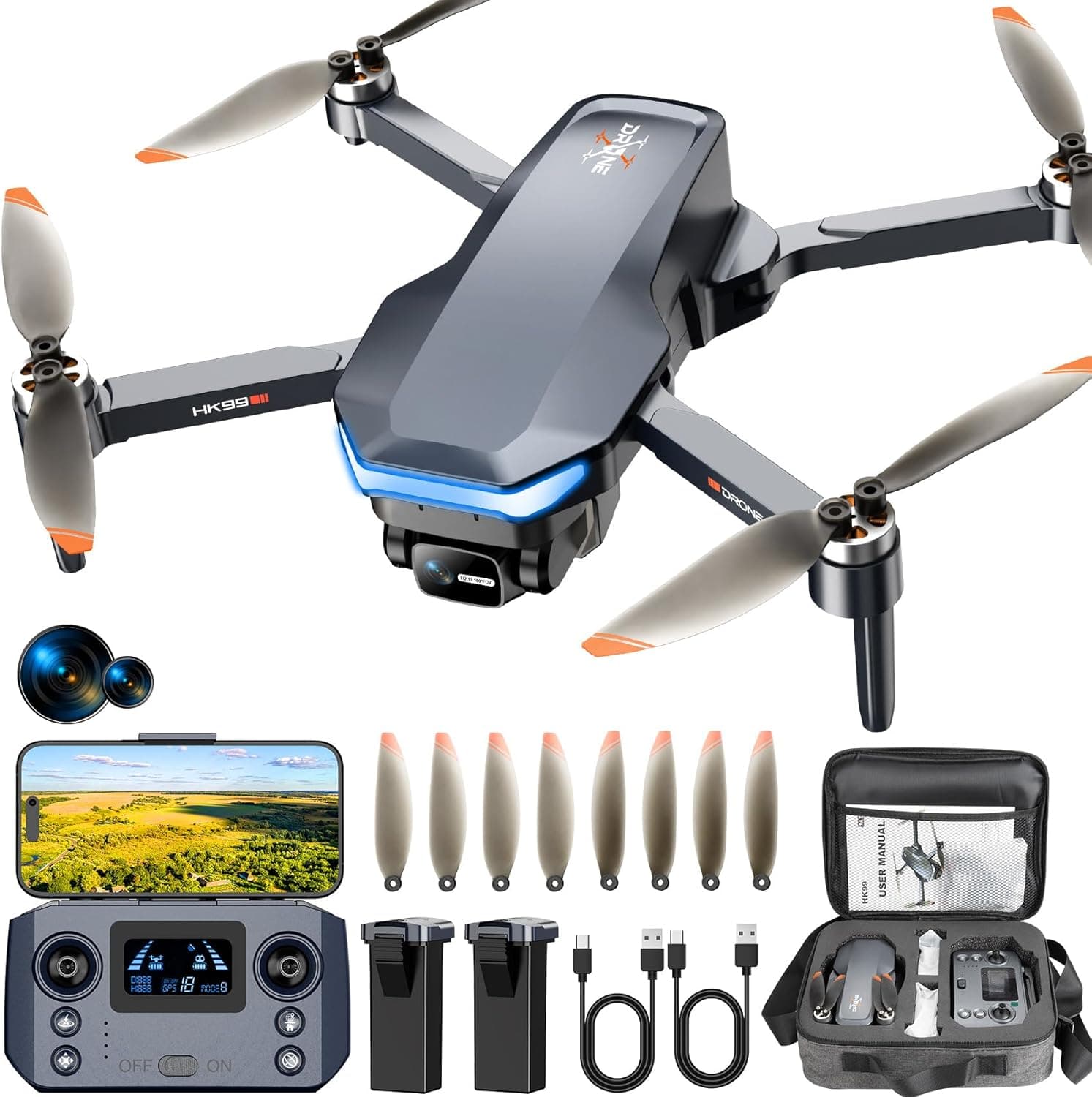
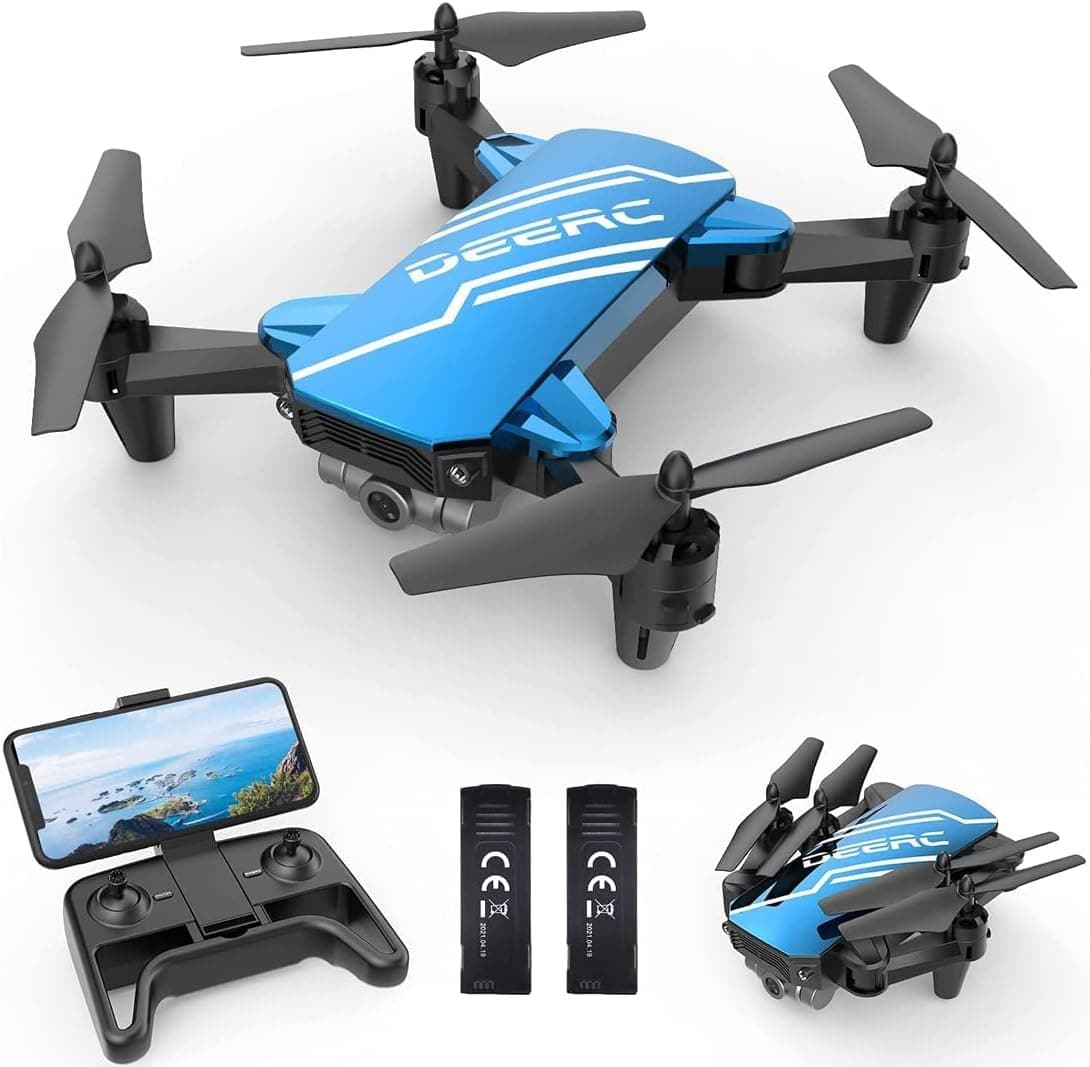
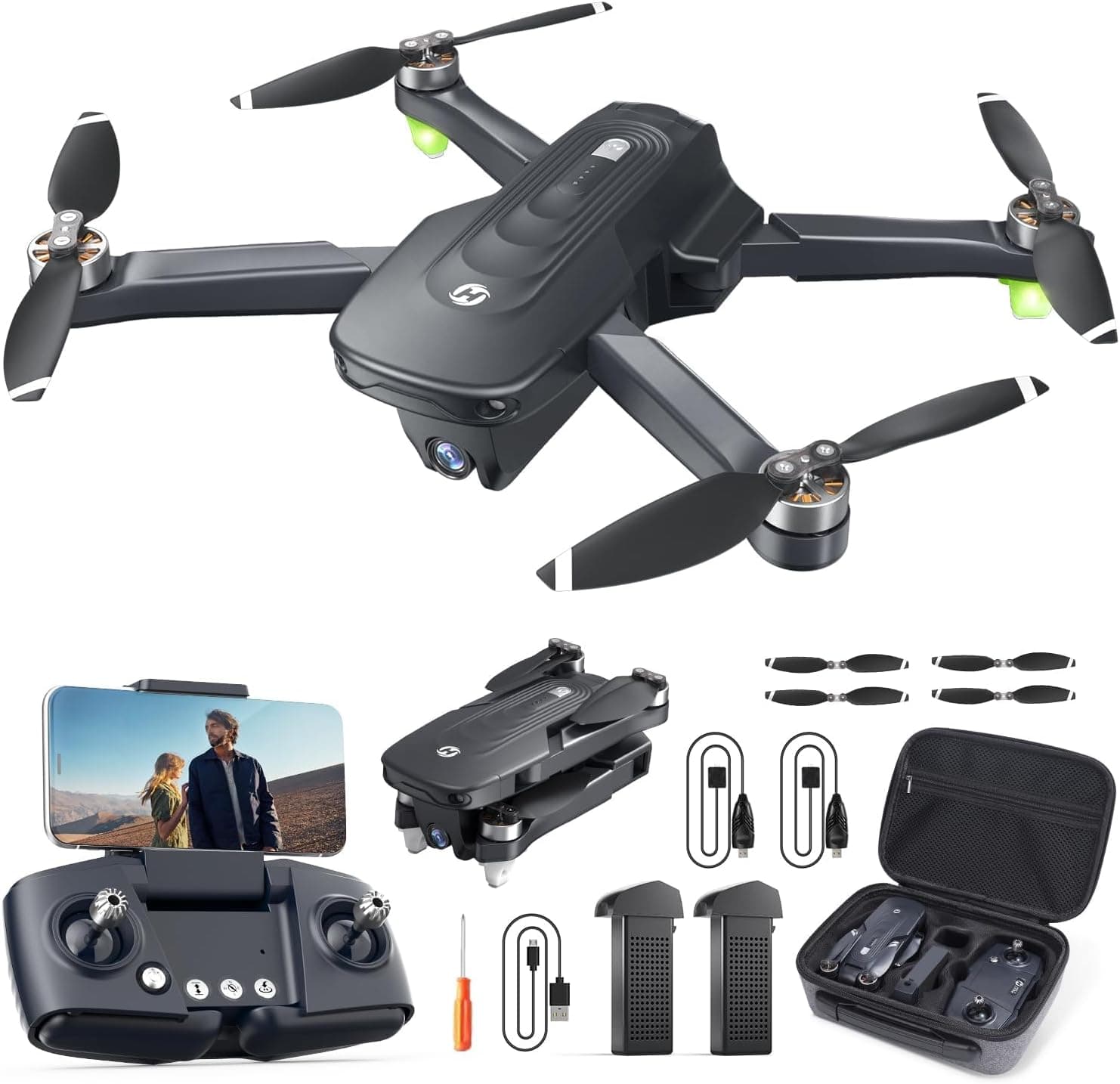
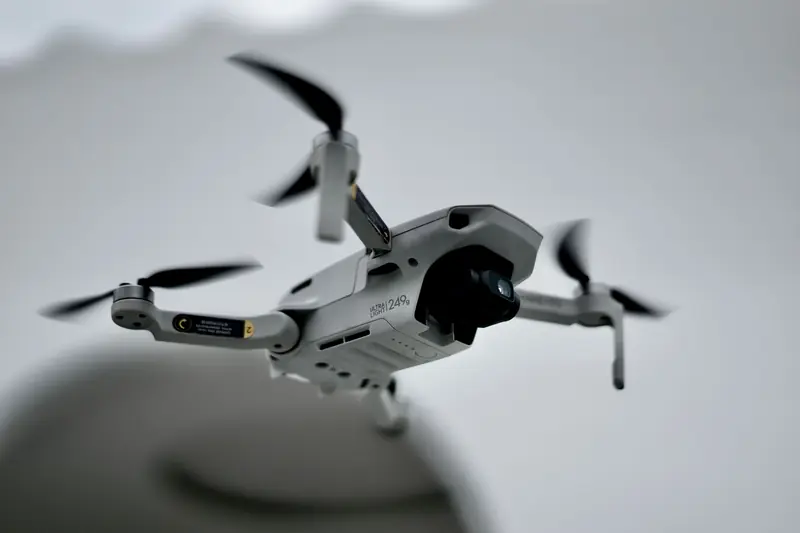
Weight is the single most important spec to understand up front because it decides which rules apply to you. Many countries treat drones under 250 grams more leniently, so a lightweight model can save you paperwork and open up more places to fly legally. Heavier drones tend to handle wind better and carry larger cameras, but they usually require registration and stricter compliance. Decide early whether you value the freedom of a sub-250g flyer or the stability of something heavier.
Camera quality matters, but do not fixate on resolution alone. A larger sensor, a stable gimbal, and good software processing often produce better real-world footage than a high megapixel count on a tiny sensor. Look for mechanical gimbal stabilization rather than purely digital cropping if smooth video is your goal. If you mostly want stills, sensor size and dynamic range will influence your results more than any single number on the box.
Flight time and range shape how enjoyable the drone is to use day to day. Entry-level drones give you shorter flights, which is fine for learning, while more capable models let you explore farther and longer. Always buy at least one or two spare batteries, because a single pack rarely feels like enough once you are hooked. Also check that the controller and app feel intuitive, since clunky software can ruin an otherwise capable machine.
Finally, think about the ecosystem and your room to grow. Some brands offer a smooth upgrade path, accessories, and strong community support, which makes learning easier and repairs less stressful. Read recent owner reviews, watch sample footage shot on the exact model you are considering, and confirm that spare parts are easy to find. A drone that is well supported will keep flying long after the novelty wears off.
Quick answers
How do I choose my first camera drone?
Decide on budget and weight class first, then prioritise GPS stability, return to home, a gimbal-stabilised camera and good app support. Check local registration rules.
Popular right now
- ESC explainedGlossary
- Drone Flight Modes ExplainedArticle
- Understanding Drone Motors and KV RatingsArticle
- Best FPV Antennas for Stronger Range (2026)Buying guide
- Best ESCs for FPV Drones (2026)Buying guide
- Best FPV Frames for Freestyle and Racing (2026)Buying guide
Based on the last 28 days of search and visitor data.