How to Choose the Right Drone Propellers
Published How we research
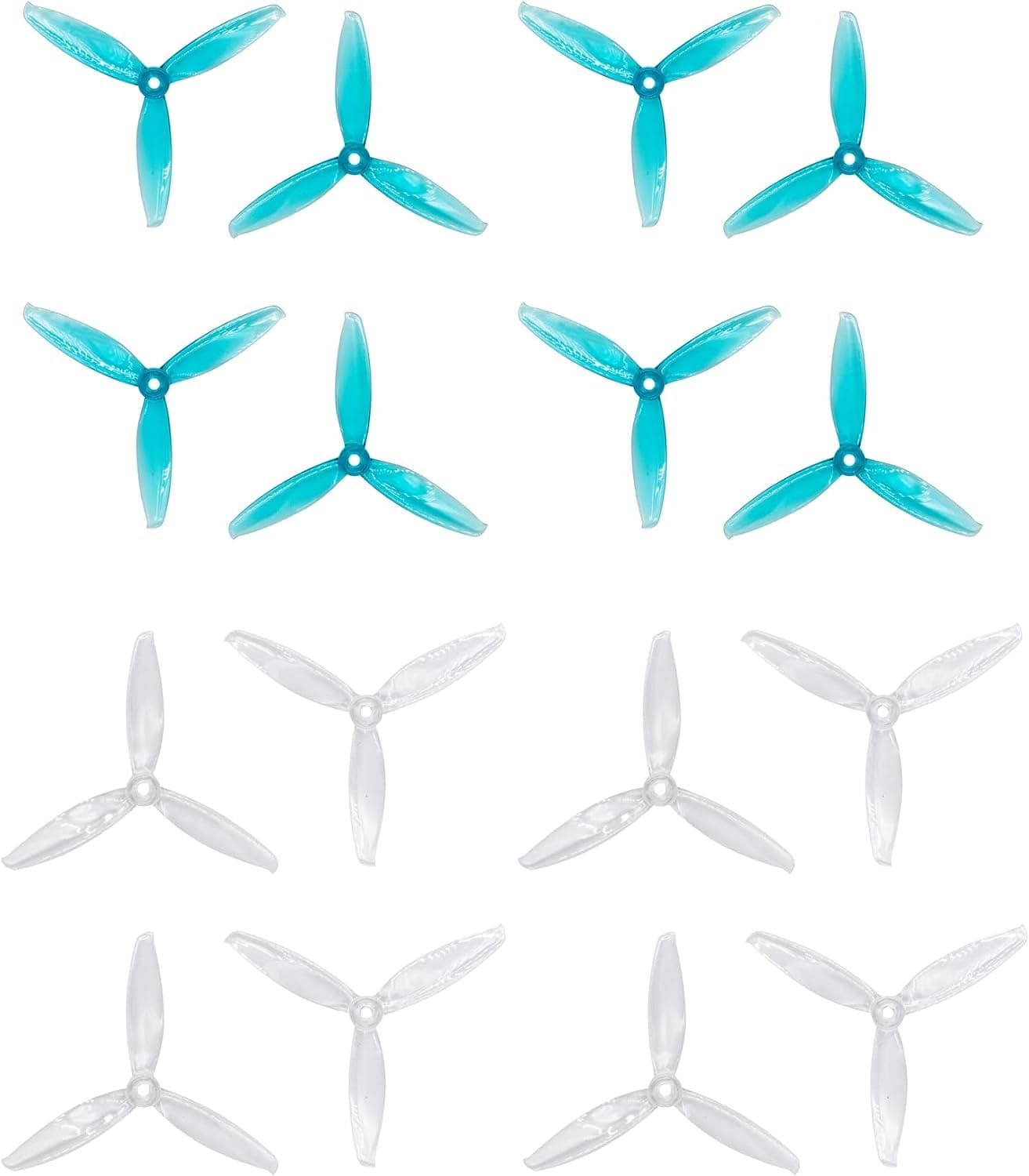
Choosing the right propellers might seem like a minor decision, but props have an outsized effect on how your drone flies. The same aircraft can feel completely different with a change of propellers, shifting from efficient and smooth to punchy and aggressive. Because props are inexpensive, they are also one of the easiest ways to experiment and tune your flight experience. Understanding how to choose them lets you dial in the feel you want.
Products from this article
The highest-scoring picks from the buying guides this article links to. Scores are our editorial assessment, not customer ratings.
+ 16pcs gives four full sets of props for crash-heavy practice
From our guide: Best Propellers for FPV Drones (2026)
+ Three KV options cover low and high voltage builds from one trusted motor line
From our guide: Best Brushless Motors for FPV Drones (2026)
+ 10 Pairs is a bulk supply of props for many sessions
From our guide: Best Propellers for FPV Drones (2026)
+ 4S 2400KV setup gives crisp throttle response for freestyle
From our guide: Best Brushless Motors for FPV Drones (2026)
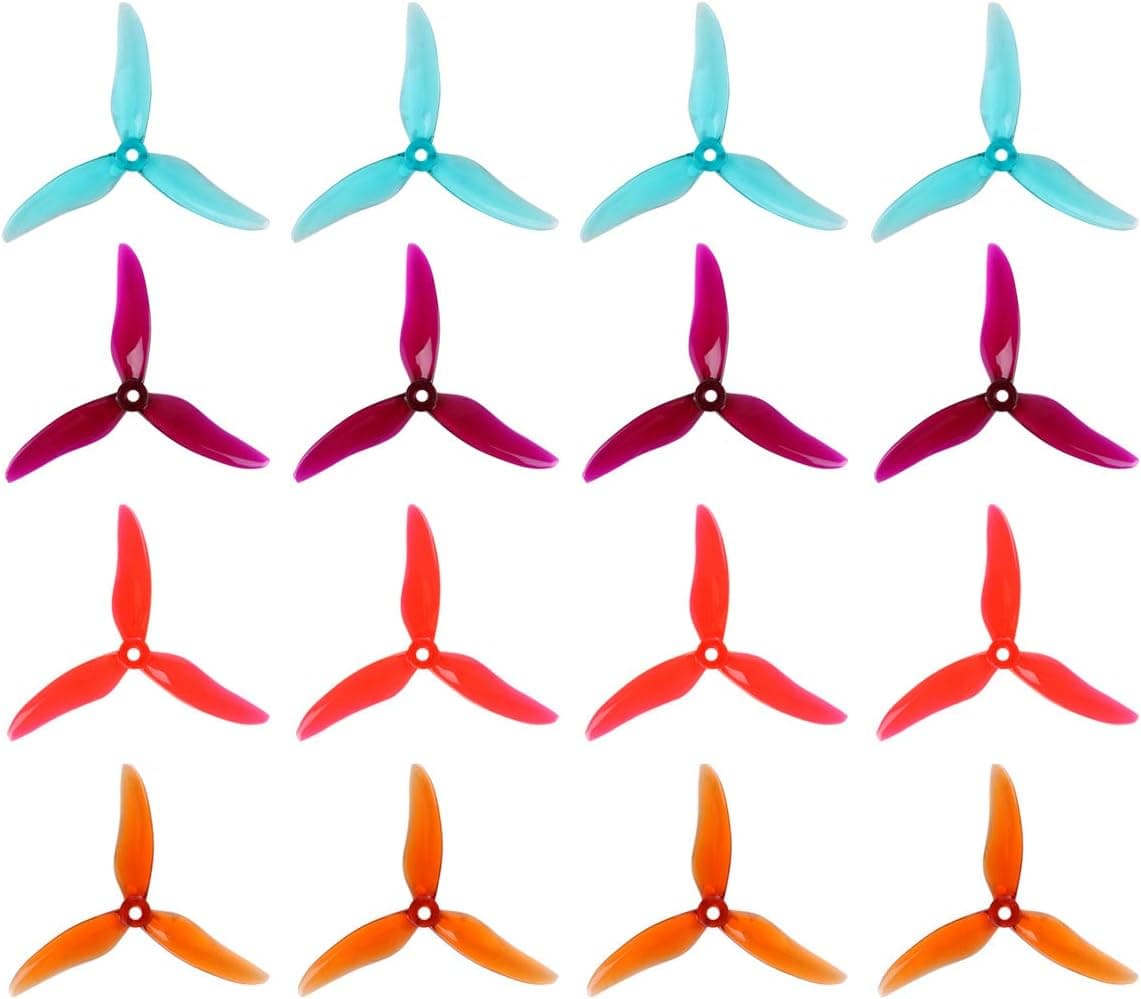
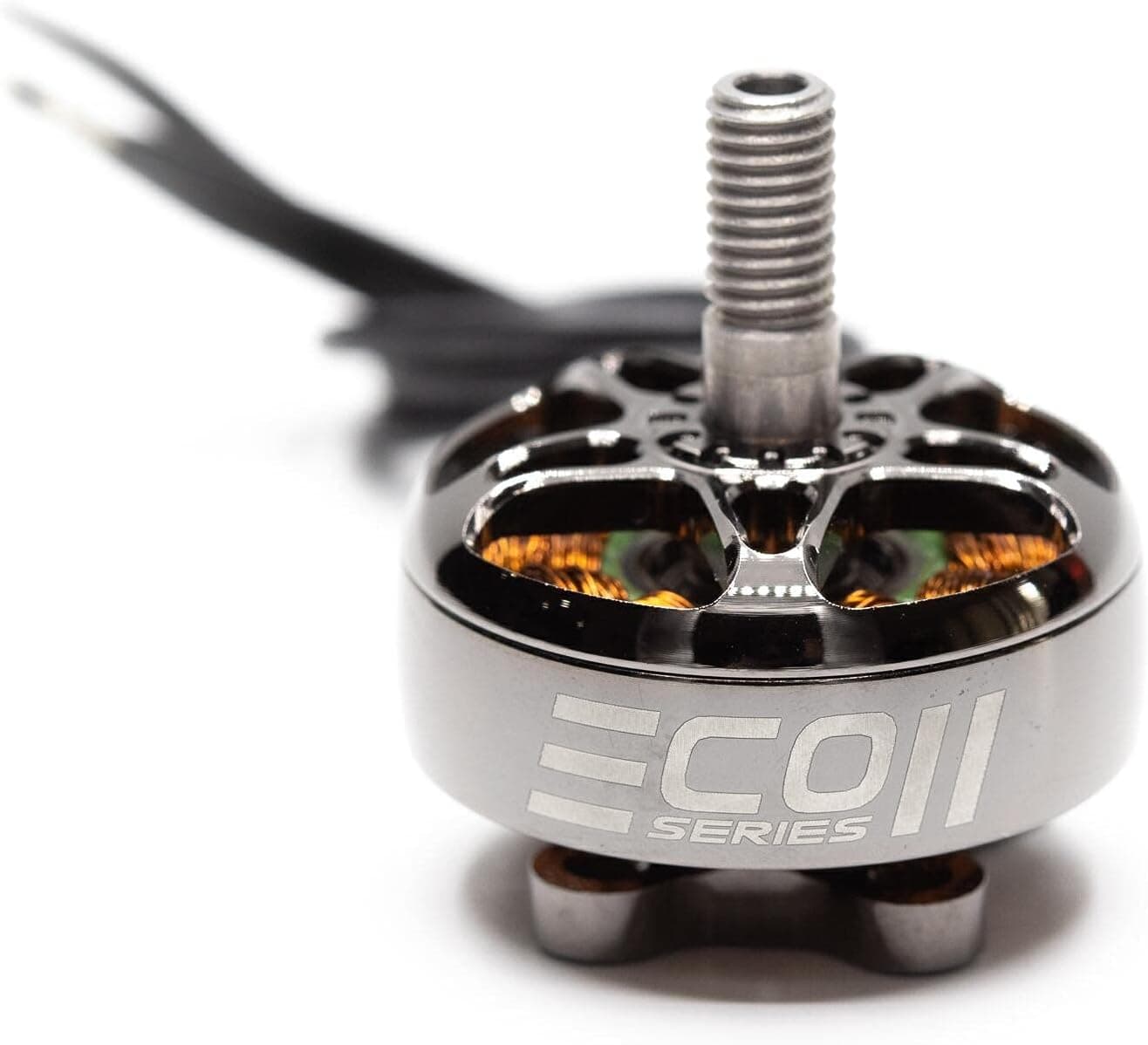
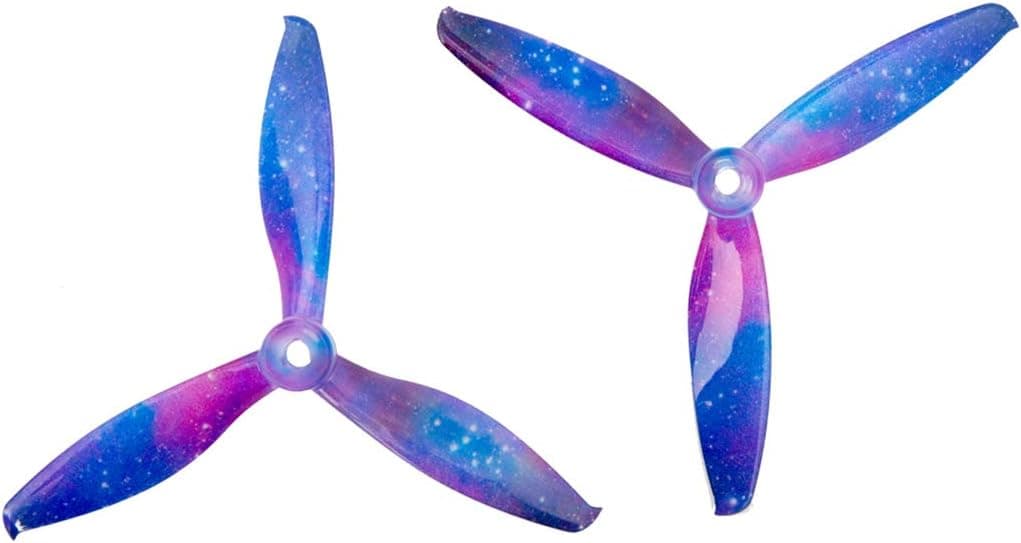
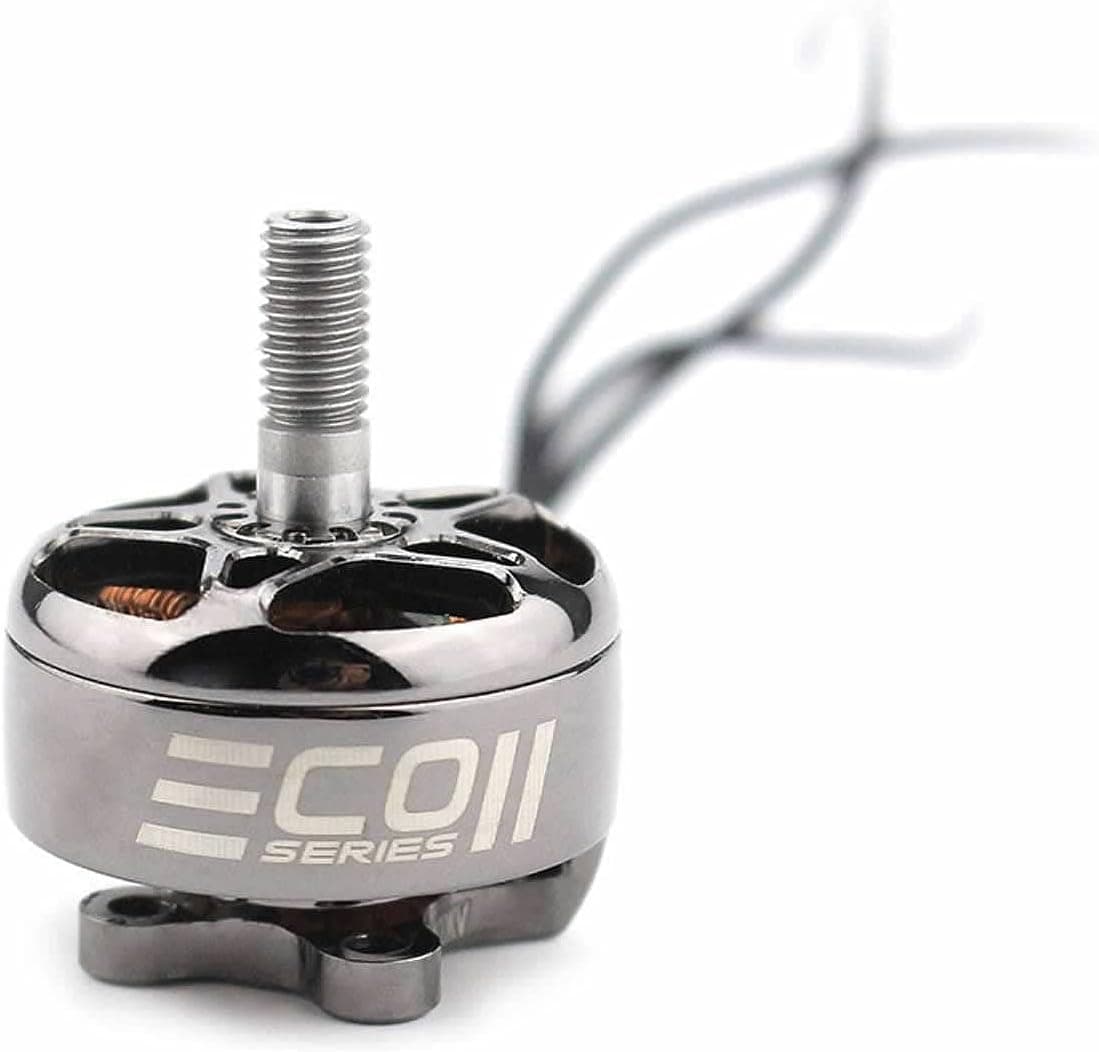
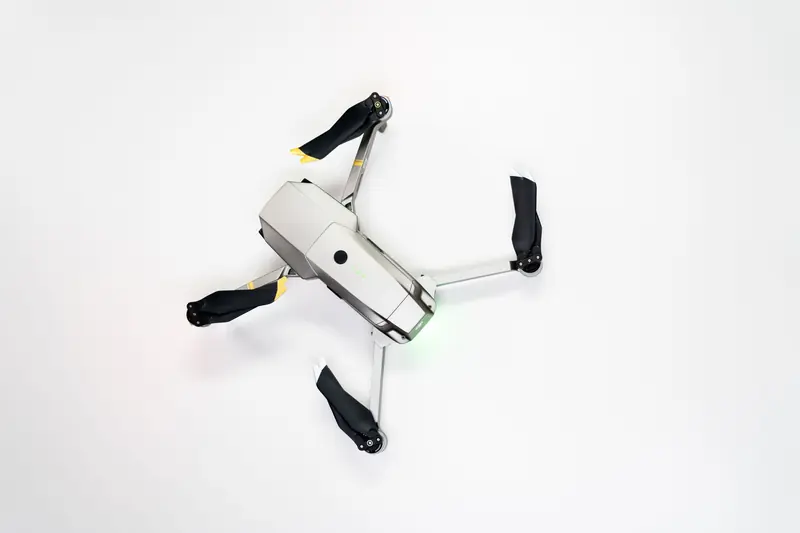
The first rule is compatibility with the rest of your setup. Propellers must suit your motors and battery voltage, since the wrong combination can overwork your motors or drain your battery too quickly. Manufacturers and community builders publish proven pairings for exactly this reason. Rather than guessing, start with a recommended prop for your motor and battery, then adjust from there once you understand how your drone behaves.
Size and pitch let you shape performance. A larger diameter generally moves more air and can improve efficiency and lift, while higher pitch tends to favor top speed at the cost of low-speed control and efficiency. These are tradeoffs, not upgrades, so the best choice depends on whether you prioritize smooth cruising, punchy acceleration, or outright speed. Small changes in these numbers can produce noticeable differences in the air.
Blade count and shape fine-tune the character further. Fewer blades tend to be more efficient and free-spinning, while more blades add grip and a locked-in feel that many freestyle pilots enjoy. The shape and material of the blade also influence smoothness and durability. Trying a few different props on the same drone is one of the best ways to feel these differences firsthand and discover your preference.
Finally, factor in your flying environment and goals. Efficient props suit long, relaxed flights and battery-conscious cruising, while more aggressive props reward tight, dynamic flying near obstacles. Keep several types on hand, swap them to match the day's plan, and always inspect for damage before flying. Because propellers wear and break, maintaining a well-stocked supply of spares ensures you are never grounded by a cracked blade.
Popular right now
- ESC explainedGlossary
- Drone Flight Modes ExplainedArticle
- Understanding Drone Motors and KV RatingsArticle
- Best FPV Antennas for Stronger Range (2026)Buying guide
- Best ESCs for FPV Drones (2026)Buying guide
- Best FPV Frames for Freestyle and Racing (2026)Buying guide
Based on the last 28 days of search and visitor data.