LiPo Battery Safety and Storage
Published How we research
Lithium polymer batteries, known as LiPos, power most FPV drones and many camera drones because they deliver enormous energy in a light package. That power comes with responsibility, since a mishandled LiPo can swell, catch fire, or become dangerous. The good news is that safe LiPo practice is straightforward once you understand a few key principles. Treat these packs with respect and they will serve you reliably for a long time.
Products from this article
The highest-scoring picks from the buying guides this article links to. Scores are our editorial assessment, not customer ratings.
+ Sized for whoop batteries, so dozens of small packs stay in one place
From our guide: Best LiPo Safe Bags for Fireproof Storage (2026)
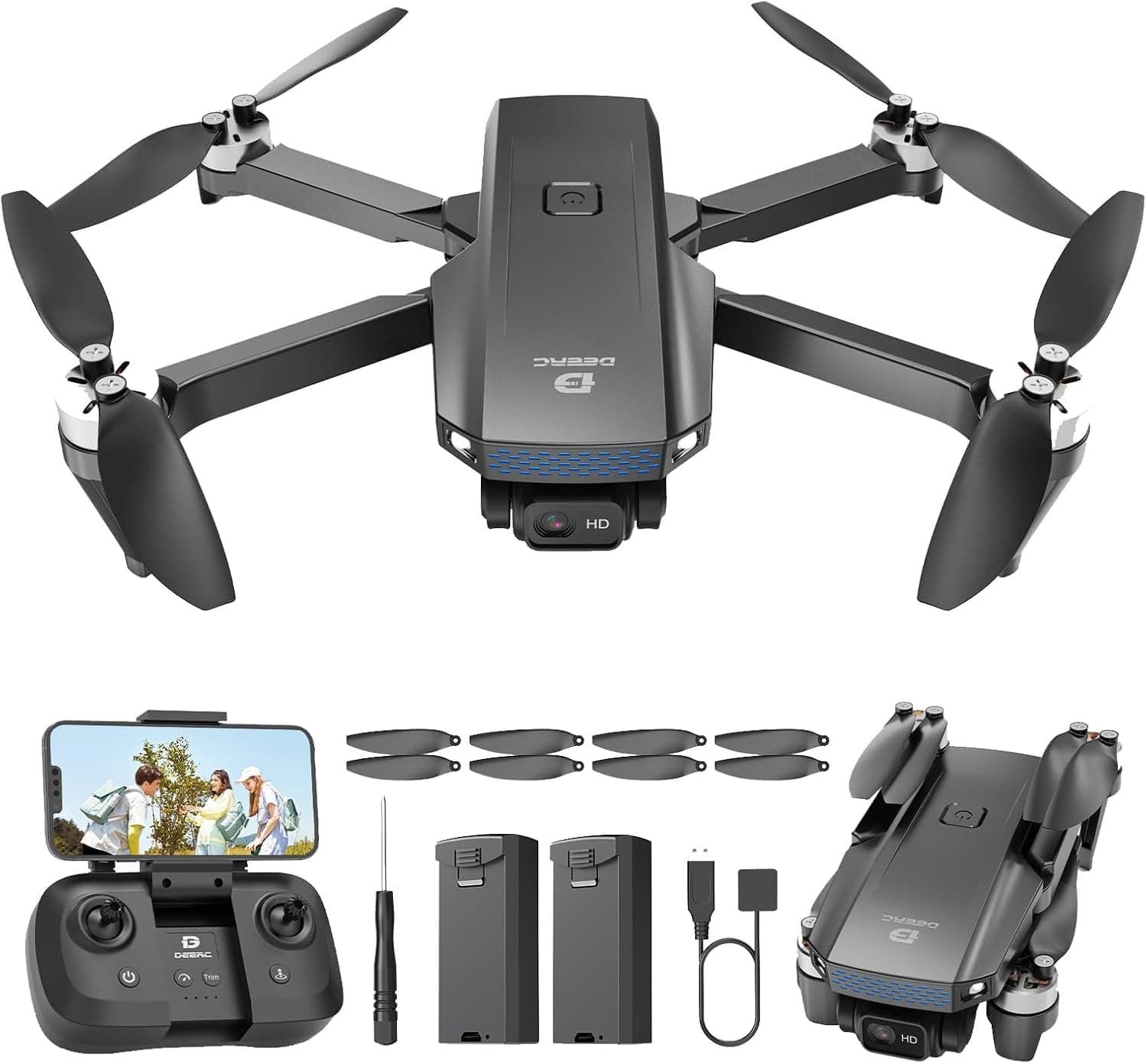
+ Brushless motor lasts longer and runs more efficiently than brushed beginner motors
From our guide: Best Beginner Drones for First-Time Pilots (2026)
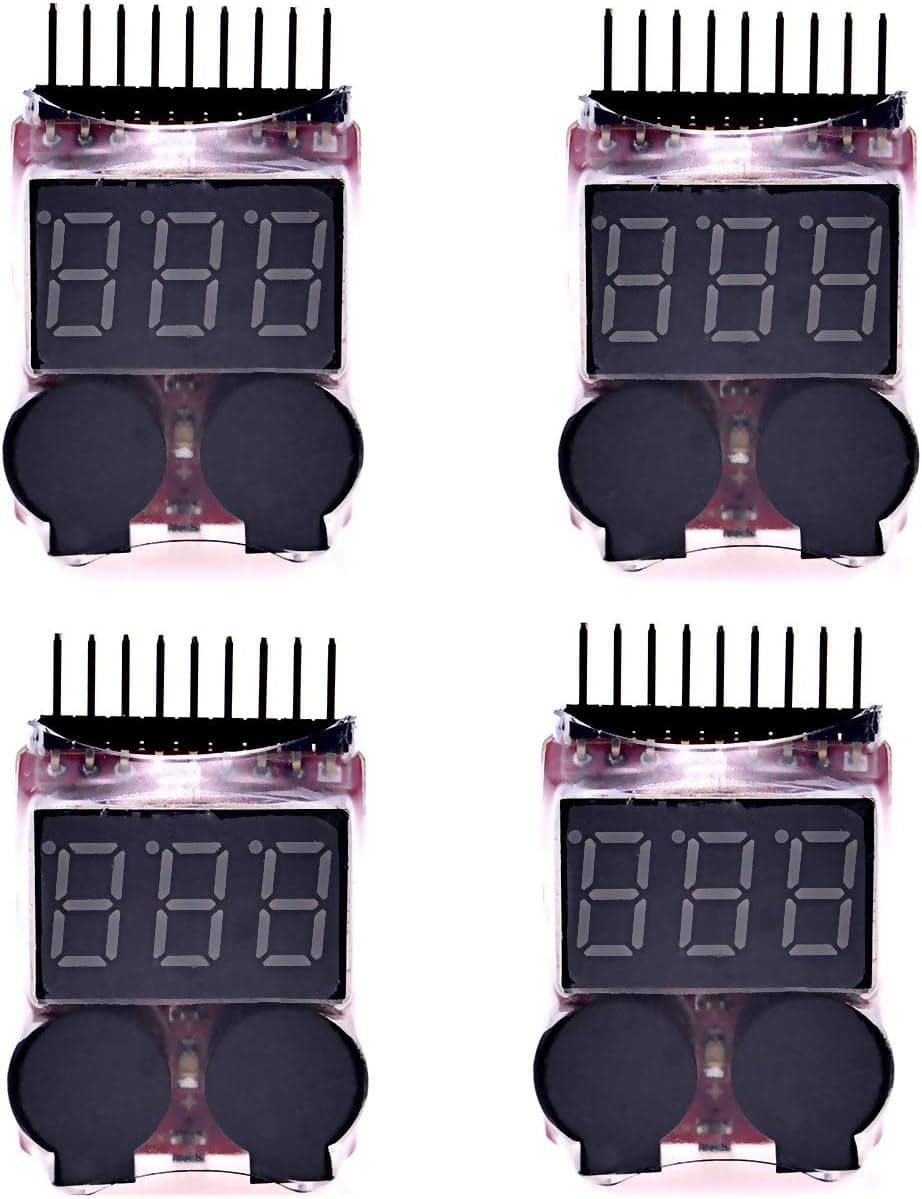
+ 4PCS set lets you keep a checker on several batteries at once
From our guide: Best LiPo Battery Checkers for Safe Voltage (2026)
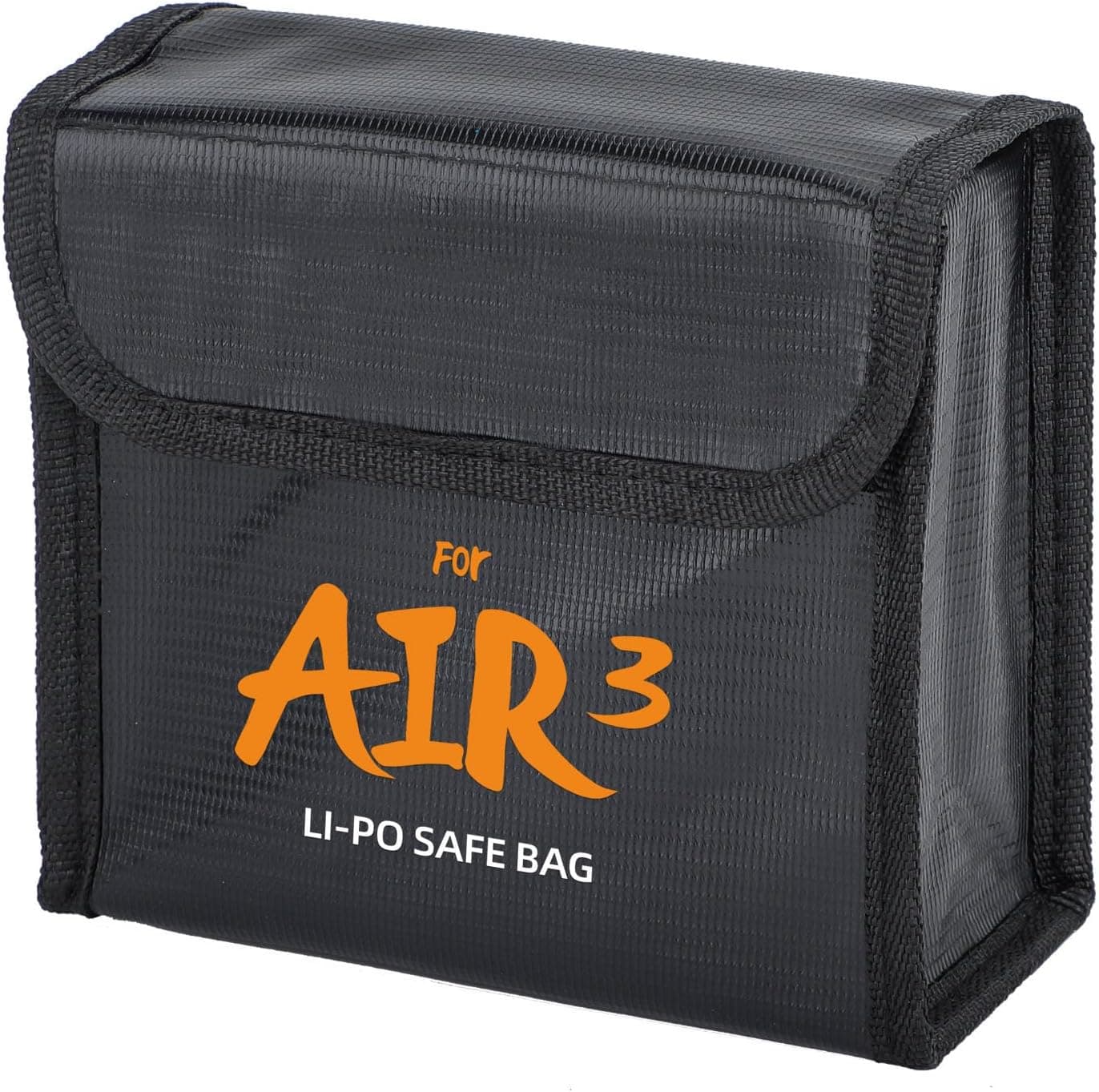
+ Sized for DJI Air 3 batteries, so packs sit snugly without extra space
From our guide: Best LiPo Safe Bags for Fireproof Storage (2026)

Storage voltage is the foundation of LiPo health. Leaving a pack fully charged or fully drained for long periods stresses the cells and shortens their life. Most pilots store LiPos at a middle charge level, often called storage charge, which keeps the chemistry stable during downtime. Many modern chargers include a storage mode that automatically brings a pack to this safe resting level, so use it whenever you will not fly for a few days.
Physical protection matters as much as voltage. Store and charge LiPos in a fireproof container or bag, away from flammable materials, and never leave them charging unattended. A dedicated metal box, a fire-resistant pouch, or a ceramic container gives you a critical margin of safety if something goes wrong. Keep packs away from extreme heat and direct sunlight, since high temperatures accelerate degradation and raise the risk of failure.
Inspection is your early warning system. Before and after flights, check each pack for swelling, punctures, or damaged wires. A puffy battery is telling you it is nearing the end of its safe life and should be retired. If a pack is physically damaged in a crash, handle it carefully, isolate it, and monitor it, because internal damage can lead to failure minutes or even hours later.
When a LiPo reaches the end of its life, dispose of it properly rather than tossing it in the trash. Many communities offer battery recycling drop-off points designed for lithium cells. Discharging a dead pack safely before recycling is a common recommended step, and local guidelines will tell you how to do it correctly. Responsible disposal protects both the environment and the people who handle waste after you.
Popular right now
- ESC explainedGlossary
- Drone Flight Modes ExplainedArticle
- Understanding Drone Motors and KV RatingsArticle
- Best FPV Antennas for Stronger Range (2026)Buying guide
- Best ESCs for FPV Drones (2026)Buying guide
- Best FPV Frames for Freestyle and Racing (2026)Buying guide
Based on the last 28 days of search and visitor data.