ESC and Flight Controller Basics for FPV Drones
Published How we research
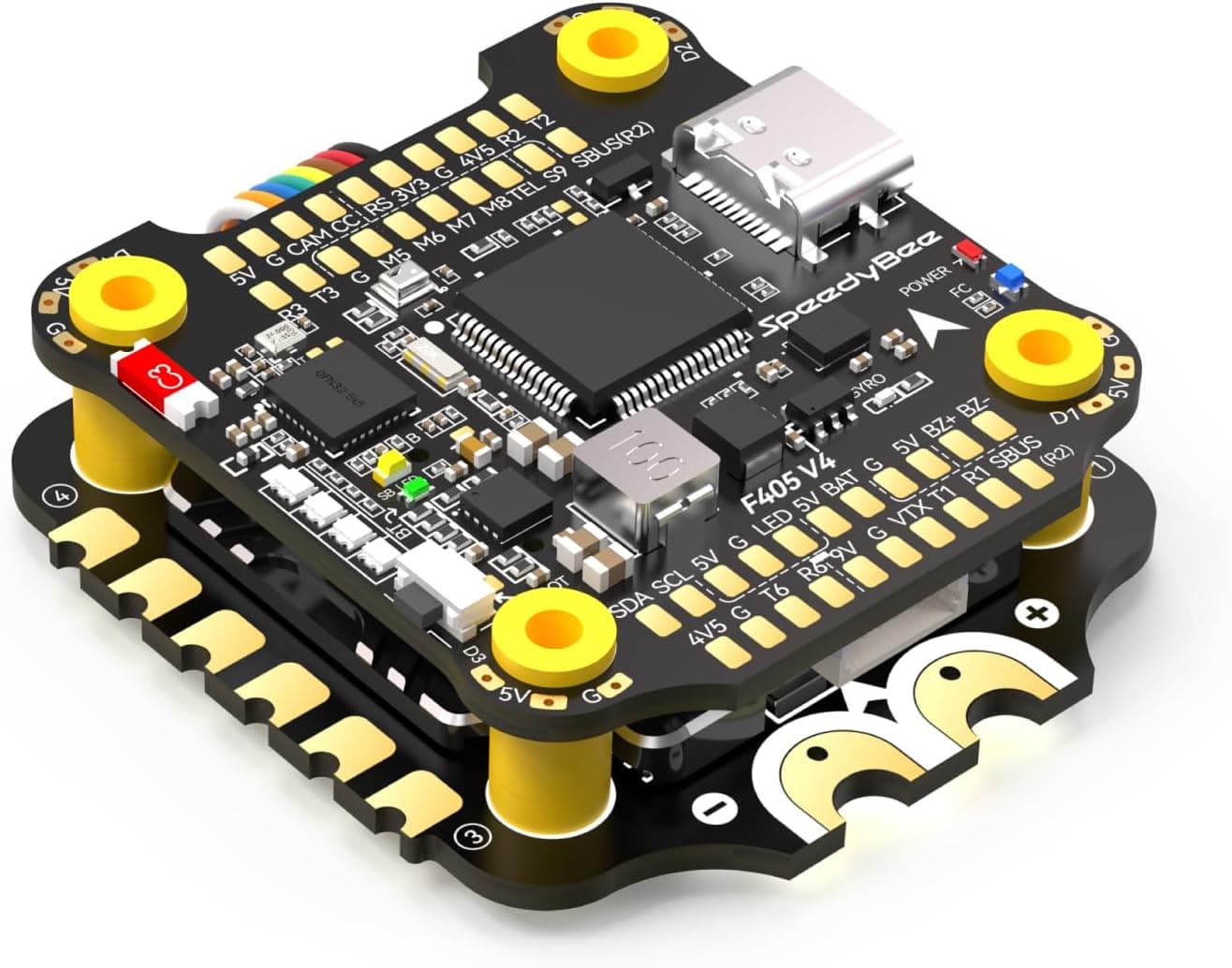
The flight controller is the brain of a multirotor: it houses orientation sensors, runs the flight software, and calculates how fast each motor should spin many times per second. The ESCs (electronic speed controllers) are the messengers that deliver precise power to each motor to make it happen. They work as a tightly coupled team over a shared protocol, so choose a flight controller and ESCs known to be compatible and keep their firmware and configuration in sync. Two components sit at the electronic heart of every multirotor: the flight controller and the electronic speed controllers, or ESCs. Together they translate your intentions into precise motor movements many times per second. While they often go unnoticed compared with flashy cameras and motors, they are what make stable, controllable flight possible. Understanding their roles will help you build, configure, and troubleshoot your drone with much more confidence.
Products from this article
The highest-scoring picks from the buying guides this article links to. Scores are our editorial assessment, not customer ratings.
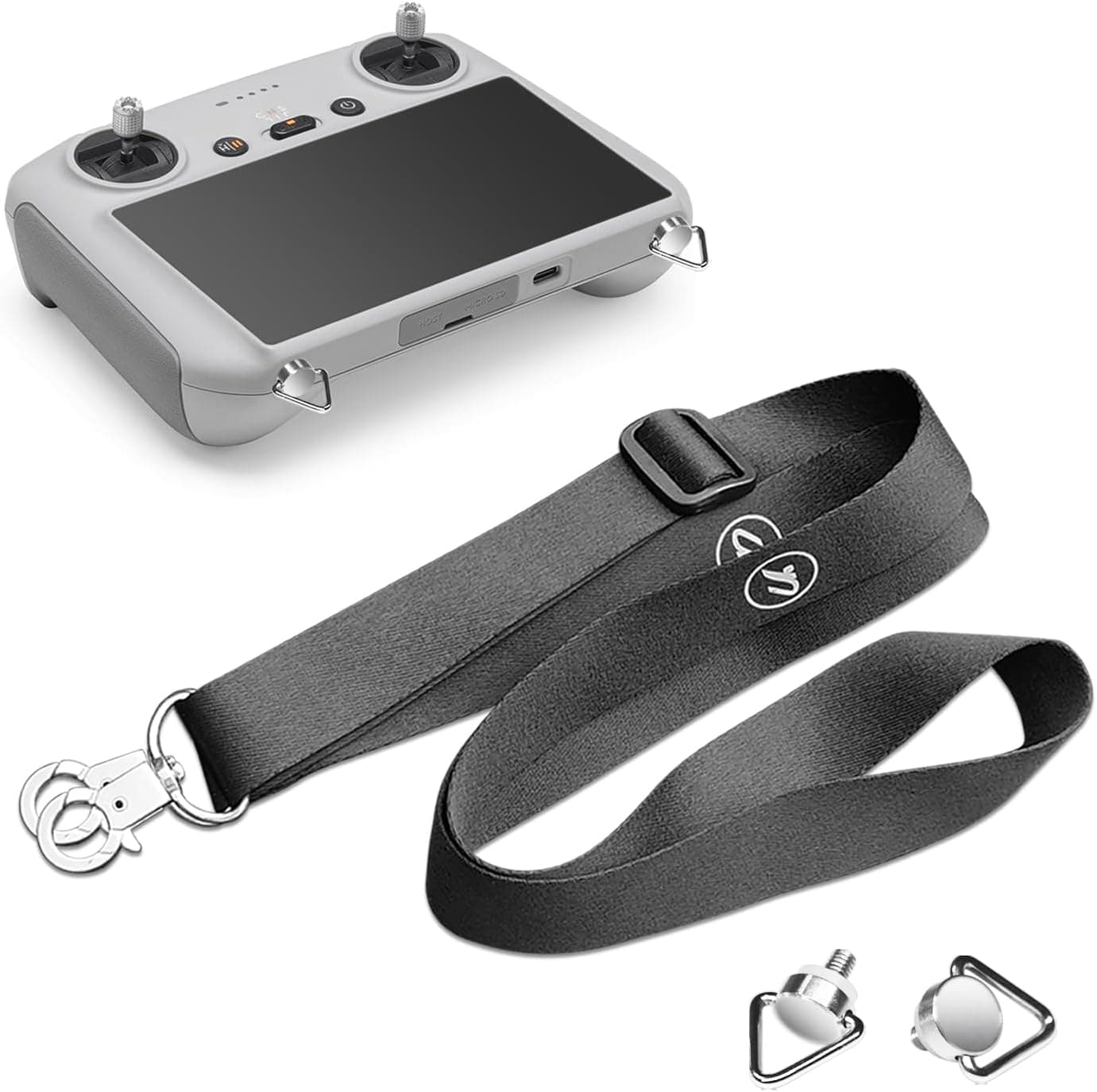
+ Fits DJI screen controllers like RC 2 and RC Pro that lack strap loops
From our guide: Best Drone Controller Lanyards
+ Bluetooth lets you tune from a phone app at the field
From our guide: Best Flight Controllers for FPV Drones (2026)
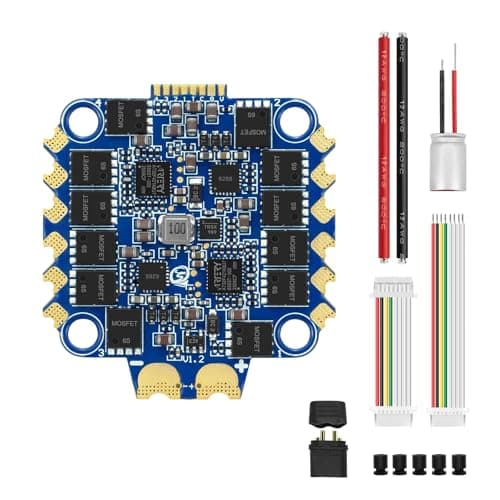
+ Rated for 65A continuous and up to 120A peak per the listing, with headroom above the 45A boards common in this guide.
From our guide: Best ESCs for FPV Drones (2026)
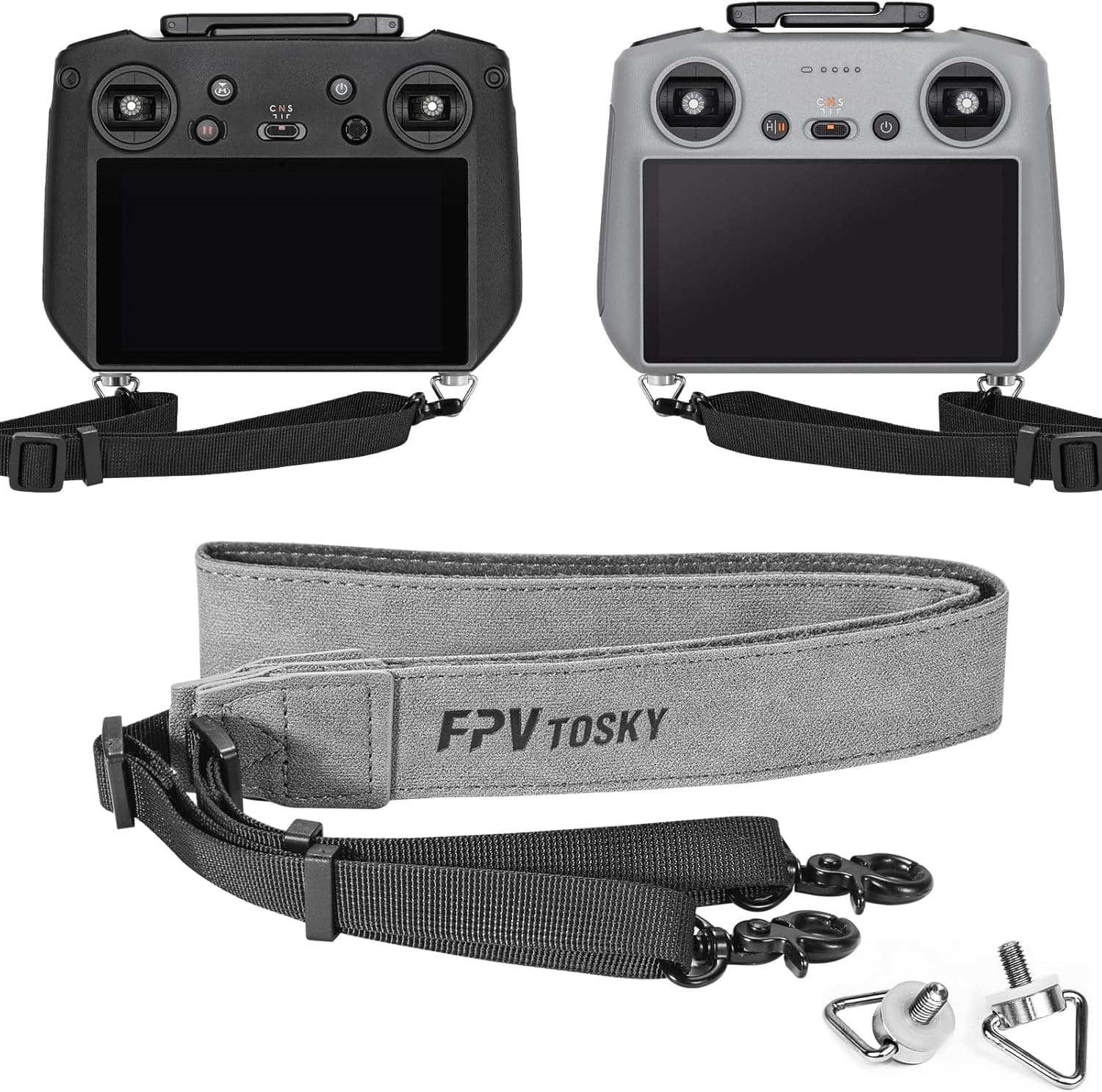
+ Soft leather strap is more comfortable than nylon on bare skin
From our guide: Best Drone Controller Lanyards
The flight controller is the brain
The flight controller is the brain of the aircraft. It houses sensors that measure orientation and motion, and it runs the flight software that decides how the motors should respond. When you move the sticks, the flight controller interprets your commands, blends them with sensor data, and calculates exactly how fast each motor should spin. This constant, rapid calculation is what keeps the drone stable and responsive in the air.
ESCs carry the decisions to the motors
ESCs are the messengers that carry the flight controller's decisions to the motors. Each ESC regulates the power delivered to a motor, adjusting its speed precisely and instantly. Because the flight controller updates its commands extremely rapidly, the ESCs must respond just as quickly and smoothly. Modern ESCs are remarkably capable, handling high currents and fine control while packed into a compact form.
They work as a tightly coupled team
The two work as a tightly coupled team. The flight controller says how fast each motor should turn, and the ESCs make it happen with precise power delivery. Communication between them uses specific protocols, and matching a compatible protocol is part of setting up a build. In many modern quads, the four ESCs are combined onto a single board to save space and simplify wiring, though separate ESCs are also common.
Practical takeaways for beginners
For beginners, the practical takeaways are simple. Choose a flight controller and ESCs that are known to be compatible, keep their firmware and configuration in sync, and treat them as a matched pair when planning a build. If your drone behaves strangely, these components and their settings are often worth checking early. Once you understand that the flight controller thinks and the ESCs act, the electronics of your drone become far less mysterious.
Frequently asked questions
What does the flight controller do on a drone? It measures orientation and motion with onboard sensors, runs the flight software, and calculates exactly how fast each motor should spin to keep the drone stable and responsive.
What is an ESC on an FPV drone? An electronic speed controller regulates the power delivered to one motor, adjusting its speed precisely and instantly in response to the flight controller's rapid commands.
Do the flight controller and ESCs need to be compatible? Yes. They communicate over a specific protocol, so match a compatible protocol and treat them as a matched pair when planning a build, keeping firmware and configuration in sync.
Are the four ESCs usually separate? In many modern quads the four ESCs are combined onto a single board to save space and simplify wiring, though separate ESCs are also common.
Popular right now
- ESC explainedGlossary
- Drone Flight Modes ExplainedArticle
- Understanding Drone Motors and KV RatingsArticle
- Best FPV Antennas for Stronger Range (2026)Buying guide
- Best ESCs for FPV Drones (2026)Buying guide
- Best FPV Frames for Freestyle and Racing (2026)Buying guide
Based on the last 28 days of search and visitor data.