DJI Mini 3, 3-Axis Gimbal Mini Camera Drone, 4K HDR Video Review (2026)
Updated September 14, 2026 · Research-based review
Our verdict
The DJI Mini 3 is a well rounded sub-249g travel drone with a true 3-axis gimbal and 4K HDR video, striking a strong balance between image quality and portability for beginners and travel photographers. It lacks obstacle sensing, so flying near trees and buildings still needs a careful hand.
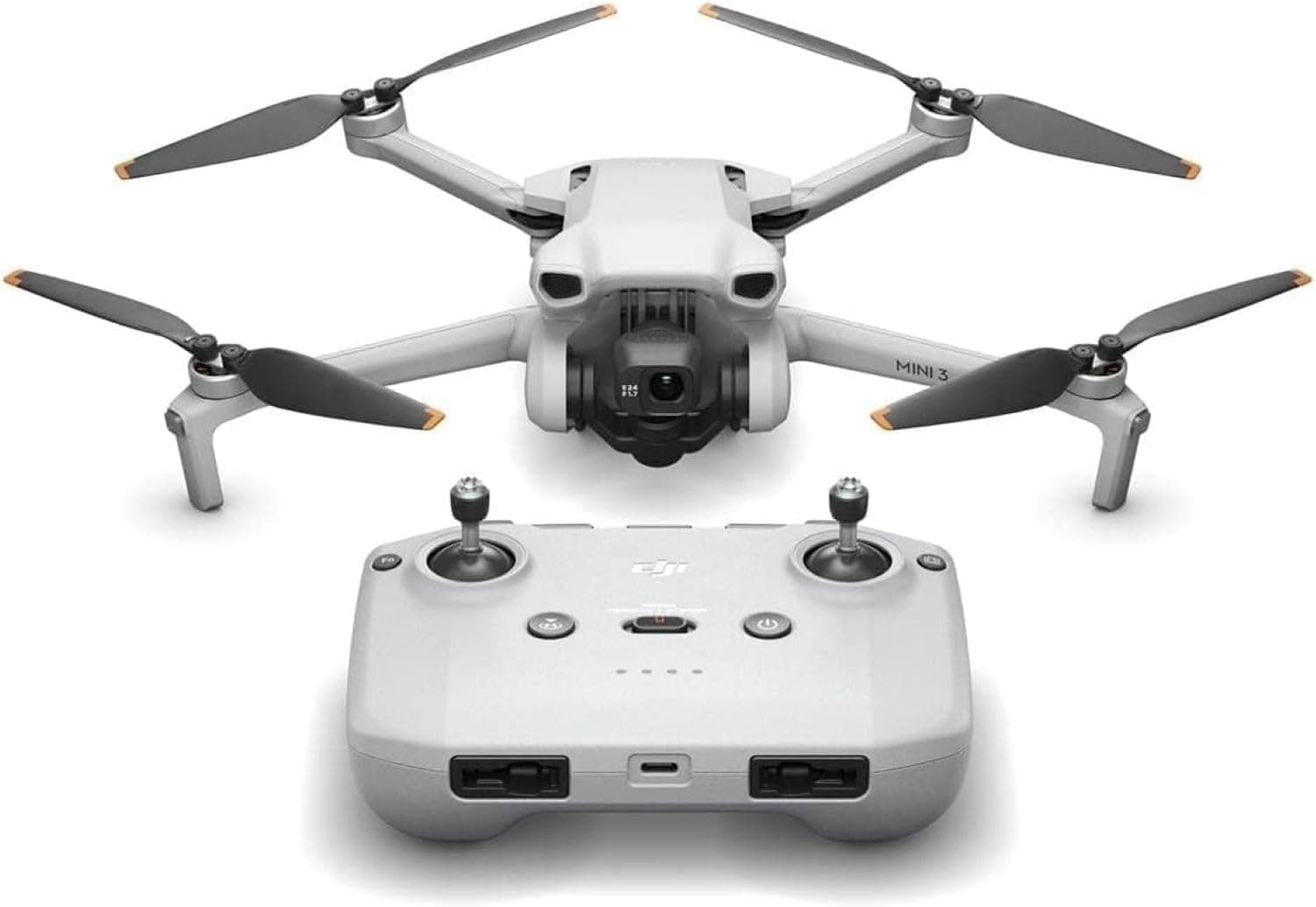
DJI Mini 3 is a mini camera drone with a 3-Axis gimbal and 4K HDR video, a strong choice for travel photographers.
Price range: See on Amazon
What we liked
- + 4K HDR video handles bright skies and shadows better than standard 4K cameras
- + 3-Axis gimbal can rotate for vertical shots, which suits social media clips
- + DJI build quality and app give a reliable, easy flying experience
Trade-offs
- - Check which controller variant is included in this specific listing
- - Lacks obstacle avoidance, so it needs careful flying near trees and buildings
Who the Mini 3 is built for
The Mini 3 is aimed squarely at travelers and beginner-to-intermediate photographers who want DJI's camera quality and flying reliability without the bulk or weight of a full Mavic series drone. Folding down to a compact size and weighing under 249g means it avoids the stricter registration tier that applies to heavier drones in many regions, a real practical advantage for someone packing it alongside regular travel gear. It suits a photographer who wants strong image quality for social content, landscapes, or vacation footage without learning a professional workflow, since the DJI Fly app and overall flying experience are built to be approachable. Vertical shooting support, where the gimbal physically rotates for a portrait orientation shot, makes it a particularly good fit for anyone filming primarily for social platforms that favor vertical video over widescreen. Anyone who needs obstacle avoidance for flying in tight or cluttered spaces should look elsewhere in DJI's lineup instead.
Camera, gimbal and flight specs explained
The Mini 3 uses a 1/1.3-inch sensor with an f/1.7 aperture and 2.4 micrometer 4-in-1 large pixels, paired with chip-level HDR processing that allows it to record 4K HDR video, handling bright skies and shadow detail noticeably better than a standard non-HDR 4K camera. A true 3-axis mechanical gimbal keeps footage smooth in flight and is rated to hold steady in up to Level 5 wind, roughly 10.7 meters per second, which covers most everyday flying conditions. DJI rates the standard Intelligent Flight Battery for up to 38 minutes of flight time, extendable to around 51 minutes with an optional larger battery. DJI's O2 video transmission system carries the live feed up to 10km under ideal conditions, far beyond what most pilots will ever need but useful for keeping a strong, stable connection at more typical flying distances.
Setting it up and flying it regularly
Setup follows DJI's standard process through the DJI Fly app, pairing the controller, letting GPS lock before takeoff, and updating firmware before a first flight since DJI periodically refines flight behavior and camera performance through updates. The vertical shooting mode is a genuine convenience for content creators, since it avoids the cropped, lower resolution result of just rotating a horizontal clip after the fact. Because the Mini 3 has no obstacle sensors, flying near trees, buildings, or power lines requires the same manual caution as older DJI Mini models, so beginners should practice in open areas before attempting tighter shots. Routine care matches any DJI drone: inspect the gimbal cover and propellers before each flight, store batteries at a safe partial charge between uses rather than fully charged, and keep the app and firmware updated for the best flight performance.
How it compares with sub-250g rivals
Against the newer DJI Mini 4K, the Mini 3 offers the notable advantage of true HDR video and generally sharper low light performance, while the Mini 4K is the cheaper, more basic option without HDR support. Compared with the Ruko U11MINI, which also offers a 3-axis brushless gimbal and 4K camera at a lower price, DJI's advantage is transmission range, app polish, and a much larger track record for reliability and firmware support. Against the Potensic Dreamer Pro, which adds GPS and a 3-axis gimbal at a mid-range price, the Mini 3 still leads on image quality and flight stability, reflecting the premium DJI commands across this entire weight class. None of these rivals fully match the Mini 3's combination of HDR video and DJI's mature flight software, though several come closer on price.
Verdict and who might want something else
Our score of 8.8 out of 10 reflects a genuinely strong all-rounder that balances portability, image quality, and ease of use better than most drones in its weight class. It is worth buying for travelers, beginners stepping up from a toy drone, and social content creators who want vertical shooting and reliable 4K HDR footage. Anyone who regularly flies in tight spaces near obstacles should consider a DJI model with obstacle sensing instead, and buyers on a tighter budget who can accept giving up HDR might find the cheaper DJI Mini 4K delivers most of what they need for less money.
Frequently asked questions
Does the DJI Mini 3 have obstacle avoidance sensors?
No, the Mini 3 does not include obstacle sensing, so flying near trees, buildings, or power lines requires careful manual control rather than relying on automatic collision avoidance.
What controller does the DJI Mini 3 use?
The Mini 3 is sold in different bundles with either the standard DJI RC-N1 remote that uses a phone for the screen, or the DJI RC with a built in display, so check which controller a specific listing includes.
How long can the DJI Mini 3 fly on one battery?
DJI rates the standard Intelligent Flight Battery for up to 38 minutes, extendable to roughly 51 minutes with an optional larger battery.
Does the Mini 3 stay under the 249g weight limit?
Yes, DJI markets it as a sub-249g drone, which typically avoids the stricter registration tier used in many regions, though rules vary by country and should be confirmed with your local aviation authority.
Prices change often, so check the current price and availability on Amazon.
Check price on AmazonDrone FPV Lab may earn a commission from the link above.