Potensic ATOM SE GPS Drone with 4K EIS Camera, 62 Mins, Under 249g Review (2026)
Updated September 14, 2026 · Research-based review
Our verdict
The Potensic ATOM SE is an under 249g GPS drone with a 4K EIS camera and up to 62 minutes of combined flight time across two batteries, from a known mid-range brand. EIS smooths footage well for the price but trails a true mechanical gimbal in wind, and the light frame needs calm conditions for its best shots.
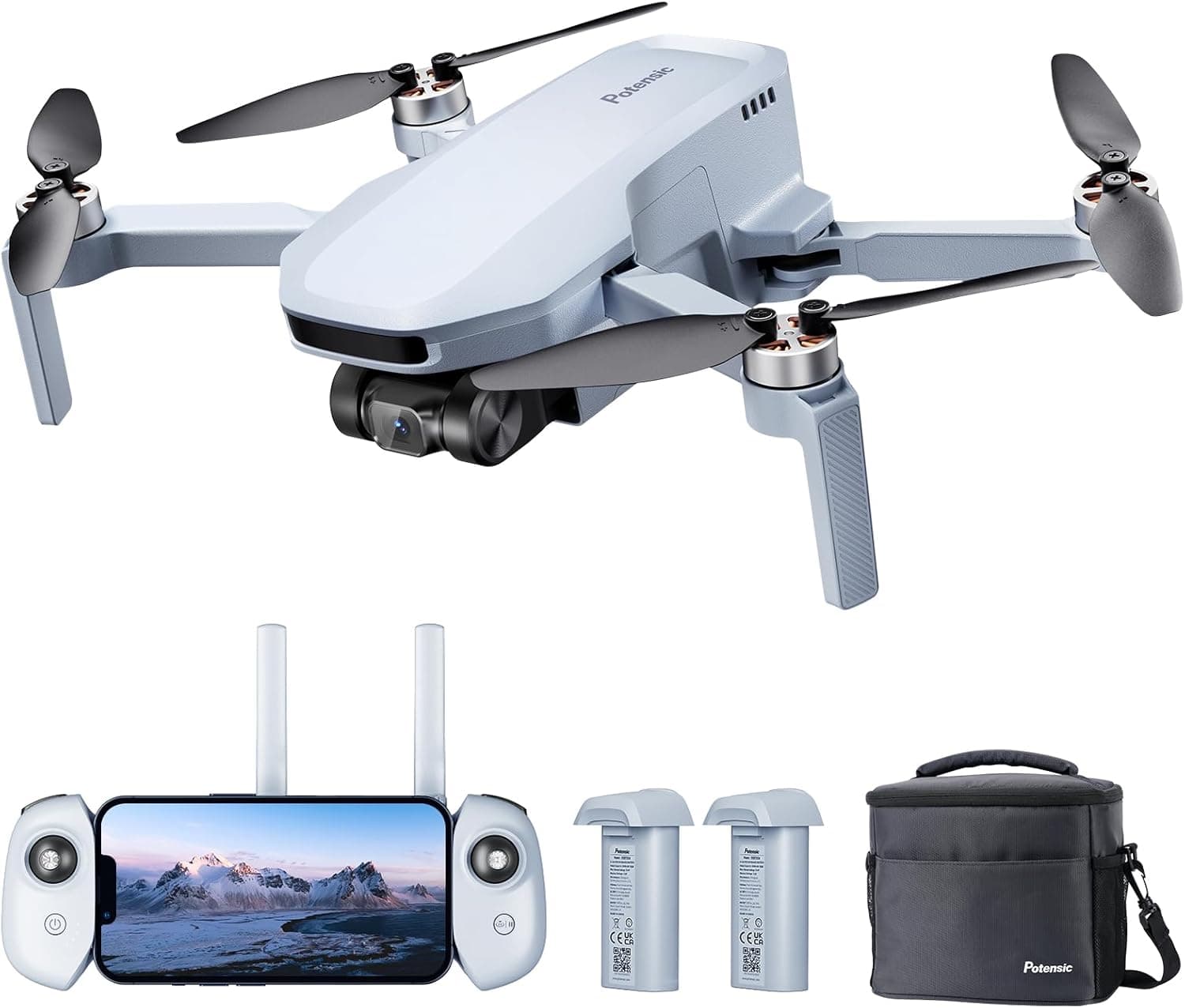
Potensic ATOM SE is an under 249g GPS drone with a 4K EIS camera and 62 Mins of listed flight time for light travel.
Price range: $ (Budget)
What we liked
- + Potensic is a known mid-range brand, so app support and spare batteries are easier to find
- + 62 Mins listed flight time is generous for an ultralight drone, spread over the included packs
- + EIS stabilization smooths video while keeping the drone lighter than a gimbal model
Trade-offs
- - EIS crops and softens footage compared with a true mechanical gimbal
- - Light airframe needs calm conditions for clean footage at higher altitudes
Who the ATOM SE Is Built For
The ATOM SE suits buyers who want a lightweight travel drone from a brand with real support history rather than an anonymous listing, making it a sensible step up for anyone who has outgrown a toy drone but is not ready to spend DJI money. Its under 249g weight keeps it in the lighter registration class in many regions, and the two included batteries give a combined 62 minutes of potential flying across a session, enough for several locations on a single outing. The Sony 12MP sensor and 4K video give solid daylight image quality for social clips and casual aerial photography. It is a weaker choice for pilots chasing cinematic smoothness, since electronic stabilization cannot fully replace a mechanical gimbal when footage gets pushed to its limits in wind or fast maneuvers.
Camera, Stabilization, and Range Explained
Potensic's ShakeVanish electronic image stabilization digitally corrects for small vibrations and shake, which works well in calm air but, like all EIS systems, can crop the frame slightly and soften detail compared with a mechanical 3-axis gimbal. The Sony 12MP CMOS sensor captures 12MP stills in JPG and RAW formats plus 4K video at up to 30fps, giving flexible options for editing later. Potensic's Pixsync 2.0 transmission system rates control range at up to 4 kilometers, roughly 13,000 feet, well beyond what most casual flyers will use but useful headroom for open areas. Three flight modes, Video, Normal, and Sport, adjust top speed up to 16 meters per second in Sport mode for pilots who want more dynamic movement.
Flying and Caring for a Light Travel Drone
Setup is straightforward: charge both included batteries, pair the Potensic app, wait for GPS lock, and choose Video mode for the smoothest handling on early flights before trying Sport mode. Because the airframe is intentionally light to stay under 249 grams, it folds down small for travel but is more sensitive to wind gusts than heavier brushless drones, so calm mornings tend to produce the cleanest EIS-stabilized footage. Owners should rotate between the two included batteries to reach the combined 62 minute figure rather than expecting that runtime from a single charge, and should store spare batteries at a partial charge between trips to preserve their lifespan, a standard practice across lithium drone batteries.
How It Compares in the Sub-250g Class
Against the DJI Mini 4K and DJI Mini 3 Pro, both ranked ahead of it in this sub-250g comparison, the ATOM SE trades some camera sophistication and obstacle sensing for a notably longer combined flight time and a lower price of entry, which matters to buyers who fly often and do not want to budget for premium DJI accessories or replacement parts. Against the CHGLT and generic GPS foldables ranked below it here, Potensic's established brand and app support give it an edge in long-term reliability and parts availability, which matters more once a drone has flown dozens of sessions rather than just a handful, since worn props and cracked arms eventually need replacing on any foldable drone.
Verdict and Who Should Look at DJI Instead
For buyers who want a light, capable travel drone with genuine brand support and strong combined flight time, the ATOM SE is a well rounded pick in this sub-250g guide, earning our score of 8.2 out of 10. Pilots who prioritize the smoothest possible footage or want DJI's stronger obstacle sensing and larger camera sensor should budget up for the DJI Mini 4K or Mini 3 Pro instead, accepting a higher price in exchange for a true mechanical gimbal and more mature obstacle avoidance. Anyone shopping mainly on flight time per dollar, rather than outright image quality, will likely find the ATOM SE the more practical everyday choice of the two.
Frequently asked questions
Is the 62 minute flight time from one battery?
No, it is the combined total across the two included batteries, so a single flight will last roughly half that figure before a battery swap is needed.
Does the ATOM SE use a mechanical gimbal?
No, it uses ShakeVanish electronic image stabilization rather than a mechanical gimbal, which works well in calm air but can soften footage in wind.
How far can the ATOM SE fly from the controller?
Potensic rates the Pixsync 2.0 transmission system at up to about 4 kilometers, though real range depends heavily on local interference and obstacles.
Does the ATOM SE need drone registration?
It weighs under 249 grams, which qualifies for lighter registration rules in many countries, but always confirm current requirements with your local aviation authority.
Prices change often, so check the current price and availability on Amazon.
Check price on AmazonDrone FPV Lab may earn a commission from the link above.