SpeedyFPV ZMR250 Racing Drone Kit F411 FC / 2204 Motors / 30A ESCs Review (2026)
Updated September 14, 2026 · Research-based review
Our verdict
SpeedyFPV's ZMR250 is a build-it-yourself racing kit with an F411 flight controller, 2204 motors, and 30A ESCs on a classic 250mm frame. It is an educational way into FPV racing that teaches wiring and repair skills, but it ships without a battery, radio, receiver, or goggles, so the real cost to fly is higher than the kit price.
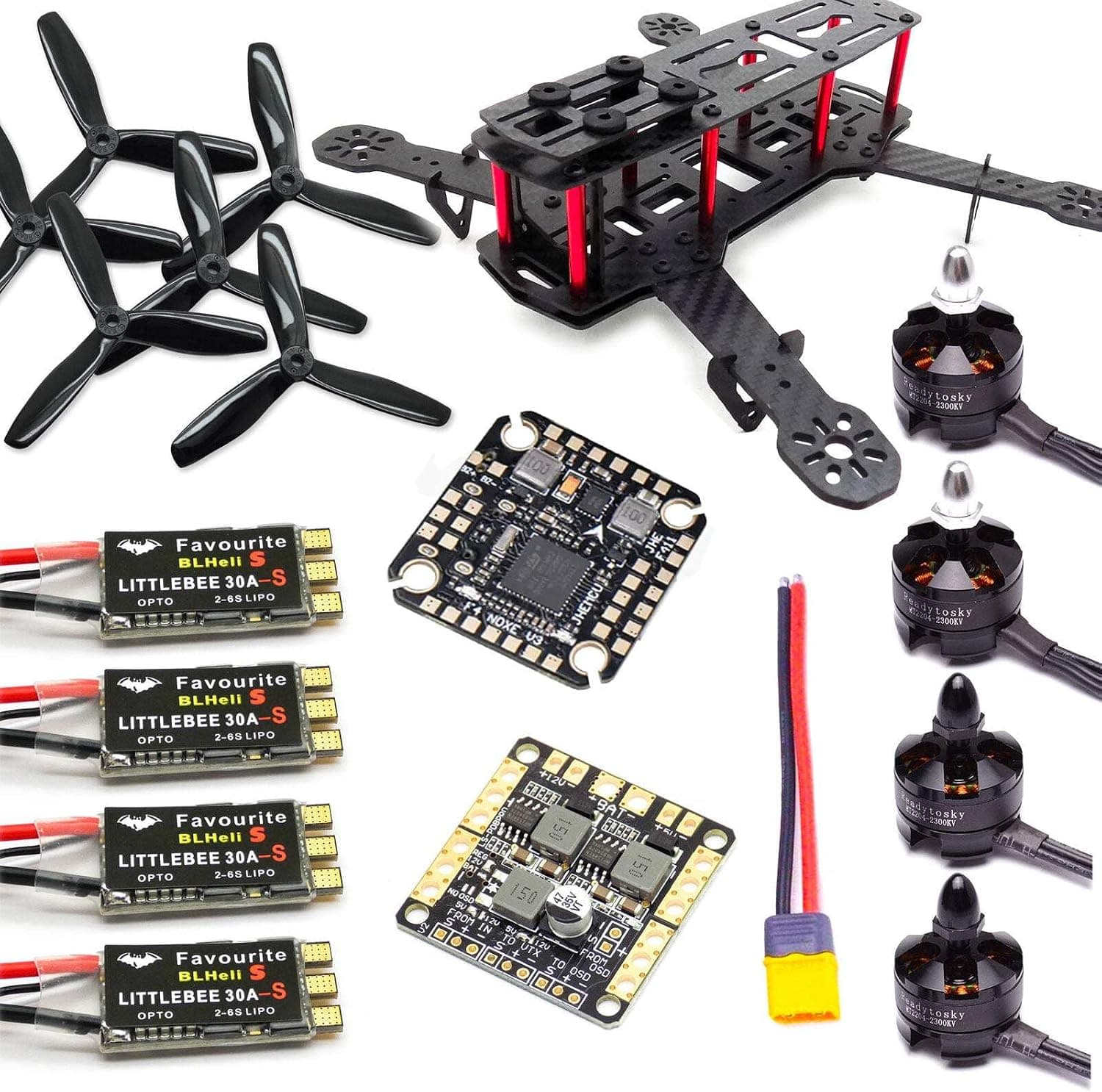
SpeedyFPV's ZMR250 is a build-it-yourself racing drone kit with an F411 flight controller, 2204 motors and 30A ESCs.
Price range: $ (Budget)
What we liked
- + Building the ZMR250 frame yourself teaches soldering and repair skills every racer eventually needs
- + F411 flight controller runs Betaflight, so tuning and firmware support are widely documented
- + 2204 motors on a classic 250 frame give a lively, affordable racing platform
Trade-offs
- - No goggles, radio or battery are listed, so the true cost to fly is higher than the kit
- - 2204 motors and 30A ESCs are older specs compared with current freestyle builds
Who Should Build This Kit
This kit is aimed at pilots who want to learn how an FPV racing quad actually goes together, from wiring the flight controller to connecting motors and ESCs, rather than unboxing something already assembled. The ZMR250 frame is a long-running, well documented design in the racing community, so replacement arms and mounting patterns are easy to source even years after purchase, which matters when racing quads inevitably crash. It suits pilots who already own or plan to buy a radio transmitter, receiver, FPV goggles, and LiPo batteries separately, since none of those essentials ship in the box. It is not a good fit for someone who wants to fly the same day the package arrives, since assembly, soldering, and Betaflight setup all happen before a first flight.
Flight Controller, Motors, and ESCs Explained
The F411 flight controller runs Betaflight, the open-source firmware used across most hobby FPV builds, giving access to a large community of tuning guides and troubleshooting threads for this exact chip family. The 2204 motors are a classic size for a 250mm racing frame, striking a balance between punch and efficiency that suits both learning pilots and more experienced racers who want a nimble, responsive quad. The 30A ESCs provide adequate current headroom for 2204 motors under normal racing use, though pilots pushing aggressive builds with larger propellers may eventually want to upgrade to a higher current rating. Together these three components form a proven, widely used racing combination rather than an unusual or hard-to-support setup.
Assembling and Flying the ZMR250
Building the kit involves soldering motor leads to the ESCs, wiring the ESCs to the flight controller, mounting a receiver, and flashing or configuring Betaflight before the first test flight, a meaningful project for anyone new to FPV assembly. Because the completed quad is genuinely fast and responsive once built, new pilots should spend real time in a flight simulator practicing acro control before attempting outdoor flights, since a 250mm racing frame does not forgive clumsy inputs the way a beginner-friendly toy drone does. After the build, ongoing care mirrors any racing quad: check motor screws and frame arms for cracks after hard crashes, and keep spare propellers on hand since they are the most frequently damaged part.
How It Stacks Up Against Other Racing Options
Against ready-to-fly kits like the EMAX Tinyhawk and BETAFPV Cetus, both ranked well ahead of it in this racing comparison, the ZMR250 demands far more setup work but delivers a larger, more powerful 250mm racing frame rather than a beginner-friendly indoor micro quad, which appeals more to pilots who intend to fly outdoors at speed. Against the UR26 5 inch kit ranked above it in the same guide, the ZMR250 uses an older F411 controller and lighter 30A ESCs compared with the UR26's F405 controller and 60A ESCs, giving the UR26 more headroom for aggressive freestyle flying on larger propellers and harder throttle punches.
Verdict and Better Options for Beginners
Pilots who want a genuine, educational build project on a proven 250mm racing frame, and who already own or plan to buy the surrounding gear, will get real value from this kit, reflected in our score of 7.0 out of 10 in this guide. Anyone who wants to fly on day one without soldering or Betaflight setup should instead choose a complete ready-to-fly package like the EMAX Tinyhawk or BETAFPV Cetus, both of which include a controller and goggles so nothing extra needs to be sourced before that first flight.
Frequently asked questions
Does this kit include a battery or radio?
No, the kit covers the frame, flight controller, motors, and ESCs; a battery, radio transmitter, receiver, and FPV goggles are all separate purchases.
Is soldering required to build the ZMR250?
Yes, connecting the motors to the ESCs and wiring the flight controller typically requires basic soldering skills common to FPV kit assembly.
What firmware does the F411 flight controller run?
It runs Betaflight, the widely used open-source firmware standard for hobby-grade FPV flight controllers, with extensive community documentation.
Is this a good first FPV build for a total beginner?
It works best for beginners willing to learn soldering and basic firmware setup; those wanting to fly immediately should choose a ready-to-fly kit instead.
Prices change often, so check the current price and availability on Amazon.
Check price on AmazonDrone FPV Lab may earn a commission from the link above.