FOXEER Falkor FPV Camera 1200TVL 1.8mm 4:3/16:9 PAL/NTSC G-WDR OSD Review (2026)
Updated September 20, 2026 · Research-based review
Our verdict
The Foxeer Falkor delivers a very wide 1.8mm view with strong wide dynamic range processing, which suits racers who want to see gates and obstacles early. The tradeoff is noticeable fisheye distortion at the edges of frame, and Foxeer has since released newer Falkor cameras that pilots should compare against this older model.
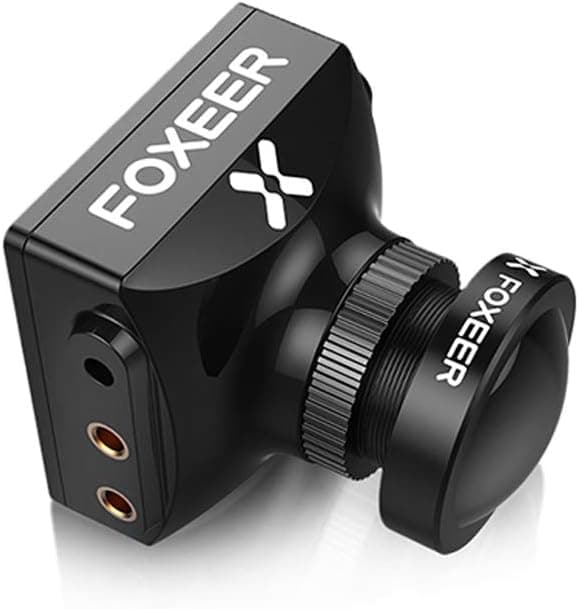
FOXEER Falkor FPV camera with 1200TVL, a 1.8mm lens, 4:3/16:9 output, G-WDR and OSD for analog pilots.
Price range: See on Amazon
What we liked
- + 1.8mm lens gives a very wide view that helps spot obstacles while racing
- + G-WDR processing keeps images balanced between bright and shaded areas
- + Built-in OSD lets you adjust settings directly from your goggles
Trade-offs
- - Very wide 1.8mm lens adds fisheye distortion at the edges
- - Older Falkor model has been replaced by newer Foxeer cameras
Image sensor and resolution
The Falkor uses a 1/3 inch CMOS sensor and outputs 1200TVL of horizontal resolution, a step up from many entry-level 600 to 1000TVL analog cameras and enough detail to read small text on an OSD or spot distant gates clearly through analog FPV goggles. Video comes out over a standard CVBS composite connection, and the camera switches between 4:3 and 16:9 aspect ratios as well as PAL and NTSC video standards, so it can match whichever goggles or video transmitter a pilot is already running. Minimum illumination is rated at 0.01 lux, which is respectable for dim conditions like dusk flying or shaded indoor spaces.
Lens and field of view
This Falkor variant uses a fixed 1.8mm lens, one of the widest options Foxeer offers on this camera line, which translates to an extremely broad field of view that helps racing pilots spot gates, gaps, and obstacles well before they arrive at them. The downside of such a wide lens is pronounced fisheye distortion toward the edges of the frame, where straight lines like door frames or gate edges will visibly curve, which some pilots find disorienting until they get used to judging distance through it. Foxeer also sells this same Falkor body with narrower lens options for pilots who want less distortion at the cost of a tighter field of view.
WDR and OSD features
Foxeer built the Falkor with G-WDR, its wide dynamic range processing, which is rated at 100db and helps the camera hold detail in both bright sky and shaded terrain within the same shot rather than blowing out highlights or crushing shadows. An on-screen display lets pilots adjust camera settings like brightness, sharpness, and WDR strength directly through the goggles using the camera's control cable, without needing to unmount the camera to access physical buttons. Shutter speed is automatic, rated from roughly 1/25 to 1/10000 of a second on PAL or 1/30 to 1/10000 on NTSC, adjusting itself to lighting conditions in real time.
Size, weight and power
Foxeer lists the Falkor's dimensions at approximately 18.7 by 19mm without its mounting bracket, and weight at 5.5 grams, small and light enough to fit comfortably into most 3 inch through 5 inch freestyle and race frames without adding meaningful weight to the build. The camera accepts a wide 5 to 40 volt input range, so it can be powered directly from most flight controller video or main battery pads without a separate voltage regulator, simplifying the wiring in a typical build. That wide voltage tolerance also makes it compatible with a broad range of battery cell counts from 2S through 6S setups.
Who should buy this camera today
The Falkor remains a capable analog camera for racing and freestyle pilots who specifically want a very wide 1.8mm view and strong WDR performance at a moderate price point. Since this listing, Foxeer has released newer Falkor cameras with updated sensors and processing, so buyers should compare current pricing and specs against the newer models before committing to this older version, particularly if fisheye distortion at this wide a field of view is a concern. Pilots who prefer a more natural, less distorted image should look at a Falkor variant with a longer focal length lens instead of this 1.8mm option.
Frequently asked questions
What field of view does the 1.8mm Falkor lens give?
It is one of the widest lens options Foxeer offers on the Falkor line, giving a very broad view with noticeable fisheye distortion toward the frame edges.
Does the Falkor have an on-screen display?
Yes, it includes OSD control so brightness, sharpness, and WDR settings can be adjusted through the goggles via the camera's control cable.
What voltage does the Falkor need?
It accepts a wide 5 to 40 volt input, so it can run directly from most flight controller pads across 2S through 6S battery setups.
Is the Falkor still Foxeer's current camera?
No, Foxeer has released newer Falkor cameras since this model, so it is worth comparing current versions before buying this older one.
Prices change often, so check the current price and availability on Amazon.
Check price on AmazonDrone FPV Lab may earn a commission from the link above.