CT66 GPS Drone 4K EIS Long Range Transmission Fishing Drone 90 Mins Flight Review (2026)
Updated September 14, 2026 · Research-based review
Our verdict
The CT66 targets anglers with a 4K EIS camera, GPS hold, obstacle sensing and three batteries totaling 90 minutes of flight, built for scouting water from the air. Electronic stabilization softens footage against gimbal rivals, and no floats or water landing gear are included. Our score of 6.8 out of 10, sixth of seven long-range drones.
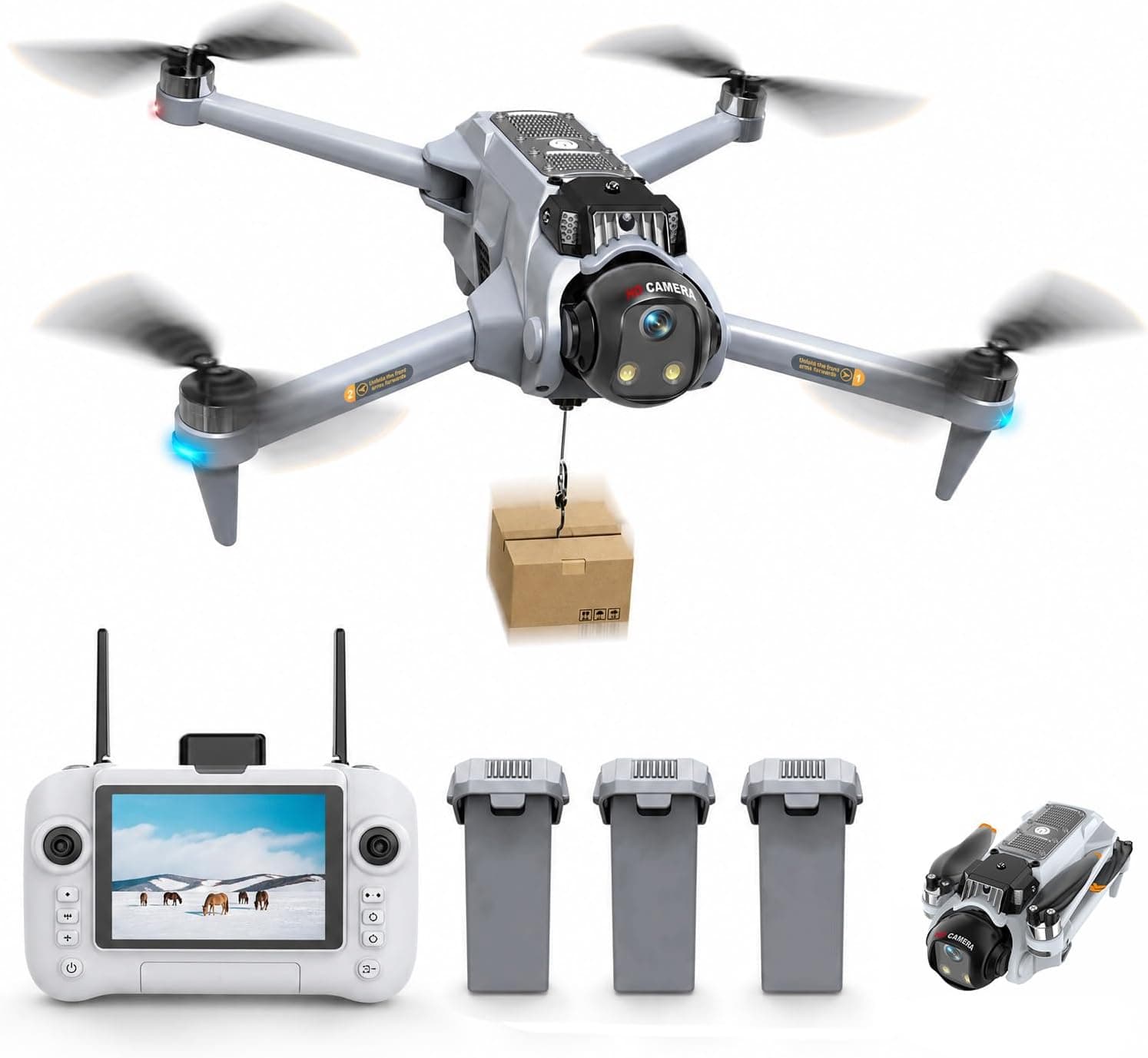
The CT66 is a GPS drone with a 4K EIS camera, long range transmission and 90 mins of flight, pitched at fishing use.
Price range: $ (Budget)
What we liked
- + 90 mins of flight time is extended enough to scout water and drop lines over several passes
- + EIS electronic stabilization smooths video without the fragility of a mechanical gimbal
- + GPS helps it hold position over open water where visual references are scarce
Trade-offs
- - Flying over water risks losing the drone entirely, and no float gear is mentioned
- - Electronic stabilization crops the image, so footage is softer than gimbal-stabilized video
Who the CT66 fits
The CT66 is built around a specific use case: anglers and boaters who want to scout water, spot fish activity, or drop bait from the air rather than pure aerial photography. Three included 1600mAh batteries add up to a rated 90 minutes of total flight time, a meaningful advantage over single-battery drones when you need to cover a lake in multiple passes or wait out a school of fish moving into range. GPS positioning helps the CT66 hold a steady spot over open water, where there are no trees or buildings to serve as visual reference points, reducing drift compared to a drone relying on optical flow alone. Buyers who mainly want cinematic aerial video, rather than a fishing scouting tool, are better served by a gimbal-equipped drone, and anyone flying primarily over water should also budget for a spare drone or insurance, since this listing does not mention any flotation gear.
Camera, range, and flight numbers
The CT66 shoots 4K video through a 120 degree wide-angle lens with a 90 degree adjustable pitch, letting you tilt the camera from level to straight down without repositioning the drone, and it uses electronic image stabilization, EIS, rather than a mechanical gimbal to smooth footage. EIS works by digitally cropping and correcting the frame in software, which avoids the moving parts and fragility of a gimbal but also softens fine detail and narrows the usable field of view compared to gimbal-stabilized video. A 5GHz transmission link is rated for up to roughly 6561 feet of range and feeds a 4.5 inch HD screen built into the remote, giving a real-time view without needing separate FPV goggles. Power comes from three 7.4V 1600mAh batteries charged over USB-C, combining for the rated 90 minute total flight time, and the brushless motors are built to hold stable flight in up to level 4 wind conditions according to the listing.
Flying it over water and keeping it running
Brushless motors and 4-way obstacle avoidance give the CT66 a bit more confidence flying near docks, boats, and shoreline obstacles than a bare brushed drone offers, though obstacle sensing is not a substitute for keeping a clear visual line of sight, especially over reflective water where sensors can behave unpredictably. Because no flotation or water landing accessory is mentioned for this drone, treat any flight over open water as a real risk of total loss if a battery fails, a gust pushes it off course, or GPS lock drops, and never fly further out than you are comfortable losing the drone entirely. Between sessions, the three swappable batteries mean charging is the main upkeep task, and USB-C charging keeps that simple, but rotate all three batteries evenly rather than always using the same one first, since letting packs sit unused for long stretches shortens their working life.
Where it lands against other long-range drones
The CT66 ranks sixth of seven in the site's long-range drones guide with a score of 6.8, behind both Contixo F36 variants at 7.6 and 7.3 and further behind the Ruko U11MINI at 8.4 and Ruko U11PRO at 7.8. The gap mostly comes down to stabilization and build score, since the F36's true 3-axis mechanical gimbal outperforms the CT66's EIS for video quality, and the Ruko models pull ahead on lighter builds and, in the U11PRO's case, FAA Remote ID compliance. Where the CT66 pulls its weight back is flight time, since 90 minutes across three batteries beats the shorter runtimes the higher-ranked rivals offer, and its fishing-specific framing, GPS hold over open water plus 4-way obstacle sensing, is not really what the gimbal-focused rivals are built for. If total air time and a fishing angle matter more than footage quality, the CT66 still earns a place in the conversation despite the lower overall score.
Verdict and who should choose differently
Choose the CT66 if scouting water, extending total flight time across multiple batteries, and holding steady GPS position over a lake or shoreline matter more to you than cinematic video quality. Anglers should treat any flight over open water as a real loss risk, since no float gear is mentioned, and should fly conservatively within visual range rather than push the drone's full distance over water. Buyers who mainly want smooth, gimbal-stabilized footage for content creation should choose the Contixo F36 instead, and anyone needing the lightest build or FAA Remote ID compliance should look to the Ruko models ranked above it in the same guide. For a fishing-focused long-range drone where flight time and GPS hold outweigh video polish, the CT66 earns its 6.8 out of 10 as a workable, budget-minded pick.
Frequently asked questions
How long can the CT66 fly?
It is rated for up to 90 minutes of total flight time across three included 1600mAh batteries, requiring a landing and swap between each one.
Does the CT66 have a gimbal?
No, it uses electronic image stabilization instead of a mechanical gimbal, which avoids moving parts but produces softer, more cropped footage than gimbal-stabilized video.
Is the CT66 safe to fly over water?
The listing does not mention flotation or water landing gear, so flying over open water carries a real risk of losing the drone if a battery fails or GPS lock drops. Fly conservatively and within sight.
What wind conditions can the CT66 handle?
The listing states the brushless motors support stable flight in up to level 4 wind conditions, though calmer conditions are safer for a drone without flotation gear.
Prices change often, so check the current price and availability on Amazon.
Check price on AmazonDrone FPV Lab may earn a commission from the link above.