HDZero Goggle 2 Digital FPV Goggles with Analog HDMI Video Input Review (2026)
Updated September 21, 2026 · Research-based review
Our verdict
The HDZero Goggle 2 suits racers and low-latency focused pilots who want the fastest digital system available and are willing to fly HDZero-specific video transmitters. The built-in analog receiver for backward compatibility is a genuine strength, while the image looks softer than rival digital systems at a similar price.
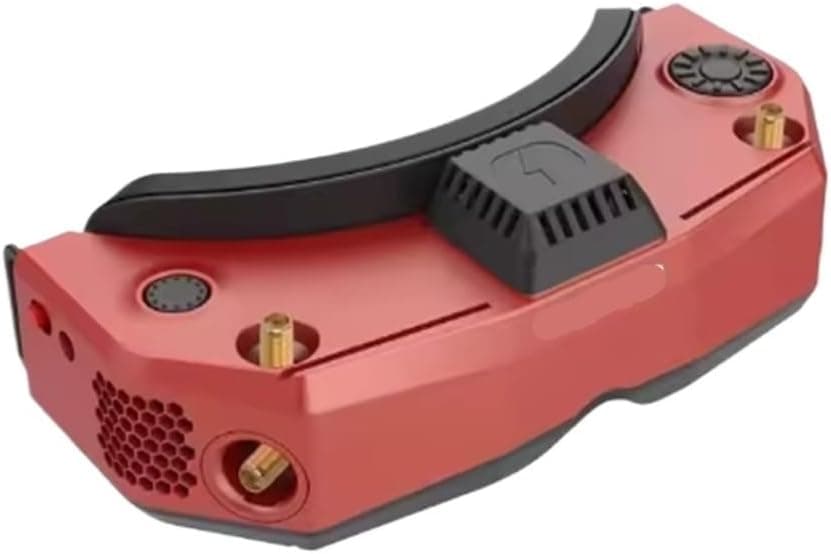
HDZero Goggle 2 digital FPV goggles with analog HDMI video input, built for low latency HDZero racing pilots.
Price range: See on Amazon
What we liked
- + HDZero is known for very low latency, which racers value on tight tracks
- + Analog video input support means older analog quads still work with the goggles
- + HDMI input lets you use them for simulators and footage review
Trade-offs
- - HDZero image looks less detailed than DJI or Walksnail at the same price
- - Needs HDZero VTXs for digital flying, so existing DJI gear will not pair
Who it is for
HDZero has built its reputation specifically around latency, and the Goggle 2 is aimed squarely at racers and other pilots who prioritize a fast, predictable control feel over the sharpest possible picture. Because the goggles include a built-in analog receiver alongside HDZero digital support, they also suit pilots transitioning a fleet gradually, flying older analog quads on race day and newer HDZero-equipped builds without switching goggles between them. The HDMI input additionally makes the Goggle 2 usable off the field for simulator practice or reviewing DVR footage on a bigger question of convenience rather than core flying use. Pilots chasing the sharpest image for cinematic freestyle footage are less the target audience here than pilots chasing a tight, responsive link for tracks and gates.
Display and latency
The goggles use a pair of 1920x1080 OLED micro displays running at 90Hz, giving a genuinely high resolution panel inside a headset built primarily for speed rather than cinema-grade visuals. HDZero's own glass-to-glass latency for its digital video system lands at roughly 3 milliseconds, with HDMI input latency under 1 millisecond and analog input under 2 milliseconds, figures that are near the front of the pack for any digital FPV system currently available. Field of view sits at 46 degrees with adjustable diopter correction built in, and the optic module is designed to resist dust ingress and keep distortion low across the frame, which matters for pilots who spend long race days looking through the same optics repeatedly.
Video inputs
Beyond HDZero digital signal, the Goggle 2 accepts a standard analog 3.5mm AV input with a built-in analog receiver, meaning older analog video transmitters still work without an external analog module bolted onto the goggles. HDMI input and output round out the connectivity, useful for both simulator play and for outputting the goggle feed to an external screen or capture device for spectators or footage review. A combo headphone and microphone jack, integrated WiFi for streaming or mirroring, and built-in H.265 DVR recording round out a feature set aimed at pilots who want one headset to cover racing, casual flying, and reviewing footage afterward without swapping hardware.
Where it trails rivals
The tradeoff for HDZero's latency focus is image quality that several independent reviews describe as noticeably softer and less detailed than DJI's O3 or O4 systems or Walksnail's Avatar HD line at similar price points, particularly in lower light or at longer range where compression artifacts become more visible. HDZero also requires HDZero-specific video transmitters to get the digital benefits at all, so a pilot's existing DJI or Walksnail-equipped quads will not connect to the digital side of these goggles, only their analog input works with that gear. That means committing to the Goggle 2 as a primary headset generally means committing to HDZero VTXs across a fleet, which is a bigger investment than just buying goggles alone.
Bottom line
For a racer who has decided that latency matters more than raw image sharpness, and who is prepared to fly HDZero video transmitters to get the full benefit, the Goggle 2 delivers on its core promise with genuinely class-leading response time and a thoughtful set of inputs that keep older analog gear usable too. Pilots chasing the crispest picture for freestyle cinematography, or who already have a DJI or Walksnail fleet and do not want to switch VTX ecosystems, are better served elsewhere. The built-in analog receiver is what keeps this headset flexible for a mixed fleet rather than locking a buyer entirely into one video standard from day one.
Frequently asked questions
What is the latency on the HDZero Goggle 2?
HDZero digital video runs at roughly 3 milliseconds glass-to-glass, with HDMI input under 1 millisecond and analog input under 2 milliseconds.
Will the HDZero Goggle 2 work with DJI or Walksnail video transmitters?
Only through the analog input if those systems are set to analog output; the digital HDZero link only works with HDZero-specific video transmitters.
Can I use analog quads with the HDZero Goggle 2?
Yes, the goggles have a built-in analog receiver and 3.5mm AV input, so existing analog video transmitters work without an extra module.
What is the screen resolution and refresh rate?
The goggles use dual 1920x1080 OLED micro displays running at 90Hz with a 46 degree field of view.
Prices change often, so check the current price and availability on Amazon.
Check price on AmazonDrone FPV Lab may earn a commission from the link above.