FOXEER Lollipop FPV U.FL Antenna 5.8G 2.3dBi Super Mini RHCP UFL Review (2026)
Updated September 14, 2026 · Research-based review
Our verdict
The FOXEER Lollipop U.FL is built for tiny whoops and micro quads where every gram counts, not for long range flying. Pick it if your VTX has a U.FL pad and you want a light RHCP upgrade over a stock wire antenna, and expect to treat the connector gently.
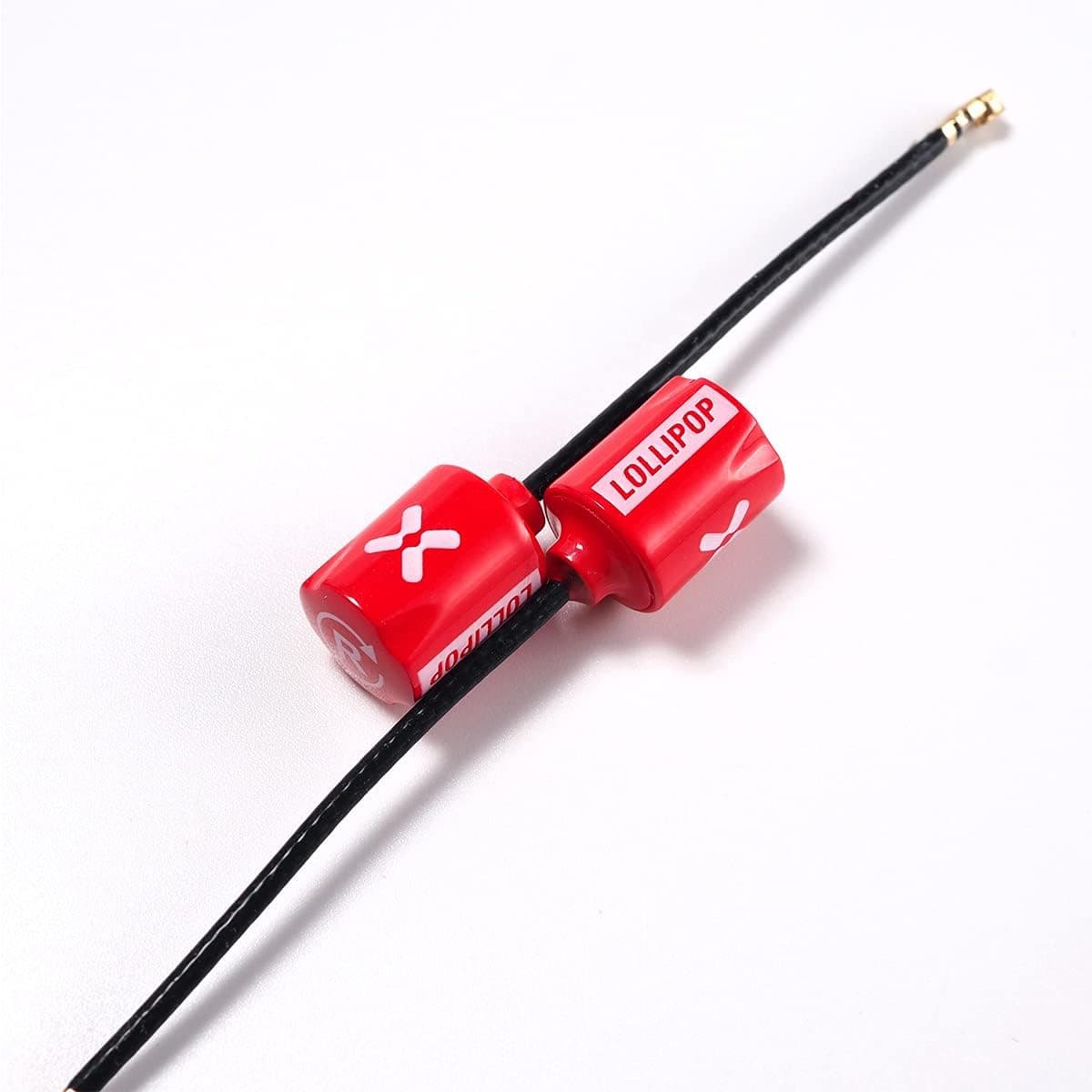
FOXEER Lollipop U.FL super mini 5.8G antenna, 2.3dBi RHCP for tiny whoops and micro quads with UFL VTXs.
Price range: See on Amazon
What we liked
- + Super mini size adds almost no weight, which matters on tiny whoops
- + U.FL connector plugs straight into micro VTX boards
- + RHCP matches standard goggle antennas for a clean link
Trade-offs
- - U.FL connectors are fragile and can pop off in crashes
- - 2.3dBi gain is low, so range is limited to small spaces
Who this antenna is for
This is a purpose built micro antenna for tiny whoops and other small FPV builds that run a U.FL connector on the video transmitter instead of the larger SMA or RP-SMA sockets found on bigger quads. Pilots flying 65mm to 3 inch frames indoors or in tight backyards are the main audience, since the whole point of the Lollipop line is shaving weight off a build where a few grams change how the quad flies. If your VTX uses SMA or RP-SMA, this is the wrong antenna, and you should look at a full size clover or pagoda style instead. Anyone chasing maximum range on a 5 inch freestyle or racing quad should also skip it, since the mini form factor trades reach for size.
Specs and design in plain English
The listing states a 5.8GHz center frequency, RHCP polarization, and a claimed 2.3dBi gain with a U.FL connector and roughly 65mm of overall length, according to the Amazon product page. RHCP is the standard polarization used by most analog FPV goggles and receiver antennas, so it pairs cleanly with typical goggle setups without a polarization mismatch. The super mini shell keeps weight low, which is the entire reason this antenna exists rather than a full size clover leaf. Gain in the low 2dBi range is modest by antenna standards, so this is a antenna built around size and weight rather than raw signal reach, and buyers should treat it as a fit upgrade for micro builds, not a range booster.
Installing it and flying with it
Mounting is straightforward since the U.FL connector simply presses onto the matching pad on the VTX board, and most tiny whoop frames have a small canopy slot or zip tie point designed for a mini omni antenna like this one. Because U.FL is a friction fit connector rather than a threaded one, it is worth routing the antenna cable so it is not the first thing that takes an impact in a crash, and some pilots add a small dab of hot glue at the base once positioning is confirmed. Day to day use is simple: plug in, route the cable along the frame arm, and fly. There is no tuning or adjustment needed once it is seated correctly on the pad.
Trade-offs and how it compares
Against the AKK LR2 and Foxeer Pagoda, both SMA style antennas with roughly 5dBi of gain aimed at bigger quads, this Lollipop gives up range and durability for a fraction of the weight and a connector that fits micro VTX boards. Compared with the 2pcs Foxeer Lollipop 2.5dBi stubby SMA version built for goggles, this U.FL model is meant for the aircraft side of the link rather than the headset side, so the two are not interchangeable despite the shared Lollipop name. The main real trade-off inside the U.FL category itself is connector fragility, since U.FL pads can lift or the cable can pop free after a hard crash, which is the most common complaint pilots raise about this connector style in general.
Verdict and who should look elsewhere
For a tiny whoop or micro quad running a U.FL equipped VTX, this Foxeer Lollipop is a sensible, low weight RHCP replacement for a stock wire antenna, and the brand has a solid track record in the FPV antenna space. Pilots who want more range on a freestyle or racing build should choose a higher gain SMA or RP-SMA clover leaf or pagoda style antenna instead, since this super mini form factor was never designed to compete on distance. Anyone rough on gear or prone to hard crashes should also budget for spares, since the U.FL connector is the known weak point across this entire antenna category, not just this specific model.
Frequently asked questions
Will this antenna fit a VTX with an SMA connector?
No. This model uses a U.FL connector that presses onto a matching pad, so it only works with video transmitters built for U.FL, not SMA or RP-SMA sockets.
Is 2.3dBi enough gain for outdoor flying?
It works fine for the short range, tight space flying that tiny whoops are typically used for, but it is not the right choice if you want maximum range on a larger freestyle quad.
Does the polarization match standard FPV goggles?
Yes, it is RHCP, which is the polarization used by most stock and aftermarket goggle antennas, so it should pair cleanly without a mismatch.
Prices change often, so check the current price and availability on Amazon.
Check price on AmazonDrone FPV Lab may earn a commission from the link above.