Foxeer FPV Antenna 5.8GHz Pagoda RHCP Omnidirectional TX/RX RP-SMA Review (2026)
Updated September 14, 2026 · Research-based review
Our verdict
The Foxeer Pagoda is a dependable 5.8GHz RHCP antenna for pilots who fly freestyle and want an even omnidirectional signal instead of a directional patch. Its RP-SMA connector fits goggles and video transmitters that use that standard, but its taller pagoda shape snags more easily in crashes than a stubby antenna.
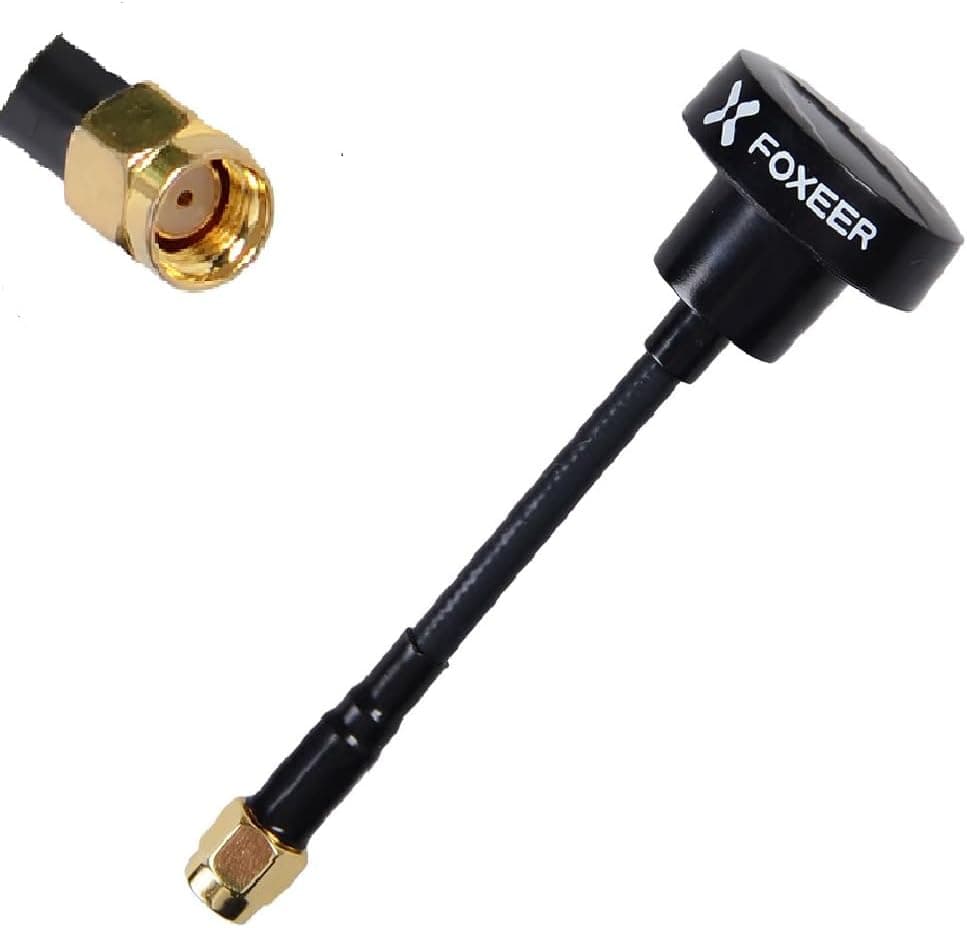
Foxeer Pagoda 5.8GHz RHCP omnidirectional FPV antenna with an RP-SMA connector for TX or RX use.
Price range: See on Amazon
What we liked
- + Pagoda design is known for clean, even signal patterns in all directions
- + Foxeer build quality is dependable for repeated crashes
- + Omnidirectional coverage suits freestyle flights that move around you
Trade-offs
- - RP-SMA connector needs an adapter on SMA-equipped goggles or VTXs
- - Pagoda style is taller than stubby antennas, so it can snag in crashes
Who should put this on their setup
This antenna is built for RHCP pilots flying freestyle or general line of sight FPV, where the aircraft can face any direction relative to the goggles or ground station at any moment. The pagoda shape is a long standing FPV antenna design prized for its even, consistent radiation pattern in every direction, which matters more than raw gain when you are chasing a quad through unpredictable flight paths rather than flying in a straight line. Race pilots who fly toward and away from the pits in a fairly fixed pattern often prefer a directional patch antenna instead, so this is not the right pick for a dedicated race day setup. Anyone replacing a stock antenna on goggles or a video transmitter that uses RP-SMA, and who wants a known, repeatable FPV antenna style rather than an unfamiliar shape, is the clearest fit here.
What the pagoda design and RP-SMA connector mean in practice
RHCP, or right hand circular polarization, is the standard most analog FPV video transmitters and receivers use, and this antenna is built specifically for that polarization rather than the linear antennas found on cheaper stock gear. The pagoda shape uses a stacked, cloverleaf-style radiator inside a rounded housing that gives a genuinely omnidirectional pattern, so signal strength should not drop off sharply as the aircraft banks or turns away from the pilot. This particular listing uses an RP-SMA connector, which is the reverse polarity variant of standard SMA. It is worth checking your goggles or transmitter port before ordering, since RP-SMA and SMA look similar but are not interchangeable without an adapter, and mismatching connectors is one of the most common mistakes new FPV pilots make when buying a first replacement antenna.
Living with it through crashes and daily flying
Screwing on a pagoda antenna is a two minute job for anyone who has swapped FPV gear before, no soldering required since it threads directly onto a matching RP-SMA port. In daily use, the main thing to watch is orientation, since circularly polarized antennas need to be mounted so the antenna body clears props and the frame rather than getting pinched during a hard landing. The taller pagoda profile is a known weak point compared with stubby antennas, catching on grass, branches, or a crash pad more easily simply because it sticks up further from the goggles or aircraft. Owners commonly protect a pagoda antenna on the aircraft side with a piece of foam or a printed guard, and it is worth keeping a spare in a flight bag since a crushed or bent antenna degrades signal quality noticeably before it fails outright.
How it stacks up against other FPV antennas
Against the TrueRC Singularity Stubby, which trades some of the pagoda's height for a shorter, more crash resistant profile, this Foxeer antenna gives up some durability in exchange for the pagoda shape's long reputation for a clean radiation pattern. Compared with the AKK four leaf clover antennas, both designs aim for a similarly even RHCP pattern, and the choice mostly comes down to connector type, exact gain, and personal preference rather than one being clearly superior. Foxeer's own Lollipop stubby antenna is the closer in-house alternative for pilots who want a shorter, tougher shape while staying with the same brand and RP-SMA fitment. None of these rivals change the core trade-off: taller pagoda-style antennas favor signal consistency, while stubby antennas favor surviving crashes.
Verdict and when to pick a different antenna
Our score of 7.8 out of 10 reflects a solid, reliable RHCP antenna from a trusted FPV brand, well suited to freestyle flying where an even signal in every direction matters more than a compact shape. It is worth buying for anyone upgrading from a stock linear antenna on RP-SMA goggles or a video transmitter, and the Foxeer name carries a real reputation for consistent build quality after repeated crashes. Pilots who fly mostly race courses with a predictable line of sight to the pits should look at a directional patch antenna instead, and anyone especially worried about snagging on crashes may prefer a stubby design like the TrueRC Singularity or Foxeer's own Lollipop antenna over this taller pagoda shape.
Frequently asked questions
Does this antenna work with SMA connectors or only RP-SMA?
This listing is the RP-SMA version, so it will not thread onto a standard SMA port without an adapter. Check your goggles or video transmitter's connector type before ordering.
Is a pagoda antenna better than a stubby antenna?
Pagoda antennas are known for an even, consistent omnidirectional signal, which suits freestyle flying, while stubby antennas trade some signal consistency for a shorter profile that survives crashes better.
Can I use this antenna for both transmitting and receiving?
Yes, the listing describes it as suitable for TX/RX use, so it can go on a video transmitter or on FPV goggles as long as the connector matches.
Does the pagoda shape make it more likely to break in a crash?
Its taller profile compared with stubby antennas does make it more prone to snagging on grass, branches, or hard landings, so many pilots add foam or a printed guard for protection.
Prices change often, so check the current price and availability on Amazon.
Check price on AmazonDrone FPV Lab may earn a commission from the link above.