AERO SELFIE 45A 4in1 ESC 2-6S BL_S 30x30 for FPV Freestyle Racing Drones Review (2026)
Updated September 14, 2026 · Research-based review
Our verdict
The AERO SELFIE 45A 4in1 ESC is a straightforward 30x30 stack ESC for 2 to 6S freestyle builds. It handles common freestyle motor draw with room to spare, but the brand is new to FPV, so buyers who want a long track record should look at an established name first.
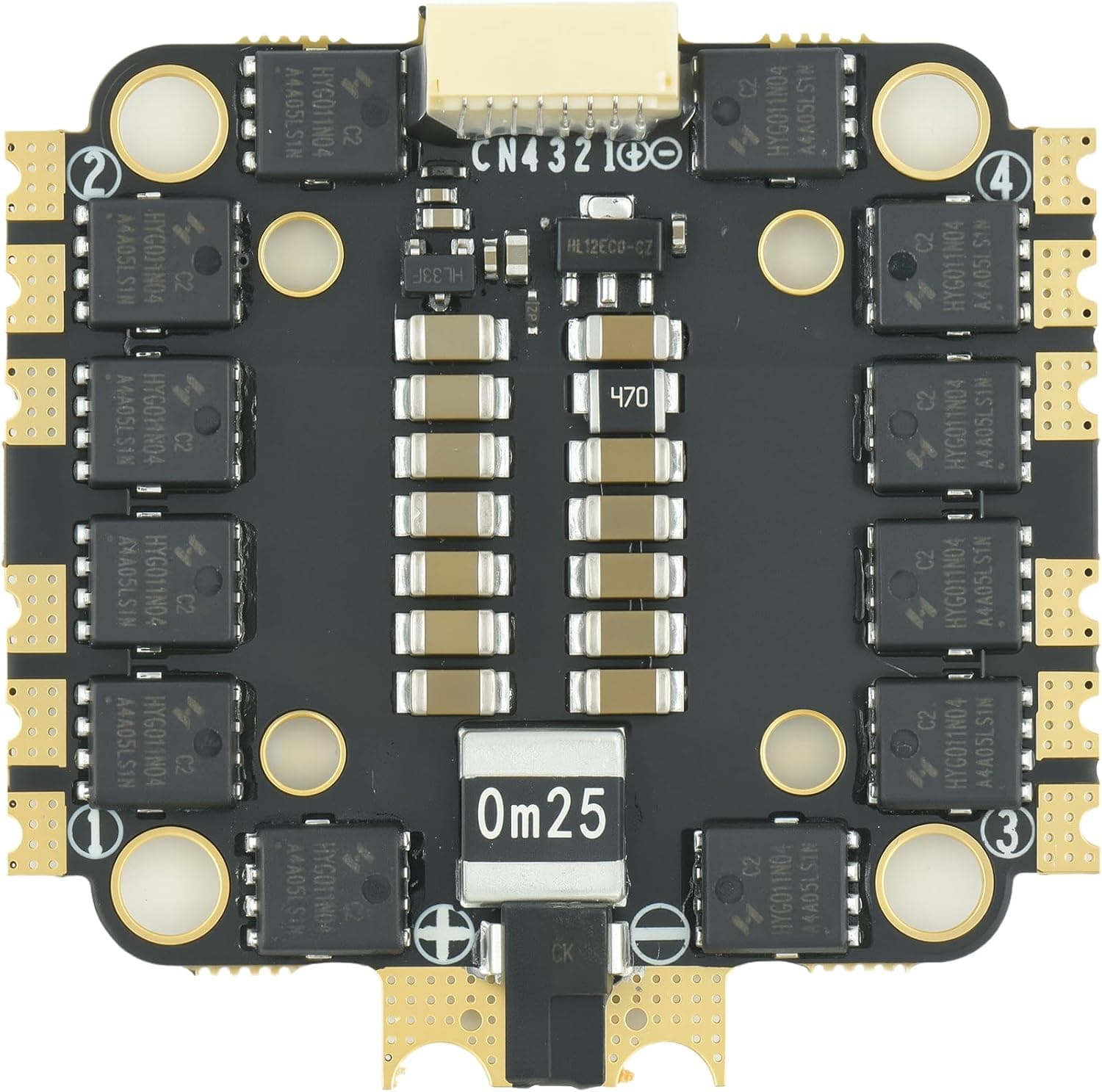
AERO SELFIE 45A 4in1 ESC for 2-6S batteries with BL_S firmware in a 30x30 size for FPV freestyle racing drones.
Price range: $ (Budget)
What we liked
- + 30x30 size fits standard freestyle stacks and frames
- + 45A capacity handles common freestyle motor setups
- + BL_S firmware is compatible with Betaflight flight controllers
Trade-offs
- - AERO SELFIE brand has a limited FPV reputation
- - 30x30 mounting will not fit smaller micro frames
Who should put this ESC on their stack
This is a 30x30 mount 4in1 ESC aimed at builders putting together a 5 inch freestyle quad from parts rather than buying a ready to fly model. It suits pilots who already know how to solder a stack together and just need a solid, mid priced ESC layer between the flight controller and the motors. Because it accepts 2 to 6S packs, the same board can carry a build from a lighter 4S park flyer through to a punchier 6S freestyle rig, which is useful if you swap battery chemistry between seasons or as you upgrade. It is not aimed at total beginners buying their first components, since there is no bundled flight controller or documentation ecosystem behind the AERO SELFIE name the way there is with larger brands, so some self guided setup in Betaflight should be expected.
What the specs mean in practice
The listing states a 6V to 28V input, which lines up with 2S to 6S lithium batteries, and a continuous 45A rating per channel with a 55A surge tolerated for short bursts, enough headroom for popular 2207 to 2306 freestyle motors under hard throttle. BL_S in the name points to BLHeli_S firmware, the same family used across most budget and midrange 4in1 ESCs, so flashing and configuring it works the same way it does on other Betaflight capable boards. It supports PWM, DSHOT and Oneshot protocols, covering the receiver and flight controller combinations most builders already use. At roughly 12.5g, it adds little weight to a freestyle frame, and the 30x30 mounting pattern matches the current standard stack size rather than an older nonstandard layout.
Building and living with the board
Because this is a bare 4in1 ESC rather than a full stack, setup means soldering it to a matching 30x30 flight controller and then to four motors, so basic iron skills and a stable soldering station make the job much easier. AERO SELFIE sells its own flight controller and stack combinations through its own storefront, which suggests the brand is building out a fuller FPV lineup rather than being a one off listing, a reasonable sign for future firmware support. Day to day, an ESC in this class needs the usual care: keep the mounting bolts snug with grommets to damp vibration, avoid pinching the wiring against the frame arms, and reflash or update firmware through Betaflight if a motor stutters at high throttle rather than assuming the hardware has failed.
Where it falls short of the class leaders
The site's own score puts this ESC mid pack among the ESCs it has reviewed, and the specs explain why. The iFlight SucceX-E 45A V2 is a longer established board from a brand with years of FPV specific manufacturing behind it and a wider base of user feedback, which matters when you need a fast answer to a wiring or firmware question. The SPARKHOBBY 45 or 60A 4in1 is priced similarly but is rated higher on the same current class. Neither rival changes the core electrical specs much, so the gap here is mostly about brand track record and community support rather than raw performance, and that gap narrows the more comfortable you already are with BLHeli_S ESCs in general.
Verdict for freestyle builders
Treat this as a budget conscious way to fill the ESC slot on a 30x30 freestyle stack when you already know how to solder and flash firmware yourself. The voltage range, current rating and protocol support cover what a typical 5 inch freestyle build needs, and the light weight keeps it out of the way on a punchy quad. Pilots who want a brand with a longer FPV history, more third party guides, or bundled support should lean toward the iFlight or SPARKHOBBY alternatives instead, especially for a first scratch build where troubleshooting help matters more than saving a little weight or a few dollars on the ESC alone.
Frequently asked questions
What battery range does this ESC support?
The listed 6V to 28V input covers 2S through 6S lithium batteries, so it works across most freestyle voltage classes.
Does it use BLHeli_S or BLHeli_32 firmware?
The BL_S designation points to BLHeli_S firmware, the same family used on most budget and midrange 4in1 ESCs.
Will it fit a standard freestyle stack?
Yes, it uses the 30x30 mounting pattern that matches current freestyle flight controllers, not an older nonstandard size.
Is this ESC good for a first scratch build?
It works, but builders new to soldering and Betaflight may prefer a longer established brand with more community troubleshooting available.
Prices change often, so check the current price and availability on Amazon.
Check price on AmazonDrone FPV Lab may earn a commission from the link above.