C-20T 3-Axis FPV Camera Gimbal Pan Tilt Head Tracking UART PWM for DJI O3 O4 PRO (O4 PRO) Review (2026)
Updated September 21, 2026 · Research-based review
Our verdict
This C-20T O4 PRO gimbal suits pilots on DJI's newest digital system who want head tracking with a stabilized camera rather than a fixed mount. The 3-axis motion and UART or PWM control give flexible wiring options, but the added weight and O4 PRO only camera fit mean it is best suited to larger frames built around that specific module.
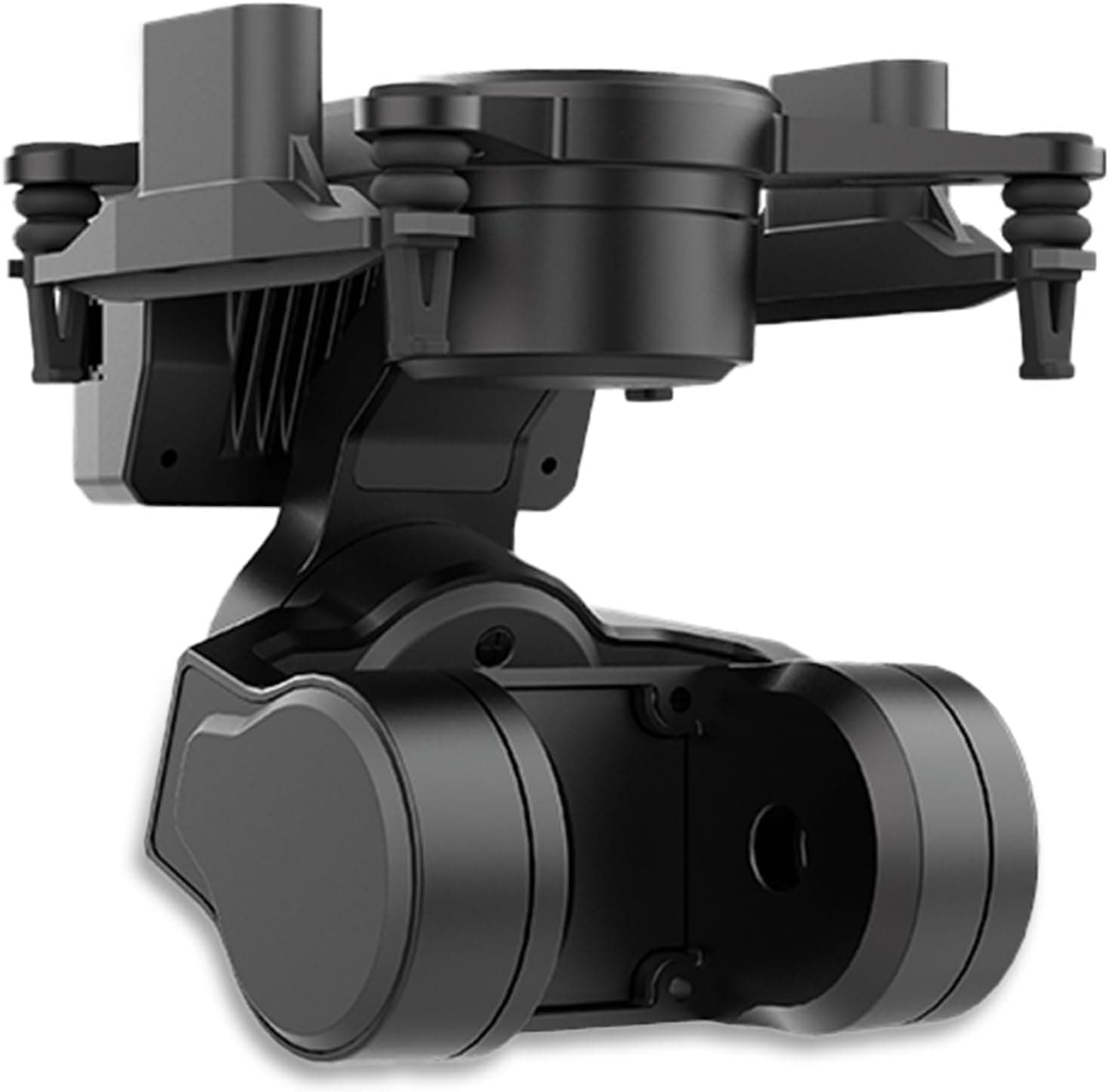
C-20T 3-axis FPV camera gimbal with pan-tilt head tracking via UART or PWM, the O4 PRO version for DJI digital pilots.
Price range: See on Amazon
What we liked
- + O4 PRO version matches DJI's newest camera module for high-quality video
- + 3-axis stabilization smooths footage while following head movement
- + UART or PWM control gives flexible wiring options
Trade-offs
- - Only the O4 PRO camera fits this version, so other cameras need a different kit
- - Gimbal weight suits larger frames rather than small whoops
What the C-20T does
The C-20T is a 3-axis gimbal built specifically for head tracking, meaning it takes pan and tilt input from a headtracker worn by the pilot and moves the camera to match, giving a first person view that follows head movement rather than staying fixed to the frame. This is different from a simple stabilized camera mount, since the motorized pan and tilt axes actively respond to control input in real time rather than only correcting for vibration. The listed angular accuracy is rated at 0.005 degrees, and the gimbal supports pitch, roll, and yaw movement across a wide range, which lets the camera track a meaningful portion of the pilot's natural head motion rather than a narrow slice of it.
O4 PRO compatibility
This specific version is built for DJI's O4 PRO camera module, matching the mounting and wiring needed for that newer digital air unit rather than the earlier O3 system. Because the fit is module specific, this version will not accept an O3 or standard analog camera without a different C-20T variant, so builders need to confirm which DJI hardware they are running before ordering. The gimbal supports control over UART or PWM, giving flexibility for how it integrates with a flight controller or head tracking receiver depending on what protocol the rest of the build uses. This flexibility in control protocol is a genuine advantage for builders mixing hardware from different sources rather than sticking to one closed ecosystem.
Weight and frame fit
The gimbal itself weighs about 46 grams before the camera is mounted, and the O4 PRO module adds further weight on top of that, which puts the combined package well beyond what a small whoop or lightweight 3 inch frame can comfortably carry. Builders working on 5 inch freestyle or cinematic frames with some payload margin are the more realistic target for this hardware, since those frames typically have both the physical space and thrust to spare for a gimbal and digital camera combination. Operating voltage runs from roughly 7 to 26 volts DC, which covers the range of typical FPV battery setups from 2S up through 6S without needing a separate regulator in most builds.
Range of motion and control feel
Pitch range is rated at roughly 120 degrees in one direction and up to 145 degrees in the other depending on the exact specification sheet referenced, with yaw rotation rated around 160 to 165 degrees, giving a wide field of view coverage as the pilot looks around during flight. Maximum controllable speed is listed at up to 1500 degrees per second, which is fast enough to keep pace with quick head movements without noticeable lag between the pilot's motion and the camera catching up. This level of range and speed is what separates a dedicated head tracking gimbal like this from a simple 2-axis stabilizer, since the wider yaw travel in particular lets a pilot look further to the sides than a fixed or lightly adjustable camera mount would allow.
Who should buy this version
This O4 PRO version makes sense specifically for pilots already running or planning to build around DJI's O4 PRO digital system who want immersive head tracking rather than a static camera angle. Anyone running the older O3 system or a Walksnail digital setup needs a different C-20T variant matched to that hardware, since the mount and connector layout differ between versions even though the core gimbal mechanics are similar. The added weight and the need for a frame with enough payload capacity are the main practical trade offs against the more immersive flying experience this hardware provides. For cinematic and freestyle flying where looking around naturally adds to the experience, this is a purpose built solution rather than a general accessory every build needs.
Frequently asked questions
Does this gimbal work with the DJI O3 system?
No, this listing is the O4 PRO version built specifically for DJI's O4 PRO camera module, so a different C-20T variant is needed for O3 or analog cameras.
How much does the C-20T gimbal weigh?
The gimbal itself weighs about 46 grams before the camera module is mounted, which adds further weight on top of that.
What control protocols does it support?
It supports both UART and PWM control, giving flexibility depending on what your flight controller or head tracking receiver uses.
Will this fit on a small frame?
It is better suited to 5 inch freestyle or cinematic frames with payload margin, since the combined gimbal and O4 PRO camera weight is too much for small whoop or lightweight frames.
Prices change often, so check the current price and availability on Amazon.
Check price on AmazonDrone FPV Lab may earn a commission from the link above.