2pcs FOXEER FPV Antenna Lollipop 5.8GHz RHCP 2.5Dbi Stubby SMA for Goggles Review (2026)
Updated September 14, 2026 · Research-based review
Our verdict
A pair of light, stubby 5.8GHz antennas built for goggles rather than the quad. The RHCP polarization matches what most FPV drones transmit, and the compact lollipop shape keeps a headset low profile, but the modest gain and SMA only connector mean checking your goggle hardware before ordering.
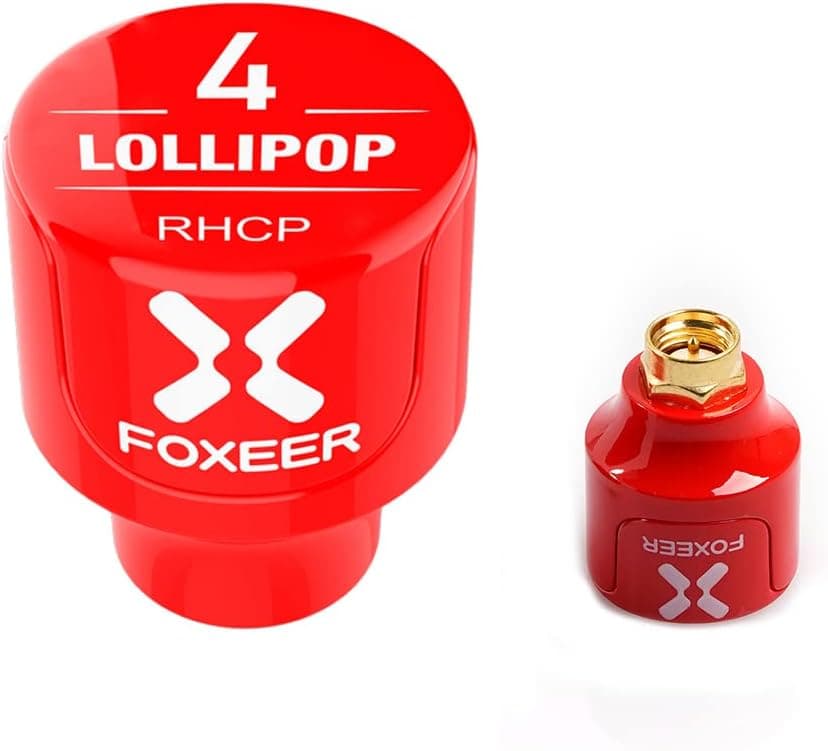
2pcs FOXEER Lollipop 5.8GHz RHCP stubby antennas, 2.5Dbi with SMA connectors, designed to sit neatly on goggles.
Price range: See on Amazon
What we liked
- + Stubby Lollipop design keeps the headset low profile and light
- + Pack of 2 covers diversity goggles without buying twice
- + RHCP matches the most common quad antenna polarization
Trade-offs
- - 2.5Dbi gain is modest, so they are not built for long range goggles
- - SMA connector will not fit RP-SMA goggles without an adapter
Built specifically for goggles, not the aircraft
This listing bundles two Foxeer Lollipop style antennas designed to mount on FPV goggles rather than on the quadcopter itself, which matters because goggle antennas prioritize a compact, low profile shape over raw gain. According to the manufacturer, each antenna measures about 65mm with an 11mm diameter body and weighs around 4.7 grams with the SMA connector fitted, light enough that a diversity goggle setup with two of them barely adds noticeable weight or drag on the headset. The stubby form factor also avoids the long whip antennas catching on straps or foam padding during a flying session. Buyers should treat this as a goggle side receive antenna pair, and pair it with a separate transmit antenna on the aircraft rather than expecting one set to cover both ends of the link.
Polarization, gain and connector fit
The antennas use right hand circular polarization, commonly written RHCP, which is the standard most analog FPV video transmitters ship with, so this pairing avoids the signal loss that happens when transmit and receive polarization do not match. Rated gain is 2.5dBi with the manufacturer's specification sheet showing a center frequency around 5.7GHz across a 5.5 to 6.0GHz range, an SWR close to 1.06 at center frequency, and radiation efficiency around 98 percent, numbers that point to a well tuned antenna for its size class rather than a stretched budget part. The connector is a fixed SMA male fitting. Anyone whose goggles use the more common RP-SMA connector on FPV gear will need an adapter, so checking connector gender and type on your specific goggles before ordering avoids a returned package.
Everyday use and durability
The case is molded from PC plus ABS plastic over an RG178 coaxial cable, a combination chosen for flexibility and light weight rather than maximum ruggedness, which suits a part that mostly stays clipped to a stationary goggle rather than crashing into trees like the antenna on the aircraft. Because two antennas are included in the package, the set is ready for diversity goggle modules that blend the strongest of two received signals for a more stable image, rather than needing a second purchase to complete the pair. Owners of single antenna goggles will simply have a spare on hand. The short stubby shape also means less flex fatigue at the connector base over time compared with a long flexible whip antenna, since there is less leverage working against the solder joint during handling.
How it stacks up against other FPV antennas
Within a broader antenna lineup this pair lands in the middle of the pack, behind higher gain, longer range options built for pushing distance on the aircraft side, and roughly matching other compact goggle focused stubby antennas from rival brands. The tradeoff is straightforward, more gain generally means a longer antenna that is less comfortable clipped to a headset, so this product is not trying to compete on outright range and should not be judged that way. Pilots flying tight courses, indoor spaces or backyard sessions where distance is not the limiting factor will find the size and RHCP match more valuable than a few extra dBi. Anyone chasing maximum range for open field or mountain flying should look toward the higher gain, longer bodied antennas rated further up the same comparison.
Verdict and who should pick a different antenna
This pair suits FPV pilots who want a comfortable, low profile antenna on their goggles that correctly matches the RHCP polarization most quads transmit, without adding bulk or weight to the headset. The specification numbers, an SWR close to 1.06 and high radiation efficiency, suggest a competently engineered small antenna rather than a corner cut budget part. Buyers should confirm their goggles use SMA rather than RP-SMA connectors first, since no adapter is included. Pilots who need to push range for long distance or mountain flying, or whose goggles use LHCP video receivers, should look toward a higher gain or differently polarized antenna elsewhere in the lineup instead of expecting this stubby pair to stretch further than its size allows.
Frequently asked questions
Will these fit RP-SMA goggles?
No, the connector is SMA male. RP-SMA goggles, which are common on many FPV headsets, need a separate adapter that is not included in this package.
Are these meant for the drone or the goggles?
They are designed as compact goggle antennas. Pair them with a separate transmit antenna on the aircraft rather than using them on both ends of the link.
What polarization do they use?
Right hand circular polarization, RHCP, which matches the polarization used by most analog FPV video transmitters on quadcopters.
How much do they weigh?
The manufacturer lists about 4.7 grams each with the SMA connector fitted, light enough for a diversity goggle setup without added bulk.
Prices change often, so check the current price and availability on Amazon.
Check price on AmazonDrone FPV Lab may earn a commission from the link above.